How I Ride the Social Spending Wave Without Blowing My Budget
You’re not alone if you’ve ever felt pressure to spend just to keep up—dining out, gifting, networking. I used to burn cash on social habits that looked good but hurt my wallet. Then I shifted my mindset: what if social consumption isn’t just an expense, but part of a smarter investment cycle? This is how I turned everyday social spending into a strategy that builds value, manages risk, and actually supports my financial growth—without the guilt or financial hangover.
The Hidden Cost of Looking Like You’re Winning
Social spending often wears the mask of freedom, fun, or even professionalism, but beneath the surface, it can carry a heavy financial toll. For years, I treated meals at trendy restaurants, last-minute weekend getaways, and generous holiday gifts as normal parts of adult life. I told myself I was investing in relationships or rewarding hard work. But when I began tracking my monthly expenses, the numbers told a different story. Over 30% of my discretionary income was going toward activities designed to project success rather than create it. This wasn’t lifestyle—it was performance, and it came with a price tag I could no longer ignore.
The real danger of social consumption lies in its invisibility. Unlike a mortgage or a car payment, these expenses don’t appear on a bill. They’re spontaneous, socially reinforced, and often justified in the moment. A colleague invites you to lunch at a high-end bistro—you don’t want to seem cheap. A friend’s birthday party has a dress code—you feel compelled to buy something new. These micro-decisions, repeated over time, compound like interest on a loan you never meant to take out. The cost isn’t just financial; it’s psychological. Each purchase tied to social approval chips away at your sense of financial autonomy.
What changed for me was recognizing that social spending, when unchecked, operates like a silent tax on future goals. That $150 dinner might seem harmless, but when repeated weekly, it amounts to over $7,800 a year—enough to fund a family vacation, make a significant retirement contribution, or build an emergency cushion. The shift began when I stopped seeing these choices as inevitable and started viewing them as decisions with trade-offs. This awareness didn’t make me antisocial; it made me more intentional. I began asking not just “Can I afford this?” but “Is this the best use of my money right now?” That small change in questioning opened the door to a more strategic approach.
Reframing Social Spending as Strategic Investment
Once I acknowledged the true cost of social consumption, the next step was to redefine it. Instead of seeing every social expense as a loss, I began to ask whether it could serve a dual purpose—building connection while also advancing my personal or professional goals. This wasn’t about justifying every dollar spent, but about aligning spending with intention. The key insight was simple: not all social interactions have equal value, and not all spending is created equal. Some outings strengthen meaningful relationships, while others merely fill time or satisfy momentary social pressure.
I started treating social spending like seed capital. For example, inviting a mentor to coffee wasn’t just a $12 expense—it was an opportunity to gain guidance that could influence my career path. Hosting a small dinner for close friends wasn’t just about food; it was about deepening bonds that provide emotional support during challenging times. Even gift-giving took on new meaning when I focused on thoughtfulness over price. A handmade item or a personalized book often carried more emotional weight than something expensive but impersonal.
This mindset shift didn’t eliminate spending, but it transformed my decision-making process. I began to evaluate each potential social expense through a return-on-investment lens. Would this interaction likely lead to new opportunities, deeper trust, or long-term satisfaction? If the answer was unclear, I paused. Over time, I noticed that the most valuable connections were often built in low-cost or no-cost settings—a walk in the park, a phone call, a shared hobby. The realization was powerful: meaningful engagement doesn’t require high spending, but it does require presence and purpose.
By reframing social spending as investment, I also became more comfortable with setting boundaries. I stopped saying yes to every invitation simply out of obligation. Instead, I asked myself whether the event aligned with my current priorities. This wasn’t about isolation—it was about clarity. The goal wasn’t to withdraw from social life, but to participate more meaningfully. As a result, my relationships grew stronger, not weaker, because they were built on authenticity rather than performance.
Mapping the Investment Cycle in Everyday Choices
Financial growth isn’t only driven by savings accounts or stock portfolios—it can also emerge from how we manage our time and social energy. I began to see my social interactions through the lens of an investment cycle: allocation, growth, and return. Just as a financial investor allocates capital across different assets, I started allocating my social budget—both time and money—across different types of interactions. Some were high-cost but high-potential, like industry conferences or professional networking events. Others were low-cost but consistently rewarding, like weekly calls with a trusted friend or monthly meetups with a book club.
The growth phase of this cycle is where value begins to compound. A casual conversation at a community event might lead to an introduction that opens a new job opportunity. A shared meal with a colleague could result in a collaboration that enhances your professional reputation. These aren’t guaranteed returns, but over time, the odds improve with consistent, thoughtful engagement. I learned that the most valuable returns often come from relationships nurtured over months or years, not from one-off transactions. This long-term view helped me resist the temptation to chase short-term social validation.
I also began to diversify my social portfolio. Just as putting all your money into one stock is risky, relying on a single social circle for all your emotional and professional needs can leave you vulnerable. I expanded into niche communities related to my interests—cooking, personal finance, local volunteering—where connections felt more authentic and less driven by status. These groups offered rich opportunities for mutual support and knowledge exchange without the pressure to spend. Over time, I noticed that the most meaningful returns—referrals, advice, emotional resilience—came from these low-pressure, high-integrity environments.
Tracking this cycle required honesty and reflection. I kept a simple journal noting which interactions left me feeling energized versus drained, and which led to tangible outcomes. This wasn’t about quantifying every moment, but about building awareness. The more I understood my patterns, the better I could allocate my resources. The result was a more balanced, sustainable approach to social life—one that supported both my well-being and my financial goals.
Building Your Social Spending Filter
One of the most effective tools I developed was a personal filter for evaluating social spending. Before committing to any event or purchase, I asked three questions: Does this align with my goals? Does it reflect my values? And does it match my current energy and capacity? This filter wasn’t rigid, but it provided a consistent framework for decision-making. It helped me say no without guilt and yes with confidence.
Saying no was the hardest part at first. Social pressure is real, and the fear of missing out or being seen as ungenerous can be strong. But I learned that most people respect boundaries when they’re communicated with kindness. Instead of ghosting invitations, I offered honest but polite responses: “I can’t make it this time, but I’d love to catch up over coffee soon.” Or, “I’m keeping my budget tight this month, but I’ll send a note to celebrate.” These small shifts preserved relationships without compromising my financial integrity.
I also began to replace high-cost activities with high-value alternatives. Instead of meeting friends at a pricey restaurant, I hosted potlucks where everyone brought a dish. The food was just as enjoyable, the conversation often deeper, and the cost a fraction of dining out. For professional networking, I joined online forums or local meetups that focused on skill-sharing rather than status-display. These changes weren’t about deprivation—they were about redirection. I wasn’t cutting back; I was upgrading to more meaningful experiences.
Another key part of the filter was recognizing emotional triggers. I noticed that I was more likely to overspend socially when I felt insecure, lonely, or stressed. Awareness of this pattern allowed me to address the root cause rather than the symptom. If I was feeling isolated, I reached out for a heartfelt conversation instead of buying a new outfit for an event I didn’t even want to attend. This emotional intelligence became a powerful financial tool, helping me spend less and connect more.
Risk Control: Avoiding the Lifestyle Inflation Trap
One of the quietest but most dangerous financial risks is lifestyle inflation—the gradual increase in spending as income rises. Social environments often accelerate this trend. When a friend buys a new car, you might feel pressure to upgrade yours. When coworkers celebrate at luxury venues, you may feel compelled to keep up. These comparisons are subtle, but their impact is real. I experienced this firsthand when I received a promotion and raise. Instead of saving the extra income, I unconsciously adjusted my spending to match my new “status.” Dinners got fancier, gifts got pricier, and my social calendar filled with higher-cost events.
The danger isn’t in occasional indulgence, but in the slow normalization of higher spending. What starts as a treat becomes an expectation. What was once a luxury becomes a baseline. This cycle erodes financial progress, leaving you with more expenses but no greater sense of fulfillment. To break free, I implemented invisible boundaries—rules I followed without announcing them. I set a fixed monthly limit for discretionary social spending and tracked it like any other budget category. If I went over, I adjusted elsewhere—no exceptions.
I also adopted a 48-hour rule for non-essential social purchases. If I wanted to buy a gift, outfit, or event ticket, I waited two days before committing. This simple pause allowed emotion to settle and logic to return. More than once, I realized I was spending to impress others, not to meet a real need. This delay didn’t eliminate spending, but it reduced impulsive decisions.
Regular check-ins were another safeguard. Every quarter, I reviewed my social spending and asked whether it still served my goals. Had my priorities changed? Were certain relationships still enriching? This practice helped me stay aligned and avoid drifting into habits that no longer fit. By treating social spending as a dynamic part of my financial plan—not a fixed expense—I maintained control without feeling restricted.
Practical Tools for Smarter Social Finance
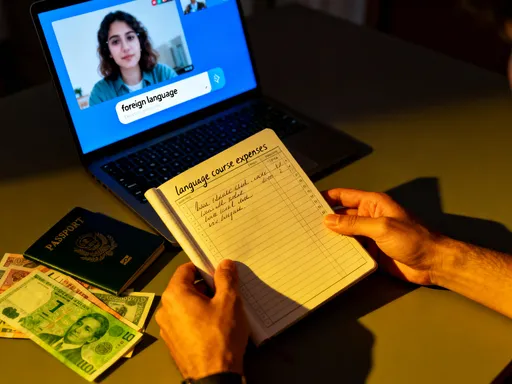
Mindset shifts are important, but systems make them sustainable. I didn’t rely on discipline alone—I built practical tools to support better choices. The first was a simple expense tracker, where I categorized every social outlay: meals, gifts, events, travel, and subscriptions. I didn’t just record the cost; I added a brief note on the outcome. Did the dinner lead to a meaningful conversation? Did the event result in a new connection? Over time, this log revealed patterns I couldn’t see in the moment.
One insight was clear: low-cost interactions often delivered higher emotional and relational returns. A $5 coffee with a friend meant more than a $100 night out with acquaintances. Another was the value of timing—spending during key moments, like supporting someone through a crisis or celebrating a milestone, had lasting impact. This data helped me allocate my budget more wisely, focusing on quality over quantity.
I also adopted the practice of value stacking—combining social time with other productive activities. A walk with a friend became both exercise and connection. A lunch meeting doubled as a business discussion. A family game night replaced screen time with bonding. This didn’t turn every interaction into a transaction, but it maximized the return on time and money invested. I found that when social time served multiple purposes, it felt more fulfilling and less like a trade-off.
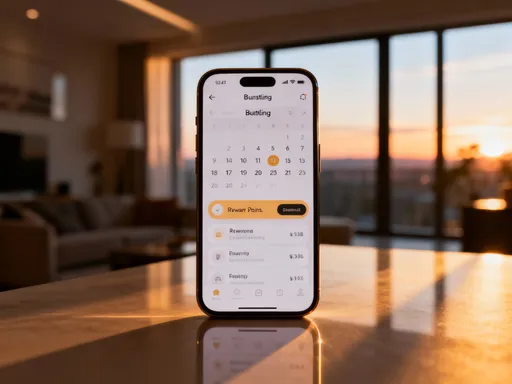
Technology played a supportive role. Budgeting apps helped me monitor spending in real time, while calendar alerts reminded me of upcoming events and budget limits. But the most powerful tool was reflection. I set aside 15 minutes each week to review my social spending and emotional state. Did I feel connected? Energized? Overextended? This habit built self-awareness and prevented small imbalances from becoming larger problems. The goal wasn’t perfection, but progress—consistent, mindful improvement.
From Consumption to Compound Growth
Looking back, the greatest return on my social spending strategy wasn’t measured in dollars saved, though that was significant. It was measured in confidence, clarity, and connection. By aligning my spending with purpose, I stopped feeling guilty about socializing and started feeling empowered. I no longer saw social life as a financial leak, but as a channel for growth. The relationships I nurtured became sources of support, inspiration, and opportunity. The boundaries I set strengthened my self-respect. The awareness I cultivated improved every area of my financial life.
What began as a response to overspending evolved into a holistic approach to financial well-being. I learned that money is not just a tool for survival or comfort—it’s a reflection of values and priorities. When spent with intention, even small social expenses can contribute to long-term wealth, not just in bank accounts, but in life satisfaction. The compounding effect of consistent, thoughtful choices—saying no when needed, investing in high-value relationships, redirecting resources toward what matters—created momentum that grew over time.
This journey wasn’t about cutting out joy or isolating myself. It was about choosing joy more wisely. It was about building a life where financial health and social connection support each other, rather than compete. Today, I still enjoy dinners out, give gifts, and attend events—but now, each choice is deliberate. I spend less, gain more, and feel more in control. That, to me, is the true definition of financial freedom.