How I Smarten Up My Cultural Spending – Real Tools That Work
Ever feel like your concert tickets, museum passes, or art class fees add up too fast? I did too—until I started treating cultural consumption like an investment. By using simple financial tools, I’ve cut costs, boosted value, and still enjoy every experience. This isn’t about skipping fun; it’s about spending smarter. Let me walk you through the real methods that changed my approach—from budgeting to timing to tracking rewards—so you can get more joy without the financial stress. What began as a personal experiment has become a sustainable system that brings both emotional fulfillment and financial peace. The truth is, culture enriches life, but only when it doesn’t come at the cost of security or sleepless nights over bills.
The Hidden Cost of Passion: Why Cultural Spending Gets Out of Control
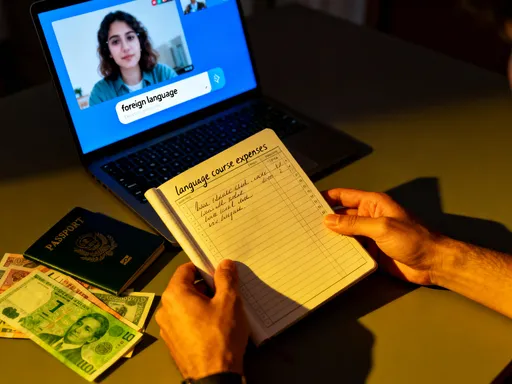
Cultural spending—attending live theater, enrolling in pottery classes, visiting historical sites, or buying tickets to seasonal festivals—often feels different from other types of consumption. It’s not seen as frivolous; in fact, many view it as self-improvement, family enrichment, or community engagement. Because of this perceived value, people tend to justify these expenses more easily than, say, dining out or retail therapy. Yet, this emotional legitimacy can make cultural spending one of the most insidious budget drains. A $45 museum membership here, a $75 weekend workshop there—these amounts seem harmless in isolation. But over time, they accumulate into hundreds, even thousands, of dollars spent annually without deliberate planning. The danger lies not in the spending itself, but in the lack of awareness surrounding it.
Psychologically, humans are wired to assign moral weight to certain purchases. Spending on art, music, or education is often categorized as "good" spending—something that feeds the soul rather than merely satisfying a want. This creates what behavioral economists call "virtue bias," where consumers feel less guilt and therefore exercise less scrutiny. When guilt is low, oversight tends to follow. For example, a mother might hesitate before buying a new handbag but feel completely justified in signing her child up for a summer dance camp—even if the cost is comparable. This isn’t to say such choices are wrong, but they should be made with full financial awareness. Without it, what begins as enrichment can evolve into strain, especially when unexpected expenses arise elsewhere in the household budget.
The concept of *value leakage* helps explain this phenomenon. Value leakage occurs when you pay more than necessary for an experience due to poor timing, lack of research, or inefficient use of available tools. Imagine buying front-row concert tickets at full price when early-bird options were available, or paying for individual museum visits instead of realizing a membership would have paid for itself in just three trips. These aren’t rare occurrences—they are common oversights that erode purchasing power over time. The good news is that this leakage is preventable. With the right systems in place, cultural spending can remain meaningful while becoming far more efficient. It starts with recognizing that passion doesn’t have to come at a premium—and that thoughtful planning enhances, rather than diminishes, the joy of participation.
Budgeting Beyond Basics: Designing a Culture Fund That Works
Most budgeting advice focuses on cutting back—trimming subscriptions, reducing dining out, or delaying big purchases. While these strategies help, they often fail to account for the emotional importance of cultural activities. A more effective approach isn’t reduction, but redirection: creating a dedicated culture fund that aligns with your values and income level. Think of it as a savings envelope, but digital and intentional. Instead of reacting to events as they appear, you proactively allocate a monthly or annual amount toward cultural experiences. This transforms impulsive spending into purposeful investment. The key is not to eliminate enjoyment, but to ensure it happens within a framework that supports long-term financial health.
Start by reviewing your past 12 months of spending on cultural activities. Gather receipts, credit card statements, or app purchase histories related to tickets, classes, memberships, or travel for cultural events. Add them up to get a clear picture of your baseline. Once you know how much you’ve been spending, decide how much you’d like to spend moving forward—ideally an amount that feels generous but sustainable. For many households, this ranges from $50 to $200 per month, depending on family size and income. Divide that annual goal by 12 and set up an automatic transfer to a separate savings account or digital wallet labeled “Culture Fund.” Automation removes the need for constant decision-making and builds consistency over time.
Within your culture fund, it’s helpful to create subcategories. One common method is to distinguish between “core” and “spontaneous” spending. Core expenses are recurring and high-value—like a season pass to a local theater, an annual museum membership, or a recurring art class that brings deep personal satisfaction. These are the foundation of your cultural life and deserve priority funding. Spontaneous expenses include one-time events, pop-up exhibitions, or last-minute concert tickets. These should be funded only after core commitments are secured and only if the budget allows. This tiered approach gives you flexibility without sacrificing control. Some families even use calendar-linked budget alerts that notify them when funds are available for spontaneous purchases, turning impulse into intention.
The psychological benefit of this system is profound. Knowing you have a designated amount set aside reduces anxiety around spending. You no longer feel guilty when buying tickets because you’ve already approved the expense in advance. At the same time, the finite nature of the fund encourages thoughtful choices. When the culture fund is depleted, it’s a signal—not to stop enjoying life, but to pause and plan for the next cycle. This balance between freedom and structure is what makes the culture fund a powerful tool for long-term financial well-being.
Timing Is Everything: Using Calendar Tools to Maximize Value
One of the most overlooked levers in cultural spending is timing. Unlike everyday purchases, cultural events often have dynamic pricing models—early-bird rates, last-minute discounts, seasonal fluctuations, and member-only presales. Yet, most people buy tickets when they hear about an event, not when the price is most favorable. This reactive approach means paying more than necessary for the same experience. By contrast, strategic timing can reduce costs by 30% or more, freeing up funds for additional activities. The difference between spending $80 and $50 on a concert ticket may seem small, but over a year, those savings can add up to a free family outing or even a small vacation.
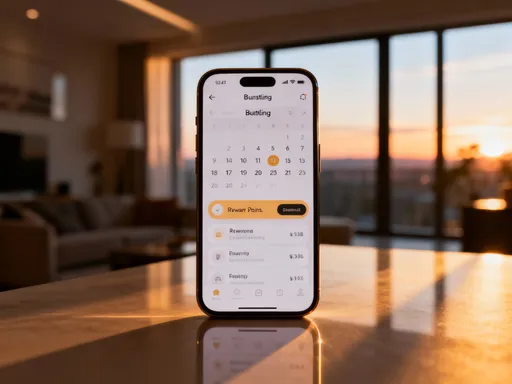
The first step in mastering timing is creating a comprehensive cultural calendar. Begin by identifying all the venues and organizations you regularly support—local theaters, museums, botanical gardens, symphonies, community centers, and educational workshops. Visit their websites and sign up for newsletters to receive advance notice of event schedules. Then, build a shared digital calendar (using tools like Google Calendar or Apple Calendar) where you input all upcoming events of interest. Color-code them by category—performances, classes, exhibitions, travel-based events—and include key details like early-bird deadlines, regular on-sale dates, and final purchase cutoffs. This visual timeline turns scattered opportunities into a structured plan.
With your calendar in place, you can begin to identify optimal purchase windows. Early-bird pricing is one of the most reliable ways to save. Many organizations offer discounted rates for those who commit months in advance, especially for seasonal programs or summer camps. These discounts often range from 15% to 25%, and they serve the dual purpose of helping institutions forecast attendance while rewarding loyal patrons. Another valuable window is the off-season. For example, winter months typically see lower demand for outdoor festivals or garden tours, which means some venues offer promotional pricing or bundled packages to attract visitors. Similarly, weekday performances often cost less than weekend shows and may offer better seating due to lower attendance.
Don’t overlook last-minute deals, either. Platforms like TodayTix or local arts council websites sometimes list unsold tickets at reduced prices within 24 to 48 hours of an event. While this method requires flexibility, it can be ideal for spontaneous weekend plans or date nights. The key is to treat these opportunities as supplements to your planned calendar, not replacements. By combining advance planning with real-time flexibility, you gain access to more experiences at lower costs. Over time, this disciplined approach shifts your relationship with cultural spending from reactive to strategic—ensuring you enjoy more without stretching your budget.
Loyalty and Rewards: Turning Passion into Points
Loyalty programs are everywhere—from grocery stores to airlines—but when it comes to cultural institutions, many people underutilize their potential. Museums, theaters, and performance centers often offer memberships that go beyond simple entry passes. They include benefits like free guest tickets, exclusive previews, discounted merchandise, parking vouchers, and reciprocal access to partner institutions. Yet, too often, these memberships are purchased on impulse or without evaluating their true return on investment (ROI). The smarter approach is to treat cultural memberships like financial assets—tools that generate ongoing value over time.
To assess ROI, start by calculating how often you visit a venue annually. If a museum membership costs $75 and you go four times a year, each visit costs $18.75—significantly less than the $25 general admission. But if you only go twice, you’re paying $37.50 per visit, which defeats the purpose. The break-even point varies by institution, but most memberships pay for themselves in three to five visits. Some even offer family benefits, making them more valuable for households with children. Before renewing, review your usage history. Many venues provide online portals where you can see how many times you’ve scanned in. If your usage is low, consider pausing the membership and switching to single tickets or visiting during free community days instead.
For those who do use memberships frequently, the next step is stacking benefits. This means combining your membership perks with other reward systems to amplify value. One effective method is using a cashback credit card that earns rewards on entertainment or ticket purchases. Some cards offer 3% to 5% back on such categories. When you buy tickets or renew a membership with one of these cards, you earn points or cash that can be applied to future cultural spending. Even better, some banks offer loyalty programs that let you redeem points for ticket purchases through partner platforms. The result is a self-reinforcing cycle: you spend on culture, earn rewards, and use those rewards to fund future experiences—all while staying within your budget.
Another powerful strategy is leveraging institutional partnerships. Many museums and cultural centers belong to networks that offer reciprocal benefits. For example, a membership at one science museum might grant discounted or free entry to dozens of others nationwide. This is especially valuable for families who travel, turning vacation days into educational opportunities without extra cost. Always ask about reciprocity when purchasing or renewing a membership. The information isn’t always advertised, but it’s often available upon request. By combining memberships, credit card rewards, and partner access, you transform cultural consumption from a one-way expense into a multi-layered investment in enrichment and savings.
Digital Tools That Track and Optimize Spending
In the past, tracking spending required spreadsheets, receipts, and manual entry—a process many found too tedious to sustain. Today, a new generation of digital tools automates this work, providing real-time insights with minimal effort. These apps don’t just record transactions; they categorize, analyze, and alert you to patterns in your spending behavior. For cultural spending, which can be irregular and emotionally driven, this level of visibility is essential. Without it, it’s easy to lose sight of how much you’re really spending or where the biggest opportunities for savings lie.
Several user-friendly apps specialize in expense tracking and budgeting, offering features tailored to discretionary spending. They automatically sync with your bank accounts and credit cards, pulling in transactions and assigning them to categories like “Entertainment,” “Education,” or “Travel.” You can customize these categories further, creating a specific label for “Cultural Activities” that includes everything from ballet tickets to photography workshops. Over time, the app generates monthly reports showing how much you’ve spent, where the money went, and how your spending compares to previous months or your set budget. Visual dashboards—graphs, pie charts, trend lines—make it easy to spot patterns, such as a spike in spending during the holiday season or a tendency to overspend at a particular venue.
One of the most valuable features of these tools is proactive alerts. You can set up notifications for when your cultural spending reaches 75% or 90% of your monthly limit, giving you time to adjust before going over. Some apps even send weekly summaries, highlighting your top expenses and suggesting areas for optimization. These gentle nudges keep you accountable without feeling punitive. More advanced platforms use machine learning to predict future spending based on past behavior, helping you plan ahead. For example, if the app notices you typically spend $120 on cultural events in June, it can remind you to allocate funds accordingly in May.
The real power of these tools lies in their ability to turn abstract numbers into actionable insights. Seeing that you spent $400 on concerts last year might not feel significant until you realize that 60% of those tickets were purchased within 72 hours of the event—likely at full price. That data point alone could motivate you to adopt early-bird strategies. Or you might discover that one venue consistently charges more per visit than others, prompting you to explore alternatives. Knowledge is power, and in personal finance, clarity leads to better decisions. By embracing digital tracking, you gain control over your cultural spending—not by restricting joy, but by making it more intentional and sustainable.
Risk Control: Avoiding the Traps of Emotional Spending
Cultural experiences are deeply tied to identity, memory, and emotion. A concert might remind you of your youth, a museum exhibit could connect you to your heritage, and a dance class may represent a long-held dream. These emotional layers make cultural spending particularly vulnerable to impulsive decisions. The fear of missing out (FOMO) is a powerful driver—seeing a friend’s social media post about a sold-out show can trigger an immediate purchase, even if it stretches your budget. Similarly, limited-time offers, “only one seat left” warnings, or peer pressure from family members can override rational decision-making. While spontaneity has its place, unchecked emotional spending can lead to regret, stress, and financial imbalance.
To protect against these pitfalls, it’s essential to build in safeguards. One effective method is a pre-purchase checklist—a short list of questions to ask before committing to any cultural expense. These might include: Is this aligned with my current budget? Will I actually attend, or am I buying out of excitement? Can I wait 48 hours before deciding? Have I checked for discounts or alternative dates? This simple pause creates space between impulse and action, allowing logic to catch up with emotion. Many find that after a cooling-off period, the urgency fades and the decision becomes clearer.
Another valuable tool is peer consultation. Before making a significant cultural purchase—such as a multi-day workshop or a vacation centered around a festival—discuss it with a trusted family member or friend. This doesn’t mean seeking permission, but gaining perspective. A spouse might point out a scheduling conflict, or a sibling might suggest a more affordable alternative. These conversations foster accountability and reduce the likelihood of isolated, emotionally charged decisions. Some families even establish a “cultural spending review” once a quarter, where they discuss upcoming plans, evaluate past experiences, and adjust their budget as needed.
It’s also important to recognize when a hobby or interest has become a financial burden. There’s nothing wrong with collecting rare books, taking advanced art classes, or attending niche performances—but if these pursuits consistently exceed your means, they can undermine overall financial stability. The goal isn’t to eliminate passion, but to align it with reality. This might mean scaling back to a more affordable level, seeking scholarships or community-sponsored programs, or temporarily pausing an activity during tight financial periods. Financial discipline isn’t about denial; it’s about preserving long-term joy by preventing short-term strain. When you protect your budget, you protect your ability to enjoy culture for years to come.
Building a Sustainable Culture Habit: From Expense to Enrichment
At its best, cultural spending is not a cost—it’s an investment in well-being, connection, and personal growth. It exposes us to beauty, ideas, and shared human experiences that money alone cannot measure. But to sustain this enrichment over time, it must be managed with care. The methods outlined in this article—creating a culture fund, mastering timing, leveraging loyalty programs, using digital tracking tools, and controlling emotional impulses—are not about cutting back, but about optimizing. They transform cultural consumption from a source of stress into a source of lasting value.
The journey toward smarter cultural spending doesn’t require perfection. It begins with awareness and grows through small, consistent improvements. Maybe this month, you set up your first automatic transfer to a culture fund. Next month, you compare membership ROI before renewing. Over time, these actions compound, leading to greater financial confidence and deeper enjoyment. You’ll find yourself attending more events, not because you’re spending more, but because you’re spending smarter. You’ll feel less guilt, less anxiety, and more freedom to engage fully in the experiences that matter most.
Ultimately, the goal is balance—honoring both your heart and your wallet. Culture feeds the soul, but security feeds peace of mind. When both are nurtured, life becomes richer in every sense. By treating cultural spending as a deliberate practice rather than a passive habit, you ensure that your passion continues to inspire, educate, and delight—without compromising your financial future. This is not austerity; it’s empowerment. And with the right tools, anyone can turn cultural spending into a lifelong source of joy and wisdom.