Why Cultural Spending Feels Different — And How It Changed My Investment Mindset
What if spending on art, concerts, or travel wasn’t just indulgence—but a smarter way to invest in yourself? I used to see cultural consumption as pure expense. Then I realized it shapes how I think about money. Unlike traditional assets, these experiences build invisible returns: confidence, creativity, clarity. This shift didn’t just improve my happiness—it reshaped my entire investment mindset. Here’s how what you spend on culture can quietly fuel long-term financial wisdom.
The Hidden Value of Cultural Spending
When most people think of investing, they picture stocks, bonds, or real estate—tangible assets with measurable returns. Yet there is another form of investment, less visible but equally powerful: cultural spending. This includes attending live performances, visiting museums, exploring historical landmarks, or engaging with literature and film from different traditions. These activities are often categorized as leisure, but when approached with awareness, they function as developmental investments in personal growth. The returns are not listed on a balance sheet, but they appear in the way you process information, manage emotions, and make decisions—especially financial ones.
Research in behavioral economics suggests that emotional intelligence and cognitive flexibility are strong predictors of sound financial decision-making. Exposure to diverse cultural experiences enhances both. For example, attending a foreign film festival may deepen your understanding of human motivations across societies, while a visit to a history museum can provide context for long-term thinking—both valuable when assessing market trends or evaluating risk. Unlike material purchases, which deliver momentary satisfaction, cultural experiences accumulate value over time. They shape your worldview, refine your judgment, and expand your capacity for empathy, all of which contribute to wiser money management.
Consider the difference between buying a designer handbag and attending a week-long workshop on traditional pottery. One offers status and ownership; the other offers immersion, learning, and connection. The handbag may depreciate in value, but the insights gained from creating something with your hands, understanding craftsmanship, and engaging with a community of artisans can influence your perspective for years. This kind of experiential learning fosters patience and appreciation for process—qualities that align closely with successful long-term investing. The key is recognizing that not all value is monetary. When you begin to see cultural engagement as a form of capital development, your relationship with spending begins to shift.
From Consumption to Capital: Reframing the Mindset
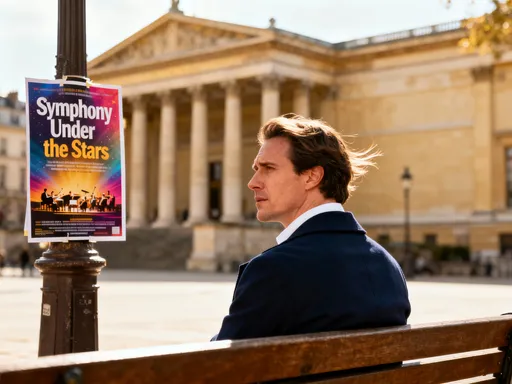
Changing how you view cultural spending starts with a simple but powerful mental shift: from seeing it as consumption to recognizing it as capital formation. In financial terms, capital refers to assets that generate future value. Traditionally, this means money, property, or equipment. But personal capital—skills, knowledge, resilience, creativity—is just as critical. When you attend a symphony, read a classic novel, or travel to a new city, you are not merely spending money; you are investing in your internal resources. These experiences shape the way you think, react, and innovate—abilities that can translate into better financial outcomes over time.
For instance, a woman who regularly attends theater performances may develop a stronger sense of narrative structure and emotional nuance. This sensitivity can improve her ability to assess people, whether in personal relationships or business negotiations. Similarly, someone who explores different cuisines and their cultural roots may become more adaptable and open-minded—traits that support smart decision-making in uncertain markets. These are not abstract benefits. Studies in psychology and neuroscience show that exposure to the arts increases neural connectivity and enhances problem-solving skills. When you reframe cultural activities as cognitive training, they become essential, not optional.
This mindset also helps counterbalance the narrow focus on financial returns that often dominates personal finance advice. Many women in the 30–55 age range juggle multiple roles—caregiver, professional, household manager—and may feel pressure to prioritize practicality over personal enrichment. But long-term financial success depends on more than spreadsheets and savings rates. It requires emotional stability, mental clarity, and the ability to stay calm under pressure. Cultural engagement builds these qualities. By treating a museum membership or a concert ticket as part of a personal development budget, you align your spending with deeper values. This creates a more sustainable and fulfilling approach to wealth building—one that supports both financial health and personal well-being.
Measuring Returns Beyond ROI
One of the biggest challenges in valuing cultural spending is the lack of clear metrics. Unlike a stock portfolio, you can’t check the performance of your latest gallery visit in the morning news. There is no ticker symbol for personal growth. Yet the absence of numbers doesn’t mean the absence of value. In fact, focusing only on measurable returns can lead to poor life choices—like working excessive hours to maximize income while neglecting mental health, relationships, or creativity. These intangible aspects of life ultimately influence financial behavior. A person who is stressed, isolated, or emotionally drained is more likely to make impulsive decisions, avoid long-term planning, or take unnecessary risks.
So how do you assess the return on cultural investment? Start by tracking changes in your inner state. After attending a live performance, ask yourself: Did I feel more inspired? Was I able to reflect more deeply on my own life? Did I return to work with renewed focus? These subjective shifts are real and meaningful. Over time, they compound. A single concert may not transform your mindset, but a pattern of intentional cultural engagement can gradually build emotional resilience and cognitive agility. These traits are especially valuable in investing, where patience, perspective, and the ability to tolerate uncertainty are key.
Consider the example of a woman who begins attending monthly author talks at her local bookstore. Initially, she goes for the social aspect. But over time, she notices that the discussions improve her ability to think critically and communicate clearly. She starts applying these skills in her job, leading to a promotion. She also finds herself making more deliberate financial choices—delaying purchases, asking better questions about investment options, and feeling less swayed by market noise. None of this was guaranteed when she bought her first ticket, but the cumulative effect of consistent engagement created measurable life improvements. The return wasn’t immediate or quantifiable, but it was real. This is the nature of non-financial capital: it grows quietly, often unnoticed, until its impact becomes undeniable.
Balancing Risk: When Culture Becomes Overindulgence
Like any form of spending, cultural engagement carries risks if not managed with discipline. The danger isn’t in the activity itself, but in losing sight of intention. Just as investing in stocks without research can lead to losses, treating every concert or art class as a personal development opportunity can justify overspending. The goal is not to eliminate enjoyment, but to ensure that spending aligns with long-term goals. This requires setting boundaries and practicing mindfulness—skills that are just as important in personal finance as they are in life.
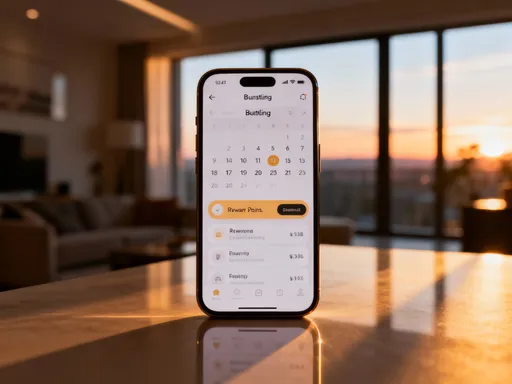
One way to maintain balance is to establish a cultural budget, just as you would for dining out or clothing. This doesn’t mean cutting back on meaningful experiences, but rather being selective. Prioritize quality over frequency. A single, deeply engaging museum visit may offer more value than several rushed outings. Ask yourself whether an experience is likely to expand your thinking or simply provide distraction. For example, attending a lecture on ancient philosophy may challenge your worldview, while a flashy but shallow exhibit might leave little lasting impact. Being honest about these differences helps prevent emotional spending disguised as self-improvement.
Another risk is using cultural activities to avoid financial responsibilities. It’s easy to justify a weekend getaway as “inspiration” when you’re avoiding a difficult budget conversation at home. True investment in culture enhances clarity—it shouldn’t cloud judgment. If you find that your spending on events, travel, or classes is causing stress or straining your finances, it’s time to reassess. The same principles that apply to stock selection—due diligence, diversification, risk assessment—can be applied here. Treat your time and money as finite resources. Allocate them with care. When cultural spending is intentional and balanced, it strengthens your financial mindset. When it becomes habitual or impulsive, it can weaken it.
Practical Strategies for Intentional Cultural Investing
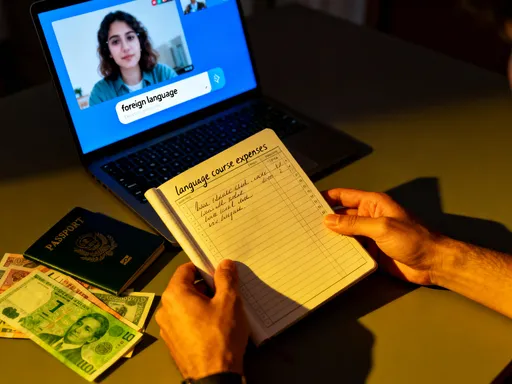
Building a sustainable practice of cultural investing doesn’t require wealth or extensive travel. It starts with small, consistent actions. One effective approach is to allocate a fixed portion of discretionary income—say 5% to 10%—to cultural activities, treating it like a learning or development fund. This creates structure without rigidity. You can use this fund for concert tickets, books, online courses on art history, or local heritage tours. The key is consistency, not extravagance. Regular exposure to meaningful experiences has a greater impact than occasional splurges.
Another strategy is to combine cultural spending with active learning. Before attending a play, read about the playwright or the historical context. Before visiting a museum, watch a short documentary on the featured artist. This deepens the experience and reinforces the idea that you are investing in understanding, not just entertainment. It also makes the time and money spent feel more purposeful. Over time, this habit strengthens your ability to engage thoughtfully with all areas of life, including finance.
Keeping a simple journal can also enhance the process. After each experience, jot down a few reflections: What surprised me? What did I learn? How do I feel differently? These notes help you identify patterns. You may discover that certain types of experiences—such as live music or nature-based art—consistently boost your mood or creativity. Use this insight to guide future choices. You might also notice that some activities, while enjoyable, don’t contribute much to your growth. This awareness allows you to refine your spending and focus on what truly matters. The goal is not to turn every outing into a lesson, but to cultivate intentionality—a skill that serves you well in all areas of financial life.
Building a Lifestyle Portfolio
Just as a well-diversified investment portfolio spreads risk across asset classes, a balanced lifestyle allocates time and energy across different forms of growth: financial, physical, emotional, and cultural. When one area dominates—such as working long hours to maximize income—others suffer. Burnout, anxiety, and poor decision-making often follow. But when you intentionally nurture multiple dimensions of your life, you build resilience. This holistic approach doesn’t replace traditional financial planning—it enhances it.
For example, a woman who regularly engages with music or visual art may develop greater comfort with ambiguity and uncertainty—qualities that are essential in investing. Markets are unpredictable; outcomes are rarely clear. Those who can tolerate this ambiguity without panic are more likely to stay the course during downturns. Similarly, someone who reads widely or travels thoughtfully may develop a longer time horizon, making them less reactive to short-term market fluctuations. These traits aren’t taught in finance courses, but they are cultivated through lived experience.
Think of your life as a portfolio of investments. Some assets grow your bank account; others grow your mind, spirit, and relationships. When cultural engagement is integrated into this portfolio, it supports smarter, more sustainable financial behavior. It encourages patience, reduces impulsivity, and fosters a deeper sense of purpose. This doesn’t mean spending more money—it means spending it more wisely. A balanced lifestyle doesn’t guarantee financial success, but it creates the internal conditions that make it more likely.
Long-Term Wealth Starts with Perspective
In the end, true wealth is not just about how much money you accumulate, but about the quality of the decisions you make along the way. The most successful investors are not necessarily those with the highest returns, but those who maintain discipline, perspective, and emotional balance through market cycles. These qualities are not developed overnight. They are shaped by experiences—some financial, many not. Cultural spending, when approached with intention, plays a quiet but powerful role in this development.
It nurtures curiosity, allowing you to see opportunities where others see risk. It builds patience, helping you wait for the right moment instead of chasing quick wins. It strengthens emotional regulation, so you don’t panic when markets dip. These are not soft skills—they are financial advantages. And they are cultivated not in boardrooms, but in concert halls, bookstores, and quiet moments of reflection after a meaningful experience.
The shift from seeing culture as expense to recognizing it as investment is subtle, but profound. It changes not only how you spend money, but how you think about value, time, and success. You begin to measure wealth not just in dollars, but in depth of understanding, strength of character, and clarity of purpose. These are the assets that endure, long after market trends have shifted. By investing in culture, you are not spending your money—you are upgrading your mind. And that, more than any stock or property, is the foundation of lasting financial wisdom.