How I Tackled Kindergarten Costs Without Losing My Mind
When my child started kindergarten, I was hit with a wave of unexpected expenses—tuition, supplies, activities, you name it. It felt overwhelming, like I was spending nonstop with no end in sight. That’s when I realized I needed a real financial plan, not just quick fixes. What I learned wasn’t about cutting out coffee—it was about smart, practical choices that actually work. This is how I took control of kindergarten costs without sacrificing peace of mind.
The Hidden Price of Tiny Backpacks: What Kindergarten Really Costs
Many parents believe kindergarten is a low-cost phase, especially when enrolling in public schools where tuition is free. However, the reality is that the financial responsibilities begin long before the first day of class and extend well beyond the school year. While public education may not charge tuition, families are often expected to cover a range of associated costs that, when added together, can resemble a modest monthly bill. These include classroom supplies, school uniforms, transportation, meals, field trips, after-school programs, and various activity fees. What starts as a list of small, seemingly manageable expenses can quickly accumulate into hundreds or even thousands of dollars annually.
For example, a typical supply list might include items such as crayons, glue sticks, notebooks, scissors, and disinfectant wipes. Individually, these are inexpensive. But when purchasing for an entire classroom—sometimes requested by the teacher to be donated—the cost per family can rise unexpectedly. Some schools require parents to contribute $50 to $100 per year for these collective materials. Uniforms add another layer, with basic sets costing between $75 and $150, and additional outfits needed as children grow. Field trips, though educational and valuable, often come with fees ranging from $10 to $30 per outing, and there may be three to five such trips per year. When transportation isn’t provided, parents must factor in gas, parking, or ride-share expenses.
Meal costs also contribute to the financial load. While many schools offer free breakfast and lunch programs for qualifying families, others operate on a paid basis, with daily meals averaging $3 to $5. Over a 180-day school year, that’s up to $900. Enrichment programs such as art clubs, music lessons, or physical activity groups may cost an additional $10 to $25 per session. These are optional but heavily promoted, making it difficult for parents to decline without their child feeling left out. The cumulative effect of these expenses creates what financial experts call “education creep”—the gradual, often unnoticed increase in spending that accompanies school enrollment.
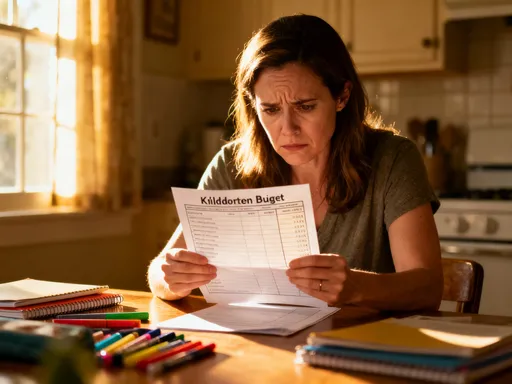
Understanding this full financial picture is critical. Without awareness, families may dip into emergency savings, rely on credit cards, or experience stress that affects household harmony. The first step in managing kindergarten costs is not cutting corners blindly but gaining clarity on where money is actually going. Only then can parents make informed decisions about what is necessary, what can be delayed, and what might be avoided altogether. This awareness transforms kindergarten from a financial ambush into a predictable, manageable phase of family life.
Why Financial Planning Starts Before the First Day of School
Financial readiness for kindergarten should begin months in advance, not on the morning of the first day when a forgotten lunchbox or missing supply item triggers a last-minute store run. Proactive planning allows families to map out expected expenses, align them with income cycles, and avoid the stress of reactive spending. The most effective financial strategies are built on timing—knowing what needs to be budgeted and when. Starting early means having the space to research, compare prices, and make thoughtful decisions rather than impulsive ones driven by urgency.
Six months before school starts is an ideal time to gather information. Parents should request the school’s supply list, uniform policy, and calendar of planned activities. Many schools release these details in the spring for the following academic year. With this information, families can begin estimating total costs. For instance, if the supply list includes 10 glue sticks, they can check bulk pricing online or wait for back-to-school sales in July and August. Uniforms can be ordered during seasonal discounts or sourced from secondhand platforms, potentially saving 40% to 60% compared to retail prices.
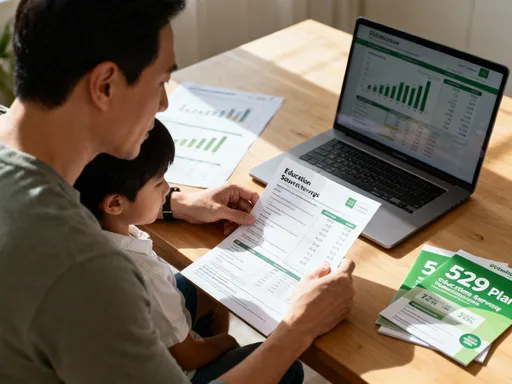
Three months out is the time to create a dedicated education budget. This involves reviewing household income, identifying flexible spending areas, and allocating funds specifically for school-related costs. Some families choose to open a separate savings account labeled “School Fund” and begin setting aside a fixed amount each week or month. Even $20 per week adds up to over $1,000 in a year—more than enough to cover most kindergarten expenses without strain. This method, known as sinking fund planning, spreads the financial burden over time rather than concentrating it in a single, stressful payment period.
One month before school starts is the final preparation phase. By this point, supplies should be purchased, uniforms fitted, and transportation plans confirmed. This is also the time to review any upcoming field trip notices or registration deadlines for after-school programs. Having a clear picture of immediate costs prevents last-minute scrambling and reduces the temptation to use high-interest credit. More importantly, early planning fosters a sense of control. Instead of reacting to each new expense as it arises, parents operate from a position of preparedness, which significantly reduces financial anxiety. The goal is not perfection but progress—small, consistent actions that collectively lead to stability and confidence.
Building a Realistic Education Budget (That You’ll Actually Stick To)
A budget only works if it reflects real life. Too many families create overly strict financial plans that fail within weeks because they don’t account for fluctuating incomes, unexpected costs, or the simple reality of raising young children. A sustainable kindergarten budget must be flexible, realistic, and tailored to the family’s unique circumstances. The foundation of this process is accurate expense tracking. For one to two months before school starts, parents should record every dollar spent on child-related items—from snacks to shoes. This reveals spending patterns and identifies areas where adjustments can be made without significant lifestyle changes.
The next step is categorizing expenses into three groups: essentials, semi-essentials, and discretionary. Essentials include required supplies, uniforms, and transportation. Semi-essentials might be school lunches, backpack replacements, or basic art materials. Discretionary items include enrichment programs, branded clothing, or optional field trips. Prioritizing essentials ensures that critical needs are met first. For semi-essentials, families can look for cost-saving alternatives, such as packing lunches instead of buying them or purchasing generic brands instead of name-brand supplies.
Income alignment is another crucial factor. Families with irregular income—such as freelancers or seasonal workers—should base their budget on their lowest-earning months to avoid shortfalls. They can then allocate surplus income during high-earning months toward the school fund. For those on a fixed income, automating small transfers to a dedicated account helps build savings without requiring constant attention. The key is consistency, not size. A $10 weekly transfer is more effective than a $200 one-time deposit that depletes emergency funds.
A realistic budget also includes room for error. Unexpected costs are inevitable—lost jackets, broken lunch containers, or last-minute class projects. Including a 10% to 15% buffer in the total budget accounts for these surprises without derailing the entire plan. Additionally, involving a partner or trusted family member in the budgeting process increases accountability and reduces financial friction at home. When both caregivers understand the plan, they’re more likely to support it, even when temptations arise. Ultimately, a budget that respects real-life constraints is far more likely to succeed than one based on idealized assumptions.
Smart Saving Strategies That Don’t Feel Like Deprivation
Saving money during the kindergarten years does not require extreme measures. The most effective strategies are practical, low-effort, and integrated into daily life. One powerful method is staggered purchasing. Instead of buying all supplies at once, parents can take advantage of year-round sales. For example, buying glue sticks and notebooks in January—when office supply demand is low—can yield discounts of 30% or more. Similarly, purchasing winter outerwear in late spring or early summer often results in significant markdowns.
Secondhand shopping is another valuable tool. Children grow quickly, and many school items, such as backpacks, lunchboxes, and even gently used uniforms, can be found in excellent condition at thrift stores, online marketplaces, or community swap events. Some schools even host annual “supply swap” days where families exchange unused materials. This not only reduces costs but also promotes sustainability by keeping usable items out of landfills. For parents concerned about hygiene, most fabric items can be washed, and plastic or metal supplies can be sanitized easily.
Group buying with other parents is another effective strategy. When several families pool their resources, they can purchase supplies in bulk at wholesale prices. For example, a box of 50 glue sticks may cost $25 when bought individually but only $15 when ordered in bulk. Coordinating with a small parent group allows each family to buy only what they need while still benefiting from volume discounts. Some communities even have cooperative purchasing programs organized through parent-teacher associations.
Timing matters as well. Back-to-school sales in July and August offer deep discounts, but they also attract large crowds and encourage impulse buying. A smarter approach is to shop early in the season, choose stores with price-matching policies, and stick strictly to the supply list. Using cash-back apps or credit cards with grocery and retail rewards can add extra savings over time. The goal is not to eliminate spending but to maximize value. When saving feels like a strategic win rather than a sacrifice, it becomes a sustainable habit.
Managing Unexpected Costs Without Derailing Your Finances
No matter how thorough the planning, unexpected costs will arise. A child may lose their coat, break their glasses, or be invited to a classmate’s birthday party with a gift expectation. These moments can trigger stress, especially if funds are tight. The solution lies in building a small education buffer fund—a dedicated reserve for surprise expenses. This is not an emergency fund for major crises but a smaller, targeted savings pool for school-related surprises.
Financial experts recommend setting aside $200 to $300 annually for this purpose. Families can fund it gradually—$15 to $25 per month—so it doesn’t strain the budget. When an unexpected cost occurs, such as a $40 field trip fee or a $30 replacement for a lost library book, the buffer fund covers it without requiring a credit card or withdrawal from long-term savings. This approach maintains financial stability and prevents small setbacks from becoming larger problems.
Sinking funds are another useful tool. Instead of saving for everything in one general account, families can create separate mini-funds for different categories—supplies, activities, clothing, and surprises. Each month, a small amount goes into each fund. When a need arises, the money is already there. This method provides clarity and control, reducing the emotional weight of unexpected expenses.
Equally important is knowing when to say “no.” Not every optional activity or social event needs to be attended. Parents can politely decline invitations or explain that their family is on a budget without shame. Teaching children that “we can’t do everything” is a valuable financial lesson in itself. Open communication with teachers can also help—some may offer supply alternatives or allow payment plans for larger fees. The goal is not to deprive children but to manage resources wisely, ensuring long-term financial health.
Teaching Kids Early About Money Through School Expenses
Financial literacy begins at home, and kindergarten offers a natural opportunity to introduce basic money concepts. Children at this age are capable of understanding simple ideas like saving, waiting, and making choices. By involving them in small financial decisions, parents lay the groundwork for responsible money habits that last a lifetime. For example, when purchasing school supplies, parents can take their child to the store and present two options—a $5 art kit and a $12 premium version. Guiding the child to compare value helps them understand trade-offs.
Another effective method is creating a small savings goal. If a class party requires a $5 contribution, parents can give the child a jar and encourage them to save $1 per week from their allowance or spare change. This teaches delayed gratification and the satisfaction of earning something through patience. Similarly, when a child wants a new backpack, parents can suggest saving half the cost while they cover the rest. This shared responsibility builds ownership and appreciation.
Role-playing games at home can reinforce these lessons. Pretending to run a classroom store or budgeting for a pretend field trip makes learning fun and relatable. Parents can also use everyday moments—like packing lunch or shopping for supplies—to talk about cost, value, and planning. These conversations don’t need to be long or formal; even brief, consistent discussions shape a child’s financial mindset.
Importantly, these lessons reduce the emotional burden on parents. When children understand that money is limited and choices must be made, they are less likely to demand every item they see. This fosters cooperation and reduces conflict around spending. More than that, it transforms financial stress into shared learning, turning the challenges of kindergarten costs into opportunities for family growth.
Looking Ahead: How Kindergarten Planning Sets the Stage for Future Success
The financial habits formed during the kindergarten years have lasting effects. Learning to budget, save, and plan ahead creates a foundation for managing larger education expenses in the future—elementary school field trips, middle school instruments, high school sports fees, and eventually college costs. Families who establish systems early are better equipped to handle these challenges without panic or debt. The discipline of tracking expenses, setting priorities, and using sinking funds becomes second nature, reducing financial stress across all stages of parenting.
Moreover, children who grow up seeing their parents manage money thoughtfully are more likely to adopt similar behaviors. They learn that financial stability comes from consistency, not luck. They observe that planning is empowering and that small, regular actions lead to big results over time. These lessons extend beyond school costs—they influence career choices, spending habits, and long-term goals.
Managing kindergarten expenses is not just about saving money; it’s about gaining control. It’s about replacing anxiety with confidence, confusion with clarity, and reactivity with intention. Every dollar saved through careful planning is a step toward greater freedom—freedom to enjoy the school years without financial fear, freedom to make choices based on values rather than pressure, and freedom to focus on what truly matters: supporting a child’s growth in a stable, loving environment. The habits built today become the financial security of tomorrow.