Lost in the Wild Beauty of Oslo – You Won’t Believe These Views
Nestled between fjords and forests, Oslo blends urban charm with untouched nature in a way that feels almost surreal. I came for the city vibes but stayed for the breathtaking landscapes just minutes from downtown. From silent snow-covered trails to sparkling coastal paths, Oslo’s natural scenery is not just nearby—it’s unforgettable. This is real, raw, and totally worth exploring. For women who seek both comfort and quiet wonder in their travels, Oslo offers a rare gift: the chance to breathe deeply, move freely, and reconnect with the earth without ever leaving the pulse of city life. Here, nature isn’t an escape—it’s part of the everyday rhythm.
Why Oslo’s Natural Scenery Is a Game-Changer for City Travelers
Oslo redefines what it means to be an urban traveler. Unlike most capital cities, where green spaces are limited to manicured parks and tree-lined avenues, Oslo is built into the wild. Over 80% of the municipality is covered in forests, wetlands, and waterways, creating a seamless transition between city life and natural immersion. This unique balance allows visitors to enjoy cultural attractions in the morning—museums, cafés, shopping—and be hiking through silent pine forests by afternoon. The proximity of untouched nature to the urban core is unmatched in Europe, making Oslo a pioneer in sustainable, health-conscious tourism.
For women traveling solo or with family, this blend offers peace of mind and physical ease. There is no need for long drives, expensive tours, or complicated logistics to experience true wilderness. A short metro ride from the city center leads to trailheads where deer roam and birds call undisturbed. This accessibility transforms the travel experience from one of observation to participation. You are not just visiting nature—you are stepping into it, becoming part of its quiet pulse. That shift matters deeply, especially for those seeking rejuvenation and clarity on their journeys.
The city’s commitment to preserving green corridors ensures that development does not come at the cost of natural integrity. Urban planning prioritizes walkability, green roofs, and tree canopy coverage, reinforcing the idea that well-being begins with access to open air and open space. Studies have shown that regular exposure to nature reduces stress and improves mental focus—benefits that Oslo’s residents enjoy daily and visitors can immediately experience. In a world where cities often feel overwhelming, Oslo stands as a model of balance, proving that urban life can coexist harmoniously with wild beauty.
The Fjord Magic: Experiencing Oslofjord Like a Local
The Oslofjord is the soul of the city’s natural identity. Stretching over 100 kilometers from the Skagerrak Sea into the heart of southern Norway, this glacial inlet weaves through islands, cliffs, and coastal villages, offering some of the most serene and scenic waterfront experiences in Northern Europe. What makes the fjord truly special is how effortlessly locals—and now travelers—can reach its hidden corners using public transport. During summer months, regular ferries depart from Aker Brygge and Vippetangen, gliding across glassy waters toward forested islands like Hovedøya, Langøyene, and Gressholmen.
Hovedøya, just a 20-minute ferry ride from downtown, is a favorite among families and nature lovers. Once home to a medieval monastery, the island now hosts quiet walking trails, open meadows, and rocky beaches perfect for sunbathing or swimming. The water remains cool even in July, but Norwegians embrace it with joyful resilience. Picnic baskets are common, filled with rye bread, cheese, and fresh berries. Children laugh as they jump from low cliffs, while parents relax under pine trees, reading or simply watching the sailboats drift by. There is a deep sense of calm here—an unhurried pace that feels like a gentle reset for the spirit.
Langøyene offers a more secluded experience, with marked trails circling the island and leading to quiet coves where you can dip your feet in the water undisturbed. Unlike crowded tourist beaches elsewhere in Europe, these spaces remain peaceful, protected by cultural norms that value quiet enjoyment over loud recreation. No motorized water sports, no beach bars blasting music—just the sound of waves and wind. This respect for stillness is part of what makes Oslo’s nature so restorative. It invites reflection, not distraction.
Even in shoulder seasons, the fjord retains its magic. Autumn brings golden light across the water, while spring reveals bursts of wildflowers along the shorelines. Birdwatchers spot kingfishers, herons, and sea eagles, particularly on the outer islands. The ferry system itself is part of the experience—affordable, reliable, and integrated into the city’s public transit network. A single ticket allows transfers between metro, bus, and boat, making exploration simple and stress-free. For women who appreciate ease and safety, this seamless access to pristine nature is nothing short of revolutionary.
Hiking Right from Downtown: The Marka Forest Experience
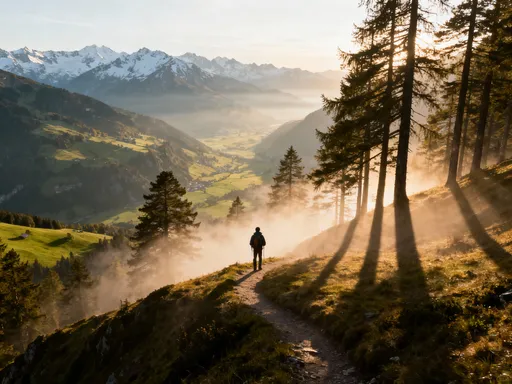
If the fjord represents Oslo’s watery heart, the Marka forest is its green lungs. Encircling the city like a protective embrace, this vast woodland covers over 300 square kilometers and contains more than 1,500 kilometers of marked trails. What astonishes first-time visitors is how quickly the urban landscape gives way to deep forest. Within 20 minutes on the T-bane (Oslo’s metro), you can step off at stations like Sognsvann or Holmenkollen and find yourself at the edge of a wilderness where moose tracks are not uncommon and silence reigns.
Locals use the Marka year-round. In summer, families hike to small lakes for swimming, children chase butterflies along forest paths, and runners follow well-maintained loops with elevation changes that challenge even experienced athletes. Trail signs are clear, posted in both Norwegian and English, and emergency shelters are spaced at regular intervals—small cabins with firewood and benches, a tradition rooted in Norway’s right to roam (allemannsretten). This legal and cultural principle guarantees public access to uncultivated land, as long as nature is respected. It empowers everyone, especially independent travelers, to explore freely and safely.
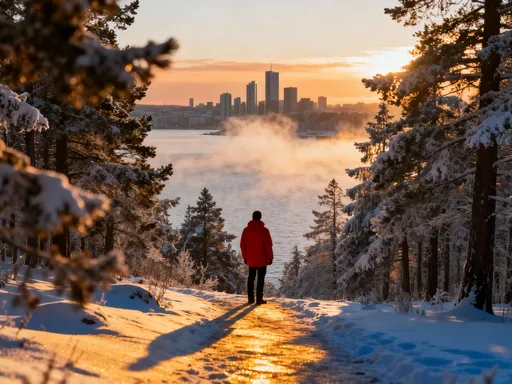
In winter, the transformation is breathtaking. The same trails become a cross-country skier’s paradise. Thousands of residents glide through snow-draped pines, some commuting home from work on skis, others taking weekend excursions deep into Nordmarka. The city maintains over 2,000 kilometers of prepared ski tracks, many lit for evening use. This integration of sport, nature, and daily life is central to Norwegian identity. For women seeking active yet peaceful travel experiences, skiing in Marka offers both physical invigoration and emotional calm.
Practical access is key. No car is needed—just warm layers, sturdy boots, and a sense of adventure. The metro runs frequently, and many trailheads have small parking areas, restrooms, and information boards. For those unsure of routes, the Visit Oslo website and local tourist offices provide free maps and suggested itineraries based on skill level and time available. Whether you choose a 3-kilometer loop around Sognsvann Lake or a full-day trek toward Lake Østensjøvannet, the forest welcomes you with quiet dignity.
Winter Wonderland: Where the City Meets Snow-Covered Wilderness
When winter arrives, Oslo does not retreat indoors—it embraces the cold with open arms. The city’s climate, moderated by the Gulf Stream, remains relatively mild compared to other northern capitals, with average January temperatures hovering around -4°C (25°F). This makes winter activities not only possible but deeply enjoyable. Snow typically arrives in December and lasts through March, blanketing the Marka forests, frozen lakes, and city parks in a soft white layer that transforms the landscape into a dreamlike realm.
Cross-country skiing is the heart of Oslo’s winter culture. Unlike alpine skiing, which requires mountain resorts and expensive lifts, cross-country is accessible, low-impact, and deeply rooted in Norwegian tradition. It is common to see people of all ages gliding through the woods after work or on weekend mornings. At Holmenkollen, one of the world’s oldest ski jump sites, visitors can ski on trails that wind up the hillside with panoramic views of the city and fjord. The nearby ski museum traces 4,000 years of skiing history, reminding guests that this is not just recreation—it is heritage.
Sledding is another beloved pastime. Families gather at hills like Korketrekkeren, a 2-kilometer natural luge run in Holmenkollen, where children squeal with delight as they race down on wooden sleds. The city provides free sled rentals at certain locations and ensures safety with designated zones and volunteer monitors during peak times. Ice skating is equally popular, with outdoor rinks set up in parks like Frogner and Spikersuppa, the latter located right in front of the city hall. These spaces become social hubs, where hot chocolate flows and laughter fills the crisp air.
The Norwegian philosophy of “det finnes ikke dårlig vær, bare dårlige klær” (“there is no bad weather, only bad clothing”) shapes the city’s winter mindset. Layering up in moisture-wicking base layers, wool sweaters, and windproof outerwear makes outdoor life comfortable and joyful. Local shops offer high-quality outdoor gear, and many hotels provide rental services for guests. This cultural attitude empowers women travelers to participate fully in winter life without hesitation. Cold is not a barrier—it is an invitation to move, play, and connect with nature in its most serene form.
Hidden Coastal Gems: Beyond the Fjord Mainstream
While the central fjord islands attract many visitors, Oslo’s true coastal treasures lie slightly off the beaten path. The Bygdøy Peninsula, accessible by bus or bicycle, is one such gem. Known for its museums—including the Viking Ship Museum and the Norwegian Maritime Museum—it also boasts long stretches of sandy beach, pine forests, and quiet walking trails that few tourists fully explore. On a sunny afternoon, you can walk for miles without encountering a crowd, listening only to the rustle of leaves and the distant cry of gulls.
The outer archipelago, reachable via late-season ferries or private boat tours, offers even greater solitude. Islands like Bleikøya, Hvasser, and Tomma are part of a protected coastal landscape where nature remains largely undisturbed. Here, rocky shores give way to tidal pools teeming with sea life, and forest paths wind through ancient granite formations shaped by ice age glaciers. Birdwatchers flock to these areas during migration seasons, spotting oystercatchers, puffins, and white-tailed eagles.
These islands are not developed for mass tourism. There are no resorts, no souvenir shops, no loud music. Instead, visitors find basic shelters, composting toilets, and fire pits—enough to support a day trip or overnight camping under the stars. The experience is raw and authentic, a reminder of how nature thrived long before humans arrived. For women seeking stillness and introspection, these quiet corners of Oslo’s coastline offer a sanctuary unlike any spa or retreat center.
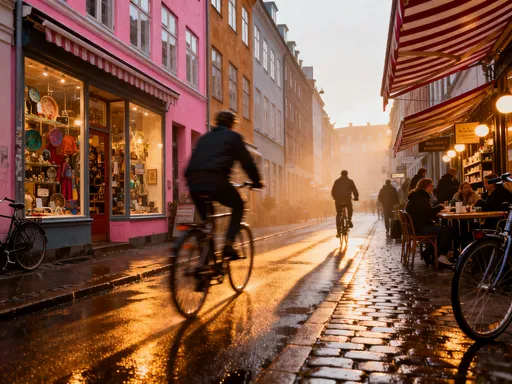
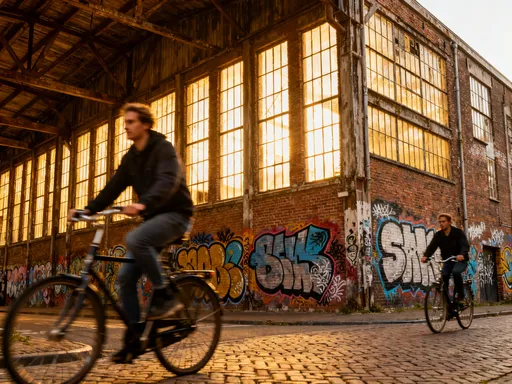
Reaching them is part of the adventure. The Ruter public transport app allows users to plan multi-modal trips combining bus, metro, and ferry. Biking to the ferry terminal adds another layer of immersion—feeling the wind on your face, passing through neighborhoods where laundry flaps on balconies and children wave from playgrounds. This slow approach to travel fosters deeper connection, not just with place, but with self.
Sustainable Access: How Oslo Makes Nature Inclusive and Easy
Oslo’s greatest achievement may not be its natural beauty, but its commitment to making that beauty accessible to all. The city has invested heavily in green mobility—buses powered by biogas, electric ferries, extensive bike lanes, and a metro system that reaches deep into forested zones. Public transport is affordable, efficient, and designed with inclusivity in mind. A single-day pass costs less than $10 and grants unlimited access to all modes of transit, including the fjord ferries.
This infrastructure ensures that economic status does not determine who can enjoy nature. Families, seniors, solo travelers, and people with limited mobility can all participate in outdoor life. Wheelchair-accessible trails, audio guides, and adaptive sports programs further broaden access. The city’s “green schoolyards” initiative has transformed asphalt playgrounds into mini-ecosystems, teaching children early that nature belongs to everyone.
Well-marked trails, clear signage, and real-time updates via apps like UT.no (Utmarkstjenesten) help visitors navigate safely. Emergency call boxes are placed at key junctions, and rangers patrol popular areas during peak seasons. These systems create a sense of security, especially important for women traveling alone. You can hike deep into the woods knowing help is available if needed, yet still feel miles away from the city.
Oslo’s environmental policies reinforce this vision. Car-free zones in the city center, congestion pricing, and incentives for electric vehicles reduce pollution and noise, preserving the tranquility of natural spaces. The city aims to be carbon neutral by 2030, and its integration of nature into urban life is central to that goal. For travelers who care about sustainability, Oslo offers a powerful example: luxury is not measured in five-star hotels, but in clean air, quiet forests, and water you can drink from a stream.
Why This Blend of City and Wild Is the Future of Urban Travel
Oslo is not just a destination—it is a vision of what cities can become. In an era of climate crisis and rising urban stress, its model of integrating wilderness into daily life offers hope and practical inspiration. Other cities may have parks or nearby mountains, but few achieve the seamless fusion that Oslo does. Here, nature is not an afterthought or a weekend getaway. It is woven into the fabric of existence, available to all, every day.
For women who travel to nourish their minds, bodies, and spirits, Oslo represents a new kind of journey—one that balances culture with calm, activity with reflection, connection with solitude. It invites you to slow down, breathe deeply, and remember that wonder does not require extravagance. Sometimes, it is found in the crunch of snow underfoot, the glint of sunlight on water, or the sound of silence after the metro doors close behind you.
As more travelers seek meaningful, sustainable experiences, cities will need to follow Oslo’s lead. Urban planning must prioritize green access, clean transport, and inclusive design. Tourism should uplift communities and protect ecosystems, not exploit them. Oslo proves that beauty and responsibility can go hand in hand.
So when you plan your next trip, ask yourself: do I want to just see a city, or do I want to feel it? Let Oslo inspire you to choose destinations where life moves at the rhythm of the seasons, where forests meet fjords, and where every journey begins with a single step into the wild. The views may take your breath away—but the peace you find within will stay with you long after you return home.