You Won’t Believe What’s Brewing in Addis Ababa’s Art Scene
Addis Ababa isn’t just Ethiopia’s political heart—it’s a creative powerhouse exploding with color, rhythm, and raw expression. I went looking for coffee and culture but found something deeper: a city where art isn’t just displayed, it’s lived. From converted warehouses to open-air galleries pulsing with energy, Addis is rewriting the rules of African contemporary art. This isn’t tourism—it’s connection. And if you’re into real, unfiltered creativity, you’re seriously missing out.
The Pulse of a Creative Capital
Addis Ababa has long been a city of resilience, a place where history and modernity coexist in dynamic tension. As the only African capital never colonized, its cultural identity remains deeply rooted in self-determination and pride. This legacy is now fueling one of the most vibrant art movements on the continent. The city’s transformation into an East African creative epicenter is not accidental—it is the result of deliberate cultural revival, youthful innovation, and a growing confidence in African narratives. Artists across generations are reclaiming space, voice, and visibility, using their work to interrogate the past while imagining bold futures.
At the heart of this artistic awakening is a new generation of creators who see art not as a luxury but as a necessity. They are educated, globally aware, and deeply connected to their heritage. Many have studied at the Alle School of Fine Arts and Design, Ethiopia’s oldest and most prestigious art institution, founded in 1958. The school has long served as a crucible for talent, nurturing artists who blend traditional Ethiopian motifs—such as religious iconography, Amharic calligraphy, and Coptic influences—with contemporary forms. Its graduates are now leading galleries, teaching in community studios, and exhibiting internationally, forming a bridge between local roots and global conversations.
Language, too, plays a subtle but powerful role in shaping Addis Ababa’s artistic identity. With over 80 languages spoken in Ethiopia and Amharic as the national tongue, artists often incorporate linguistic elements into their work—painting words onto canvases, weaving scripts into textiles, or using poetry as performance. This multilingual richness adds layers of meaning, inviting viewers to look beyond the visual and engage with the cultural context. In a city where storytelling is a cherished tradition, art becomes another form of oral history—one that speaks across time and space.
Moreover, Addis Ababa’s urban landscape itself contributes to its creative energy. The city’s mix of modern high-rises, Soviet-era buildings, and traditional homes creates a visually complex backdrop that inspires experimentation. Artists respond to the textures of the city—the cracked plaster walls, the vibrant market awnings, the rhythm of street life—transforming everyday sights into powerful metaphors. This urban dialectic, between decay and renewal, tradition and innovation, is at the core of what makes Addis Ababa’s art scene so compelling.
Inside the Studios: Where Ideas Take Shape
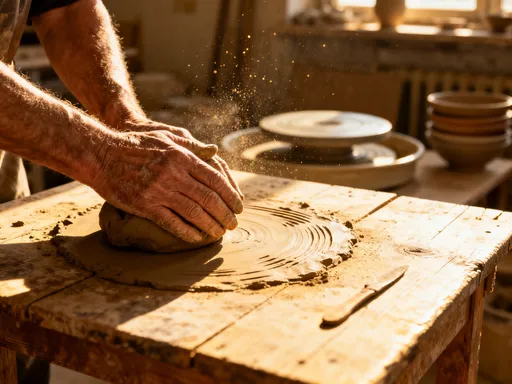
To understand the soul of Addis Ababa’s art, one must step inside the studios where creation unfolds in quiet intensity. These spaces are not always grand or polished; many are modest rooms tucked into residential neighborhoods, repurposed garages, or shared workspaces in older buildings. What they lack in luxury they make up for in authenticity and purpose. Here, artists work with limited resources but boundless imagination, turning scraps of fabric, discarded metal, and locally sourced pigments into profound statements of identity and resistance.
One might find a painter in Bole grinding her own ochre from Ethiopian soil, mixing it with linseed oil to achieve a hue that cannot be bought in a store. Elsewhere, a sculptor in Kirkos welds together pieces of reclaimed iron, shaping figures that echo the resilience of his community. Textile artists in Lideta weave intricate patterns inspired by traditional Ethiopian shawls, embedding symbols of protection, fertility, and unity into every thread. These materials are not chosen merely for aesthetics—they carry meaning, connecting the artwork to the land, history, and lived experience.
The daily rhythm of studio life reflects both discipline and spontaneity. Many artists begin their days early, often after morning prayers or family responsibilities, carving out time between errands and meals. Some work in silence, others with music—Ethiopian jazz, Orthodox chants, or the latest Amharic hip-hop—filling the air with rhythm. Collaboration is common; artists visit each other’s studios, exchange feedback, and sometimes co-create. This sense of community is not just supportive—it is essential. In a country where government funding for the arts remains minimal, peer networks become lifelines.
What sets these studios apart is their commitment to storytelling. Unlike art produced for commercial appeal, much of what emerges from these spaces is deeply personal and politically aware. A painting might depict a grandmother’s journey during the famine of the 1980s; a mixed-media piece could reference the Oromo protests of recent years; a ceramic installation might explore the tension between urbanization and rural displacement. These are not abstract concepts—they are lived realities, transformed into visual language. The result is art that does not merely decorate but communicates, challenges, and heals.
Public Art as Urban Dialogue
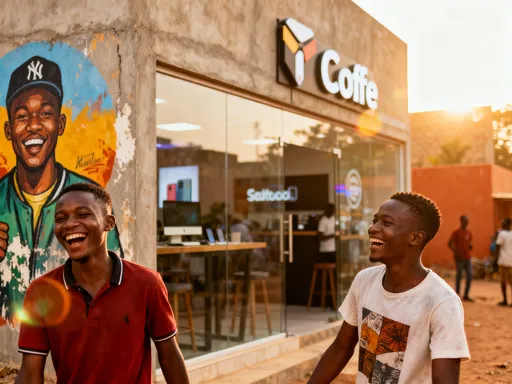
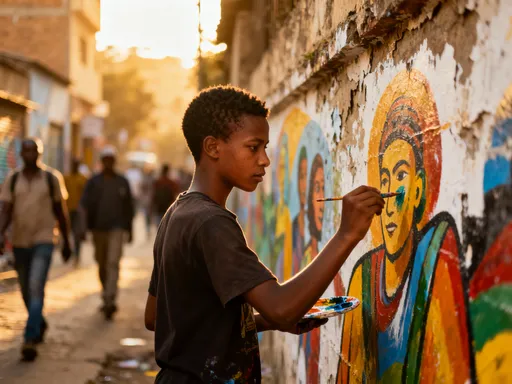
While galleries offer curated experiences, the true heartbeat of Addis Ababa’s art scene pulses in its public spaces. Murals, sculptures, and performances have turned the city into a living gallery, where creativity is not confined behind glass but woven into the fabric of daily life. In neighborhoods like Piazza, Kazanchis, and Mercato, walls tell stories. A massive mural in Sidist Kilo might depict a lion with a crown of coffee leaves, symbolizing national pride and agricultural heritage. Another in Piassa shows a child reading beneath a tree made of books, a quiet call for education and hope.
These works are more than decoration—they are acts of dialogue. They respond to social issues, celebrate cultural icons, and reclaim neglected spaces. In areas once marked by neglect or conflict, vibrant murals have become symbols of renewal. Community-led projects often bring together local youth, artists, and elders to co-design and paint these walls, turning the process itself into a form of healing and empowerment. The messages vary—some honor historical figures like Emperor Tewodros II or feminist poet Aster Ganno; others address contemporary concerns like gender equality, environmental protection, or mental health awareness.
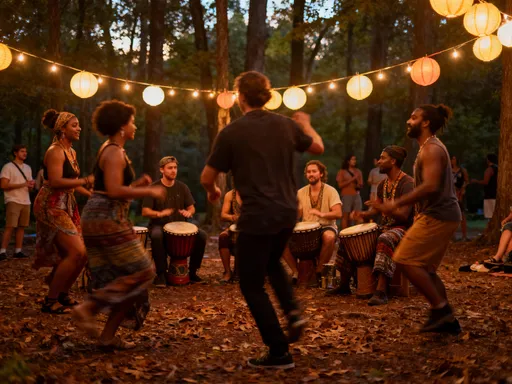
Street performances add another layer to this urban conversation. In the evenings, near the Ethnographic Museum or along Churchill Avenue, one might stumble upon impromptu dance troupes, poetry readings, or musical jam sessions. These gatherings are not staged for tourists—they emerge organically, fueled by passion and the need to express. The rhythms of traditional azmari music blend with modern beats, creating a soundscape that is uniquely Addis. Passersby stop, listen, clap, and sometimes join in, turning the sidewalk into a stage and the audience into participants.
What makes public art in Addis Ababa particularly powerful is its accessibility. Unlike museum exhibitions that may require admission or cultural familiarity, street art speaks directly to the people. A farmer from the countryside, a university student, a taxi driver—they all engage with it on equal footing. This democratization of art ensures that creativity remains rooted in the community, not isolated in elite circles. It also allows for boldness; without the constraints of institutional curation, artists can take risks, challenge norms, and speak truth to power in ways that indoor galleries sometimes cannot.
Galleries with a Mission: More Than Just Walls
For those seeking a more structured experience, Addis Ababa offers a growing network of galleries that balance aesthetic excellence with social purpose. These are not mere commercial spaces focused on sales; many operate as cultural hubs, committed to education, mentorship, and community engagement. Non-profit galleries, in particular, play a vital role in nurturing emerging talent, offering residencies, workshops, and exhibition opportunities to young artists who might otherwise lack access to the art world.
Some galleries are housed in beautifully restored historic buildings, their architecture reflecting the city’s layered past. Others occupy modern minimalist spaces, designed to highlight the artwork without distraction. What unites them is a shared belief that art should serve a greater purpose. Curators often work closely with artists to develop thematic exhibitions—on topics like migration, spiritual identity, or the role of women in Ethiopian society—creating spaces for reflection and dialogue. Educational programs invite school groups, host panel discussions, and publish catalogs that document the evolving art scene.
Private galleries, too, are expanding their role beyond commerce. While they do connect Ethiopian artists to international collectors and biennials, many reinvest profits into local initiatives. Some sponsor art supplies for schools, fund community murals, or partner with NGOs on cultural preservation projects. This hybrid model—part business, part advocacy—reflects a broader shift in how art is valued in Addis Ababa. It is not just a commodity but a vehicle for change, a way to preserve heritage while pushing boundaries.
International interest is growing, and with it, opportunities for cross-cultural exchange. Curators from Europe, the United States, and other African nations are increasingly visiting Addis Ababa to collaborate, exhibit, and learn. Yet, there is a conscious effort among local institutions to maintain agency—invitations are selective, partnerships are equitable, and narratives are controlled by Ethiopian voices. This is not about catering to foreign tastes but about sharing authentic perspectives on their own terms.
Art and the Everyday: Markets, Music, and Movement
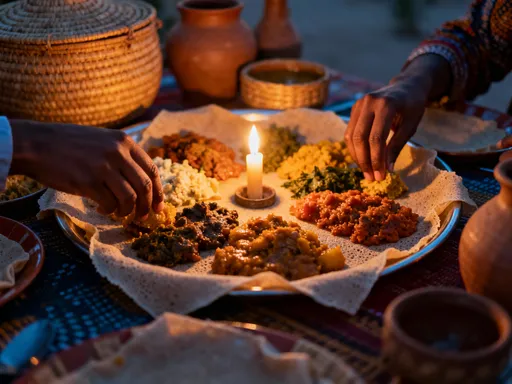
In Addis Ababa, the boundary between art and life is often invisible. Creativity flows not only through galleries and studios but into the rhythm of daily existence. The city’s craft markets are a testament to this integration. At Shiro Meda or the Addis Mercato, one can find handwoven baskets, embroidered garments, and carved wooden crosses—each piece a blend of function and artistry. These items are not made for display cases; they are used in homes, worn during festivals, and passed down through generations. The artisans who create them are not always labeled as “artists,” yet their work embodies centuries of skill, symbolism, and cultural memory.
Music, too, is inseparable from the artistic ecosystem. The legendary Ethio-jazz of Mulatu Astatke continues to inspire visual artists, dancers, and filmmakers. Live music venues, from intimate cafes in Bole to larger clubs near Mexico Square, offer nightly performances that blend traditional instruments like the krar and masenqo with modern harmonies. These spaces are not just for entertainment—they are cultural laboratories where innovation happens in real time. Dancers move with a fluidity that echoes the brushstrokes of a painting, their bodies becoming another medium of expression.
Dance itself is a form of public art, especially during religious festivals like Timkat or Meskel. Thousands gather in the streets, dressed in white, waving colorful umbrellas, moving in synchronized steps. The choreography is not rehearsed for an audience—it is a collective act of faith and identity. For artists, these moments are both inspiration and affirmation. They see in the procession the same themes they explore in their work: unity, resilience, transcendence. The line between performer and spectator blurs, just as it does in the best of contemporary art.
This seamless integration of art into everyday life makes Addis Ababa’s scene uniquely accessible. You don’t need to speak the language or have an art degree to feel its impact. A child watching a mural being painted, a grandmother humming a traditional tune in the market, a teenager filming a dance on her phone—each is part of the creative continuum. Art is not something you visit; it is something you live.
Navigating the Scene: A Practical Guide for Visitors
For travelers eager to engage with Addis Ababa’s art scene, timing and approach matter. The best period to visit is between October and March, when the weather is mild and the city hosts numerous cultural events. The annual Addis Foto Fest, held every two years, draws photographers and curators from across Africa and beyond. Even in non-festival years, gallery openings are frequent, often taking place on Friday or Saturday evenings. Locals treat these events as social gatherings—bring a small gift, greet the artist, and stay for conversation.
To find these events, check community bulletin boards at cultural centers, universities, or cafés known for hosting creatives. While specific businesses cannot be named without verification, many galleries welcome visitors by appointment. Guided cultural tours, led by local art enthusiasts or former students of the Alle School, offer insightful introductions to studios, markets, and hidden murals. These tours emphasize respect—visitors are encouraged to ask before photographing people, to listen more than they speak, and to support artists by purchasing directly when possible.
Transportation within the city can be managed through ride-hailing apps or local minibuses, known as “blue donkeys.” For those unfamiliar with the layout, starting in central neighborhoods like Piazza or Bole provides easy access to major galleries and cultural institutions. The National Museum, while primarily known for its archaeological exhibits, also features rotating displays of contemporary art. Nearby, the Rift Valley Church and Synod Building often hosts community art projects.
Most importantly, visitors should approach the art scene with curiosity rather than consumption. This is not a marketplace to be mined for souvenirs but a living culture to be honored. Ask artists about their process, learn the stories behind the symbols, and acknowledge the historical and social context. By engaging with humility and openness, visitors become part of the dialogue—not as outsiders, but as guests in a vibrant, ongoing conversation.
Why Addis Ababa’s Art Matters—Now More Than Ever
Addis Ababa’s art scene is not just a local phenomenon—it is a global signal. In a world where African narratives have long been filtered through colonial or Western lenses, this city offers a powerful alternative: art created by Africans, for Africans, and increasingly, for the world. It challenges the myth that creativity flows only from the Global North, proving that innovation thrives in contexts of resilience, not just privilege. The stories told here—of survival, identity, faith, and resistance—are universal in their emotional depth, yet uniquely Ethiopian in their expression.
Moreover, this artistic movement is deeply democratic. It does not wait for permission or institutional approval. It rises from the streets, the studios, the markets, and the homes of ordinary people who see beauty and meaning in their everyday lives. It reflects a growing confidence across the continent—a belief that African cultures are not relics of the past but living, evolving forces shaping the future. In this light, Addis Ababa is not just a capital city; it is a cultural compass.
For the world, this matters. As museums and collectors begin to recognize the value of African contemporary art, Addis Ababa stands as a model of authenticity and integrity. It shows that art can be both commercially viable and socially responsible, globally connected and locally grounded. It proves that creativity can be a form of resistance, a tool for education, and a bridge between generations.
If you care about art that moves beyond aesthetics—if you believe in creativity as a force for understanding, healing, and change—then Addis Ababa demands your attention. Don’t just visit as a tourist. Come as a learner. Stay as a participant. Let the colors, rhythms, and stories of this city remind you that art is not something you observe from a distance. It is something you feel, share, and carry forward. And in Addis Ababa, it is very much alive.