You Won’t Believe These Hidden Festivals in Atlanta
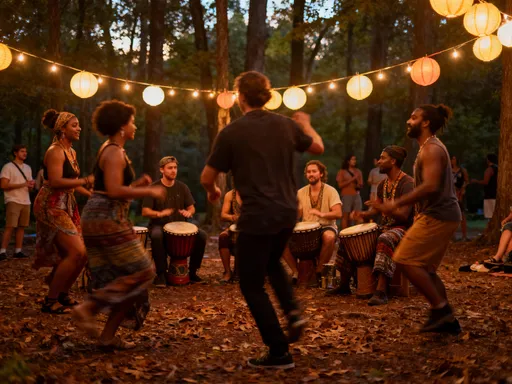
I never expected Atlanta to have such vibrant, under-the-radar festival culture. Beyond the skyscrapers and busy streets, locals celebrate with passion, color, and music most tourists never see. I stumbled upon a drum circle in a forest park, danced at a rooftop Latin night, and tasted soul food at a neighborhood block party that felt like family. These aren’t polished tourist shows—they’re real, raw, and full of heart. Let me take you where the guidebooks don’t.
The Pulse of Atlanta: Why Hidden Festivals Matter
Atlanta is often celebrated for its skyline, history, and role in the civil rights movement, but its true heartbeat lies in the quiet corners where communities gather to celebrate their heritage. While millions visit the Georgia Aquarium or the World of Coca-Cola each year, fewer than 15% of tourists attend a grassroots cultural festival, according to local tourism analytics from 2023. These intimate events—organized by neighborhood associations, cultural nonprofits, and faith groups—offer a deeper understanding of the city’s layered identity. They are not designed for mass appeal but for meaning, connection, and cultural continuity.
What makes these festivals significant is their authenticity. Unlike commercialized events with corporate sponsorships and ticketed entry, many of Atlanta’s hidden festivals are free, open to all, and deeply rooted in tradition. In neighborhoods like West End, East Lake, and Vine City, festivals often emerge from generations-old practices—whether it’s a Juneteenth celebration honoring emancipation or a Caribbean heritage parade that fills the streets with soca and steelpan rhythms. These events are not performances for outsiders; they are affirmations of identity, resilience, and joy.
Equally important is the role these gatherings play in strengthening community bonds. In a city where urban development sometimes displaces long-time residents, festivals become acts of cultural preservation. They offer younger generations a chance to learn from elders, to taste family recipes, hear oral histories, and witness traditions in action. For example, the annual Sweet Auburn Spring Festival includes storytelling circles where seniors recount life during segregation, turning history into living memory. These festivals are not just celebrations—they are education, resistance, and love made visible.
Finding the Unseen: How to Discover Underground Festivals
Discovering Atlanta’s hidden festivals requires more than checking a mainstream event calendar. These gatherings are rarely advertised on billboards or promoted by tourism boards. Instead, they live in the rhythms of daily life—in church bulletins, barbershop conversations, and neighborhood WhatsApp groups. The key to finding them lies in slowing down, listening, and building genuine connections with locals. It’s not about chasing trends but about cultivating presence.
One of the most effective ways to uncover these events is through social media, but not the usual platforms. While Facebook Events and Eventbrite list larger public gatherings, the real gems are often shared on Instagram by local artists, poets, and food vendors. Following hashtags like #ATLUnderground, #BlackAtlanta, or #Southernsoulfood can lead to invitations for pop-up poetry slams, backyard cookouts, or drum circles in parks like Cascade Springs Nature Preserve. These posts are often low-key—just a time, a location, and a simple “All welcome”—but they carry deep cultural significance.
Another powerful tool is joining neighborhood newsletters. Areas like Grant Park, Morningside, and Cabbagetown have active community associations that send weekly updates about local happenings. These emails might mention a Haitian Independence Day celebration at a small community center or a West African dance workshop in a church basement. Subscribing takes only a minute, but it opens a door to events that reflect the true character of the neighborhood.
Perhaps the most rewarding method is personal connection. I learned this when a barista at a coffee shop in Edgewood handed me a flyer for a private Juneteenth cookout after noticing my curiosity about local culture. “It’s not a big thing,” she said, “just family and friends grilling, dancing, and remembering.” I attended, bringing a dish to share, and was welcomed without question. That evening, under string lights in a backyard filled with laughter and gospel music, I realized that these festivals are not just events—they are acts of trust. They open their doors to those who come with respect, not just curiosity.
A Day in the Life: Experiencing the Old Fourth Ward Jazz & Art Crawl
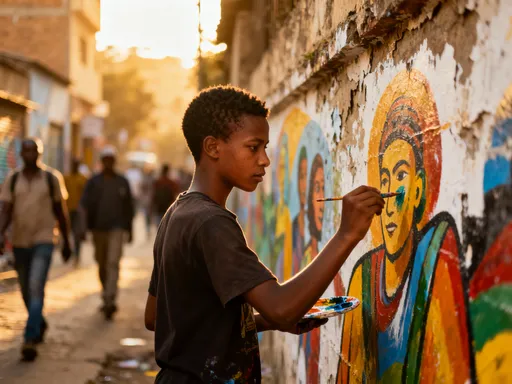
The Old Fourth Ward Jazz & Art Crawl is not an event you find on a map—it’s one you feel before you see. Held on the first Saturday of every month, this gathering transforms a historic Atlanta neighborhood into a living gallery and open-air concert hall. As you walk down Auburn Avenue, the air fills with the scent of grilled cornbread and the sound of upright bass drifting from backyard patios. Murals of civil rights leaders watch over the scene, while local artists paint new works in real time, their brushes moving to the rhythm of live jazz.
The crawl begins in the late afternoon, when galleries and studios open their doors to the public. What makes it special is its intimacy—there are no velvet ropes or security guards, just artists eager to talk about their work. One painter, a lifelong resident of the neighborhood, explained how her abstract pieces reflect the resilience of her community. “Every color tells a story,” she said, pointing to swirls of red and gold. “This is where Dr. King was born. We carry that light.”
As dusk falls, music takes over. Jazz trios set up on porches, in driveways, and even on the steps of old Victorian homes. A saxophonist once played “Georgia on My Mind” so soulfully that a crowd gathered in silence, hats in hand, until the final note faded. Children dance barefoot on the pavement, while elders rock on porch swings, nodding to the beat. It’s not a performance—it’s a conversation between generations, between art and life.
What’s remarkable is how this event has grown organically. It started as a small gathering of five artists and two musicians in 2016 and now draws over 500 attendees each month. Yet it has retained its grassroots spirit. There are no sponsors, no paid tickets, and no corporate branding. Vendors sell handmade jewelry, prints, and homemade peach cobblers, but the focus remains on connection. By the end of the night, strangers have become friends, united by music, memory, and the quiet pride of being part of something real.
Taste of the City: Food-Centric Celebrations Off the Beaten Path
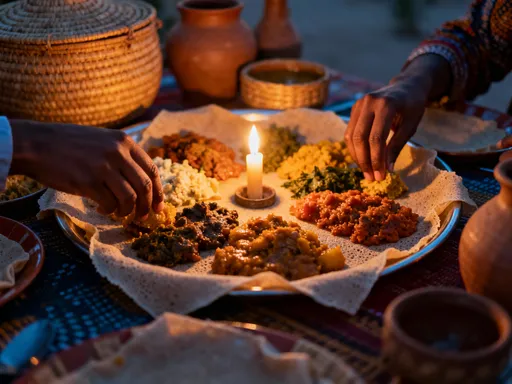
In Atlanta, food is more than sustenance—it’s storytelling. Some of the city’s most vibrant hidden festivals center around cuisine, offering a chance to taste cultures that have shaped the region’s identity. These are not food truck rallies or gourmet pop-ups but community celebrations where recipes are passed down through generations and every dish carries a history.
In Doraville, a quiet suburb northeast of downtown, the annual Vietnamese Bánh Mì Festival draws families from across the metro area. Held in a modest community center parking lot, the event features over 20 vendors, each serving their own version of the iconic sandwich. One woman, a refugee who arrived in the 1980s, uses her mother’s pickled daikon recipe, slow-cured for three days. “This is how we remember home,” she says, handing me a sandwich wrapped in parchment paper. The crunch of the baguette, the tang of the vegetables, the warmth of the pâté—it’s a flavor that speaks of survival, adaptation, and pride.
Further south in Riverdale, the West African Pepper Soup Showdown turns a local park into a fragrant celebration of heritage. The air is thick with the scent of ginger, cloves, and scotch bonnet peppers as cooks from Nigeria, Ghana, and Senegal compete for the title of best broth. But it’s not just about winning—it’s about sharing. Each vendor offers samples, explaining the significance of their ingredients. One man describes how his grandmother used pepper soup to nurse the sick. “It’s medicine,” he says with a smile. “And celebration.” Live drumming and dance performances complete the scene, turning the park into a joyful space of cultural exchange.
These food festivals are accessible and welcoming, but they require timing. Most occur on weekends between April and October, when the weather supports outdoor gatherings. They’re often promoted through local ethnic grocery stores, churches, and cultural associations. Attending one means more than eating—it means listening, learning, and honoring the stories behind the flavors. And when you leave, you don’t just carry a full stomach—you carry a deeper understanding of the people who made the meal.
Rhythm & Roots: Music Festivals That Stay Local
Atlanta’s music scene is world-famous, but its hidden festivals reveal a quieter, more intimate side of the city’s sound. While arenas host global stars, small parks, churches, and backyards host gatherings where music is not watched but lived. These events are not about fame or profit—they’re about tradition, community, and the simple joy of making music together.
In East Point, a monthly acoustic bluegrass session brings together musicians of all ages at a small community garden. There’s no stage, no amplification—just folding chairs in a circle and instruments passed from hand to hand. A grandfather teaches his grandson to play the banjo, while a woman in a sunhat sings old Appalachian ballads. The songs speak of love, loss, and the beauty of rural life, connecting modern Atlantans to the region’s Southern roots. Attendees are encouraged to sing along, and by the end of the evening, even strangers are harmonizing on “Will the Circle Be Unbroken.”
Meanwhile, in Clarkston—a neighborhood known for its refugee resettlement programs—Latin dance nights transform a community center into a lively salsa hall. Every Friday, families gather to dance, laugh, and share homemade tamales. The music ranges from classic Celia Cruz to modern reggaeton, but the spirit remains the same: movement as connection. It’s common to see elders dancing with teenagers, or newcomers being gently guided through the steps by long-time residents. There’s no judgment, only joy.
What sets these music festivals apart is their inclusivity. They don’t require tickets or fancy clothes—just a willingness to participate. In a world where live music is often expensive and exclusive, these gatherings remind us that rhythm belongs to everyone. They preserve cultural traditions while embracing new influences, creating spaces where heritage is not frozen in time but allowed to grow. And in that growth, the community grows stronger.
Seasonal Secrets: What to Chase in Each Time of Year
Atlanta’s hidden festivals follow the rhythm of the seasons, each time of year bringing its own unique celebrations. Knowing when and where to look can turn an ordinary visit into a memorable cultural journey.
In winter, when the city slows down, intimate gatherings thrive. One of the most touching is the annual Storytelling Night at the Auburn Avenue Research Library. Held in a cozy basement room, the event features elders sharing folktales, family histories, and memories of growing up in segregated Atlanta. The room is warm, the audience silent, and the stories powerful. It’s a rare chance to hear history not from a textbook, but from those who lived it.
Spring brings renewal—and festivals to match. The Decatur Kite Festival, held in a quiet suburban park, is a gentle celebration of color and flight. Families gather to fly handmade kites, many decorated with messages of hope or remembrance. Children run across the grass, laughing as their kites dip and soar. There’s no competition, no prizes—just the simple pleasure of watching something beautiful rise into the sky.
Summer is the busiest season for hidden festivals. From June to August, neighborhoods host block parties almost every weekend. One of the most beloved is the Summer Solstice Cookout in West End, where grills smoke from dusk until midnight and live go-go music pulses through the streets. It’s a celebration of community, resilience, and the long, warm nights of Atlanta summer.
Fall brings harvest and reflection. The annual Appalachian Heritage Festival in Stone Mountain honors the region’s rural roots with craft demonstrations, square dancing, and heirloom apple cider pressing. It’s a chance to connect with the land and the traditions that shaped the South. Each season, in its own way, offers a doorway into Atlanta’s soul.
Respect the Vibe: How to Be a Mindful Festival Explorer
Attending a hidden festival is a privilege, not a right. These events are not tourist attractions—they are community spaces rooted in culture, memory, and trust. To be a respectful visitor means more than showing up; it means understanding your role as a guest.
Dress appropriately. While many festivals are casual, some have cultural or religious significance that calls for modest clothing. At a Juneteenth celebration or a church-hosted event, avoiding flashy or revealing attire shows respect. When in doubt, observe what locals are wearing and follow their lead.
Ask before taking photos. These moments are personal. A grandmother dancing with her granddaughter, a family gathered around a grill, a musician lost in song—these are not performances. Always ask for permission before photographing people, and if someone declines, honor their choice without question.
Support the vendors. Many festivals rely on small donations and sales to sustain themselves. Buying a plate of food, a handmade craft, or a CD from a local musician is a direct way to give back. It’s not just spending—it’s solidarity.
Most importantly, listen more than you speak. These festivals are not about you. They are about the people who created them, who sustain them, and who welcome you into their world. Come with humility, stay with gratitude, and leave with a deeper understanding of what it means to belong.
Atlanta’s hidden festivals are not just events—they are invitations. Invitations to slow down, to connect, to celebrate the beauty of everyday life. They remind us that travel is not just about places, but about people. So step off the beaten path. Let the music lead you. Let the stories move you. And let the city’s quiet rhythms teach you what the guidebooks never could.