You Gotta See These Copenhagen Spots – Honestly, They’re Unreal
Copenhagen isn’t just hygge and bicycles—it’s a city buzzing with vibrant commercial energy waiting to be explored. From sleek design shops in Indre By to trendy boutiques in Vesterbro, the city blends style, function, and local charm like nowhere else. As someone who’s wandered these streets season after season, I’ve seen how the right neighborhoods can transform a simple trip into something unforgettable. This is your go-to guide to the real commercial heart of the Danish capital—authentic, walkable, and full of character.
The Pulse of Copenhagen: Why Commercial Areas Define the City’s Vibe
Copenhagen’s identity isn’t defined solely by its historic castles or iconic Little Mermaid statue. Instead, much of its soul pulses through the rhythm of daily life in its commercial districts. These are not mere shopping zones—they are living, breathing parts of the city where locals gather, artisans showcase their work, and urban culture unfolds in real time. The Danish approach to city planning prioritizes walkability, sustainability, and human-scale design, ensuring that every commercial street feels inviting rather than overwhelming. Stores are thoughtfully spaced, public seating is plentiful, and green spaces often blend seamlessly into retail corridors.
What sets Copenhagen apart is how effortlessly it balances beauty with practicality. Unlike cities where commerce leans heavily toward luxury chains or tourist traps, Copenhagen maintains a strong connection to local entrepreneurship. Independent boutiques, family-run delis, and design studios coexist with well-known brands, creating a layered shopping experience that reflects both tradition and innovation. This mix allows visitors to witness how Danes live—not just how they present themselves to outsiders. When you walk through a neighborhood like Nørrebro or Vesterbro, you're not observing a curated version of life; you're stepping into it.
Exploring commercial areas also offers deeper cultural insight than visiting landmarks alone. A museum tells a story of the past, but a bustling market or a quiet side street lined with specialty shops reveals how people live today. In Copenhagen, shopping is never just about consumption—it’s about connection. Whether it’s chatting with a cheesemonger at Torvehallerne or browsing hand-thrown ceramics at a weekend craft fair, these interactions create meaningful memories. For the thoughtful traveler, especially one who values authenticity and everyday elegance, Copenhagen’s commercial districts offer an unparalleled window into Scandinavian lifestyle values: simplicity, quality, and community.
Indre By: Where Tradition Meets Trend
At the heart of Copenhagen lies Indre By, the city’s original core and one of Europe’s most walkable urban centers. This historic district is where medieval alleyways meet modern retail, creating a dynamic blend of old and new. At its center runs Strøget, one of the longest pedestrian shopping streets in Europe, stretching over 1.1 kilometers and connecting several key squares. While international brands like H&M and Zara have a presence here, the true charm of Indre By lies in the side streets and hidden courtyards where independent designers, bookshops, and specialty stores thrive.
Magasin du Nord, a grand department store with a striking neoclassical façade, anchors one end of Strøget and offers everything from Danish fashion to premium cosmetics. But just steps away, in smaller lanes like Pilestræde and Købmagergade, you’ll find boutiques showcasing slow fashion, minimalist jewelry, and sustainable textiles. These shops reflect the Danish design ethos: clean lines, natural materials, and timeless appeal. Many are owned by local designers who prioritize craftsmanship over mass production, making them ideal spots for finding unique gifts or personal keepsakes.
What makes shopping in Indre By special is how seamlessly it integrates into daily life. Locals don’t come here just for leisure—they stop by to pick up groceries at Irma Market, meet friends for coffee at a corner café, or browse stationery at a family-run shop. The rhythm of the neighborhood feels natural, unhurried, and inclusive. Even during peak tourist seasons, the area retains its residential warmth. For visitors, this means an opportunity to experience Copenhagen as a living city rather than a postcard image. Walking through Indre By, you begin to understand how Danes value convenience without sacrificing charm, efficiency without losing humanity.
Nørrebro: The Cultural Melting Pot with a Creative Edge
Nørrebro stands out as one of Copenhagen’s most diverse and artistically vibrant neighborhoods. Once a working-class district, it has evolved into a hub of cultural exchange, fueled by a large immigrant population and a thriving creative community. Its commercial spine—Nørrebrogade—is lined with grocery stores offering ingredients from Somalia, Turkey, and Thailand, alongside vegan bakeries, secondhand bookshops, and independent coffee roasters. This blend of global flavors and local innovation makes Nørrebro a destination for those who seek authenticity over polish.
The commercial energy here is palpable but never overwhelming. Along Sortedam Dossering, a quieter stretch near the lake, small design studios and artisanal workshops occupy converted warehouses. You might stumble upon a ceramicist shaping mugs in her sunlit studio or a tailor hand-finishing linen garments. Street art covers many building facades, adding color and commentary to the urban landscape. These artistic expressions are not confined to galleries—they’re part of everyday life, reflecting the neighborhood’s bold, unapologetic spirit.
One of Nørrebro’s most beloved gathering spots is Assistens Cemetery, not as a place of mourning but as a park-like space where locals picnic, read, or play music. Nearby, on Runddelen, small cafés double as community hubs, hosting open mic nights and neighborhood meetings. The commercial life here supports social connection—whether it’s a vinyl shop hosting live jazz sets or a kombucha bar serving locally brewed drinks. For travelers who appreciate grassroots culture, Nørrebro offers a refreshing contrast to more polished districts. It’s a place where creativity flourishes organically, and commerce serves people, not just profits.
Vesterbro: Trendy, Gritty, and Full of Life
Vesterbro, once an industrial and port-adjacent neighborhood, has undergone one of Copenhagen’s most dramatic transformations. In the past, it was known for its working docks and red-light district; today, it’s a magnet for creatives, entrepreneurs, and young families drawn to its edgy charm and dynamic energy. Istedgade, the main commercial strip, exemplifies this evolution—where old brick warehouses now house vintage clothing stores, design ateliers, and craft beer bars.
The shopping experience in Vesterbro is distinctly curated. Rather than chain stores, you’ll find concept boutiques that blend fashion, home goods, and art under one roof. Stores like Vintage King and Second Time Around offer carefully selected pre-loved garments, appealing to eco-conscious shoppers who value sustainability. Meanwhile, design studios showcase handmade furniture, textiles, and lighting that embody the best of Scandinavian minimalism. Even the grocery options reflect a discerning taste—small organic markets stock locally sourced produce, artisanal cheeses, and house-made preserves.
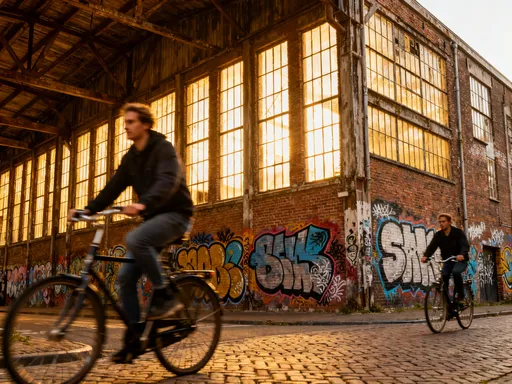
What truly defines Vesterbro is its balance of grit and elegance. Graffiti murals sit beside beautifully restored facades, and hole-in-the-wall taco stands share the street with Michelin-recognized restaurants. The neighborhood doesn’t try to erase its past; instead, it embraces it, allowing layers of history to coexist with modern innovation. This authenticity resonates with visitors looking for something real—a place that feels lived-in, not manufactured. Whether you’re sipping cold brew at a bike-friendly café or browsing handmade soaps at a weekend market, Vesterbro invites you to slow down and savor the details.
Østerbro: Understated Elegance and Local Flair
If Vesterbro is Copenhagen’s cool younger sibling, Østerbro is the thoughtful older one—calm, refined, and deeply rooted in community life. Located just north of the city center, this residential neighborhood exudes quiet sophistication. Its commercial life centers around Blegdamsvej and Nordre Frihavnsgade, tree-lined avenues where strollers, cyclists, and dog walkers mingle with shoppers carrying paper bags from boutique stores.
Here, retail is less about spectacle and more about substance. You’ll find high-quality homeware shops offering linen bedding, hand-glazed tableware, and wooden toys made from sustainable wood. Children’s fashion boutiques specialize in durable, stylish clothing designed to last through seasons and siblings. Organic grocery stores like Torvehallerne Østerbro provide fresh, seasonal produce, house-made bread, and dairy from small farms. These shops cater to families who value longevity, safety, and environmental responsibility—principles deeply embedded in Danish parenting culture.
What makes Østerbro special is its sense of continuity. Generations of families have lived here, and many local businesses have been operating for decades. A bakery might still use the same sourdough starter from the 1950s; a toy store could display the same wooden rocking horse model for years. This consistency creates a comforting rhythm, a feeling that things are made to last. For travelers seeking a glimpse into everyday Danish domestic life, Østerbro offers a peaceful, uplifting vision of urban living—where beauty is found in routine, and commerce supports well-being.
Beyond the Center: Harbor Markets and Pop-Up Culture
Copenhagen’s commercial innovation extends far beyond traditional streets and malls. In recent years, the city has reimagined its waterfront spaces as dynamic hubs of temporary retail, food, and culture. One standout example is Reffen, a sprawling street food market built on a former industrial island in the South Harbor. Open seasonally, it brings together over 60 food trucks and stalls serving global cuisines—from Korean bibimbap to Danish smørrebrød—prepared with a focus on sustainability and local sourcing.
Reffen operates under a strict environmental code: vendors must use compostable packaging, minimize waste, and avoid single-use plastics. The market’s layout encourages exploration, with communal seating, live music stages, and pop-up shops selling handmade goods. It’s not just a place to eat—it’s a social event, a gathering ground for locals and visitors alike. The energy is festive yet relaxed, embodying the Danish ideal of *hygge* in a modern, inclusive format.
Another exciting space is Papirøen, or “Paper Island,” once a paper storage site and now a vibrant destination for food, art, and design. During warmer months, floating pavilions host pop-up restaurants and craft vendors, while outdoor installations transform the docks into an open-air gallery. These temporary markets reflect Copenhagen’s flexible, experimental approach to urban development. Instead of permanent, high-cost constructions, the city embraces modular, low-impact solutions that can evolve with community needs.
This pop-up culture also extends to fashion and design. Throughout the year, temporary retail villages appear in unused lots or under bridges, featuring emerging designers, eco-friendly brands, and collaborative studios. These spaces give new entrepreneurs a low-barrier entry into the market while offering shoppers fresh, rotating experiences. For visitors, they provide a chance to discover cutting-edge trends before they go mainstream. More importantly, they demonstrate how Copenhagen views commerce not as static, but as a living, adaptive force.
Smart Shopping: How to Navigate Commercial Areas Like a Local
To fully appreciate Copenhagen’s commercial landscape, it helps to adopt a few local habits. First, consider timing. Weekdays, especially Tuesday through Thursday, are ideal for a more relaxed shopping experience. Mornings tend to be quieter, while afternoons bring a steady flow of locals running errands. Weekends are livelier, particularly around noon, when families head out for walks and small purchases. If you’re looking to avoid crowds, aim for weekday mornings or late afternoons.
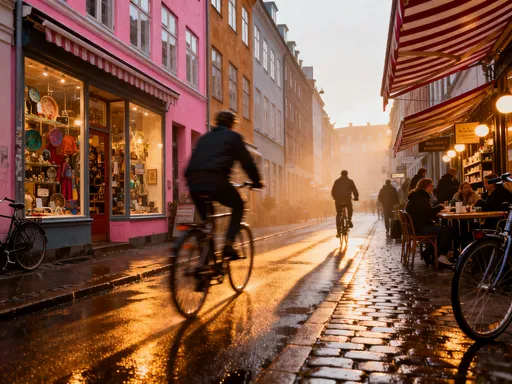
Transportation plays a key role in connecting Copenhagen’s districts. While all the neighborhoods mentioned are walkable, the city’s efficient public transit system—including buses, metro, and regional trains—makes it easy to hop between areas. However, the most authentic way to travel is by bike. Copenhagen has over 350 kilometers of dedicated bike lanes, and many commercial streets are partially or fully car-free. Renting a bicycle not only saves time but also lets you experience the city at the pace of its residents. Most shops are equipped with bike racks, and some even offer water stations for cyclists.
Understanding store hours is also essential. Many smaller boutiques open around 10 a.m. and close by 6 p.m., with longer hours on Thursdays and Fridays. Larger stores and malls may stay open until 8 p.m. Sundays are generally quieter, with only major supermarkets and tourist-oriented shops remaining open. It’s wise to plan your visits accordingly, especially if you’re targeting independent stores.
When it comes to shopping practices, Danes place a high value on sustainability and transparency. Look for labels like the Swan Ecolabel or organic certifications when buying food, clothing, or household items. Many stores proudly display their sourcing policies, and staff are usually happy to explain where products come from and how they’re made. Returns are typically accepted within 14 days, provided the item is unused and in original packaging—though policies vary by store, so it’s best to ask.
Finally, remember that great finds don’t always come from big discounts. In Copenhagen, value is measured by quality, durability, and design—not price alone. That said, there are ways to shop smart. Outlet sections in department stores, end-of-season sales (especially in January and June), and weekend flea markets offer opportunities to find well-made items at lower prices. The key is patience and curiosity. Whether you’re browsing a vintage shop in Vesterbro or sampling cheeses at a local market, let the experience guide you. The best souvenirs aren’t always things you buy—they’re the moments you remember.
Conclusion
Copenhagen’s commercial areas are more than places to shop—they’re windows into Danish lifestyle, design philosophy, and community values. By exploring these neighborhoods with curiosity and respect, travelers gain not just souvenirs, but lasting impressions of how city life can be both efficient and deeply human. The real magic isn’t in what you buy—it’s in how the city makes you feel. From the historic charm of Indre By to the creative pulse of Nørrebro, from the polished edge of Vesterbro to the quiet grace of Østerbro, each district tells a story of balance: between old and new, practicality and beauty, individuality and togetherness.
The harbor markets and pop-up spaces further reveal a city unafraid to innovate, to repurpose, and to invite participation. Copenhagen doesn’t just sell products—it offers experiences rooted in sustainability, craftsmanship, and human connection. For the thoughtful traveler, especially one who values authenticity and mindful living, these commercial landscapes provide a rich, rewarding journey. So walk slowly, engage warmly, and let the rhythm of the city guide you. Because in Copenhagen, every street corner, every small shop, every shared smile over a coffee counter is part of a larger story—one of everyday elegance, quiet joy, and enduring design.