You Gotta See These Hidden Gems in Ouagadougou’s Coolest Districts
Ouagadougou isn’t just the capital of Burkina Faso—it’s a city of rhythm, color, and unexpected charm. I hit the streets with no script, just curiosity, and discovered how each district tells its own story. From buzzing markets to quiet artist corners, this city surprised me at every turn. If you're looking for real African urban life—raw, warm, and alive—this is it. Walking through its neighborhoods feels like turning the pages of a living journal, one where tradition and modernity write side by side. The air carries the scent of grilled brochettes and fresh shea butter, while voices rise in Dioula, Mooré, and French, blending into a daily symphony. This is not a city that performs for tourists; it simply lives, breathes, and invites you to witness its truth.
Introduction to Ouagadougou: More Than Just a Capital
Ouagadougou, affectionately called “Ouaga” by locals, stands as the political, cultural, and economic heartbeat of Burkina Faso. Nestled in the central plateau region of West Africa, it is home to over two million people and serves as the gateway to the country’s diverse ethnic communities and artistic traditions. Unlike more widely traveled capitals in the region, Ouagadougou remains refreshingly unpolished—a city that values authenticity over spectacle. Its flat terrain makes it ideal for exploration on foot or by bicycle, though most visitors rely on motorized taxis known as “bush taxis” or ride-hailing services that have become increasingly common in recent years.
The climate here is typical of the Sahel—hot and dry for much of the year, with a brief but lush rainy season between June and September. When you arrive, especially during the dry months, the sun dominates the sky, casting sharp shadows across red laterite walls and dusty sidewalks. Yet this arid brilliance brings out the city’s vibrant side: markets burst with color, murals cover public buildings, and music spills from open-air cafés. The urban layout follows a semi-organized grid, with major districts radiating outward from the city center, each developing its own identity over time.
Exploring Ouagadougou by district offers a far richer experience than any standard city tour. Each neighborhood functions almost like a small town within the capital, with its own rhythm, economy, and cultural flavor. Some areas pulse with bureaucratic energy, others hum with creative life, and still others maintain deep ties to rural traditions. This layered identity makes Ouaga an ideal destination for travelers who appreciate depth over dazzle—those who want to understand not just what a city looks like, but how it feels to live in it. By moving from district to district, you begin to see the full spectrum of urban West African life.
Plateau – The Administrative Pulse
If Ouagadougou has a formal face, it is the Plateau district. As the administrative core of the city, Plateau hosts Burkina Faso’s most important government buildings, including the Presidency, the National Assembly, and numerous ministries. Wide boulevards lined with neoclassical-style structures give the area a sense of order and authority. Embassies and international organizations are also clustered here, adding to its diplomatic weight. While it may not offer the lively street markets or artistic flair of other neighborhoods, Plateau provides a crucial window into the country’s governance and institutional life.
For visitors, the best time to explore Plateau is in the early morning or late afternoon, when the heat is less intense and government offices are active. Security is generally well maintained in this area, with checkpoints near key buildings, but it’s wise to remain aware of your surroundings and avoid photographing sensitive sites. A respectful walking route might begin at the Independence Monument, a striking bronze sculpture commemorating Burkina Faso’s liberation from French colonial rule. From there, a stroll along Avenue Kwame Nkrumah offers views of grand public architecture and manicured roundabouts.
Though the atmosphere is formal, small pockets of warmth can be found in the local cafés tucked between offices. These spots serve strong Burkinabé coffee, sweet millet-based porridge, and freshly baked baguettes—perfect for a midday break. Some even feature quiet terraces where civil servants unwind between meetings. While Plateau may not be the most colorful district, it plays a vital role in the nation’s story. Walking through it, you feel the weight of history and the steady pulse of civic responsibility—an essential layer of Ouaga’s identity.
Ouaga 2000 – Urban Comfort and Convenience
Just south of the city center lies Ouaga 2000, a planned neighborhood designed to blend modern infrastructure with urban comfort. Developed in the 1980s with support from international partners, this district stands out for its wider roads, reliable electricity, and well-maintained green spaces. It has become a preferred area for expatriates, diplomats, and business travelers seeking a more predictable urban environment. Yet despite its modern feel, Ouaga 2000 remains deeply connected to local life—markets, mosques, and street vendors thrive alongside supermarkets and international hotels.
For first-time visitors, this district offers an ideal base. Accommodations range from mid-range guesthouses to high-end hotels like the Mövenpick and Laico, which provide secure, air-conditioned rooms and reliable Wi-Fi. Dining options are diverse: you can enjoy French pastries at Pâtisserie Les Délices, savor grilled fish at a Lebanese restaurant, or try a fusion dish at one of the few rooftop cafés in the city. Supermarkets such as Scorex and Amsa carry imported goods, bottled water, and fresh produce, making it easier to manage dietary needs or prepare light meals.
What makes Ouaga 2000 special is not just its comfort, but its balance. While it offers modern amenities, it avoids feeling sterile or disconnected. Children play in neighborhood courtyards, women carry bundles on their heads along tree-lined sidewalks, and local tailors display colorful fabrics in open-air shops. The district’s central roundabout often hosts impromptu gatherings, especially during national holidays. For travelers adjusting to West African rhythms, Ouaga 2000 provides a gentle entry point—a place where convenience meets cultural authenticity.
Résidence Diplomatique – Culture Meets Calm
North of Ouaga 2000 lies Résidence Diplomatique, a leafy, low-density neighborhood known for its tranquility and cultural richness. As the name suggests, this area is popular with foreign diplomats, NGO workers, and local elites who appreciate its security and green spaces. But beyond its quiet streets and walled compounds, Résidence Diplomatique has emerged as a hub for Burkinabé artists, writers, and musicians. Galleries, cultural centers, and private studios are tucked into residential corners, often revealed only by hand-painted signs or the sound of drumming from a hidden courtyard.
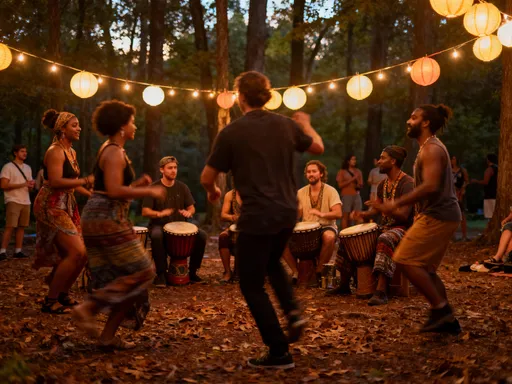
One of the highlights of this district is the Institut Français de Burkina Faso, which hosts regular art exhibitions, film screenings, and live music performances. On weekends, the nearby Sankara Cultural Center often opens its doors for craft markets featuring handmade jewelry, woven baskets, and traditional textiles like faso danfani. I once spent a Saturday afternoon there, watching a young painter demonstrate batik techniques while children danced to live djembe rhythms. Conversations with local creatives revealed a deep pride in Burkinabé heritage and a desire to share it with both locals and visitors.
What struck me most was the sense of peace in this part of the city. Unlike the constant buzz of central markets, Résidence Diplomatique moves at a slower pace. Birds chirp in the mango trees, and the air carries the scent of hibiscus and eucalyptus. Yet this calm is not isolation—it’s a space where culture is nurtured and exchanged. For travelers seeking a more reflective experience, this district offers a rare combination of serenity and artistic vitality. It proves that even in a capital city, there are quiet corners where creativity can breathe.
Kossodo – Rising Fast with Youth and Energy
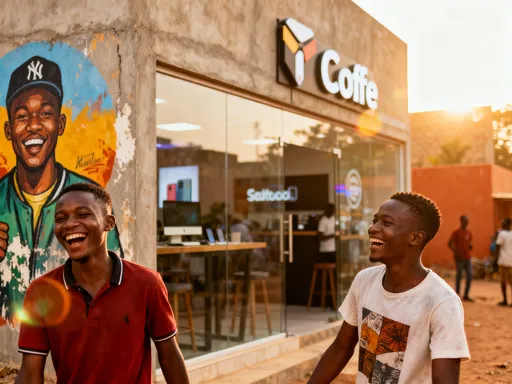
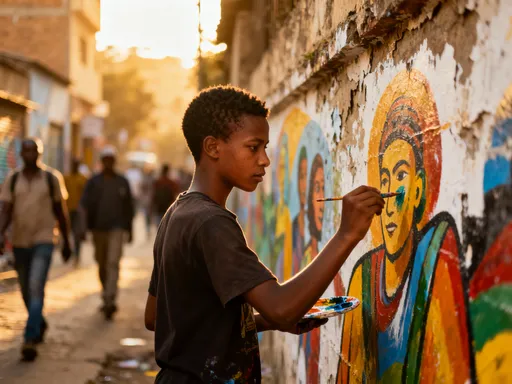
To understand Ouagadougou’s future, you must visit Kossodo. Once a quiet suburban extension, this district has transformed into one of the city’s most dynamic zones. Fueled by a growing population of young professionals, entrepreneurs, and tech-savvy creatives, Kossodo is redefining what urban life looks like in Burkina Faso. Modern boutiques, co-working spaces, and stylish cafés now line its expanding roads, many painted with bold murals celebrating innovation and national pride.
The vibe here is unmistakably youthful. On any given evening, you’ll find groups of friends sipping bissap juice at outdoor lounges or debating ideas in air-conditioned cafés with Wi-Fi. Mobile money services and digital startups are gaining traction, supported by incubators and training programs aimed at empowering the next generation. While infrastructure still faces challenges—such as intermittent electricity and ongoing road construction—the energy is palpable. New businesses open regularly, from fashion design studios to eco-friendly packaging companies, reflecting a shift toward sustainable urban entrepreneurship.
For visitors, navigating Kossodo requires some flexibility. Ride-hailing apps like Yango and local taxi networks are the most reliable transportation options, as public transit remains limited. Roads can be uneven, especially after rains, so comfortable walking shoes are recommended. Despite these challenges, the district’s momentum is inspiring. It represents a new chapter for Ouaga—one where tradition and progress are not at odds, but in conversation. Kossodo is not just growing; it is imagining what the city can become.
Tanghin – Where Tradition Meets the Urban Edge
Just beyond the official city limits lies Tanghin, a suburban district where rural roots meet urban expansion. Unlike the planned neighborhoods of Ouaga 2000 or the modern energy of Kossodo, Tanghin feels organic and grounded. Here, family compounds with mud-brick walls stand beside newer concrete homes, and goats graze near roadside vegetable stands. The pace of life is slower, shaped by agricultural rhythms and community ties that stretch back generations.
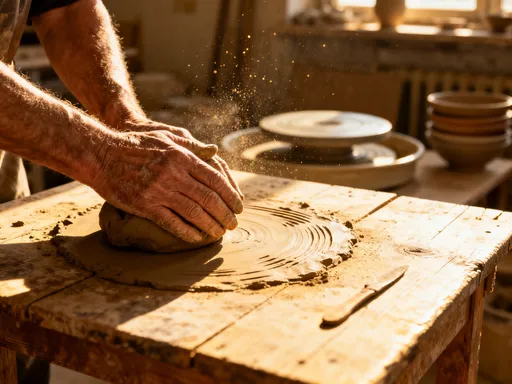
One of the most rewarding experiences in Tanghin is visiting the local pottery workshops. Artisans, many of them women, shape clay by hand using techniques passed down through families. Their creations—water jars, cooking pots, ceremonial vessels—are both functional and artistic. I watched an elder potter named Awa mold a large storage vessel with quiet precision, her hands moving as if guided by memory. Afterward, she smiled and offered me a drink of cool water from a freshly made jar, a gesture that felt deeply symbolic.
Markets in Tanghin are less commercialized than those in the city center, offering fresh produce, handmade soaps, and locally woven textiles. Community gatherings often revolve around religious festivals, harvest celebrations, or youth education programs supported by local NGOs. For visitors, the key to a meaningful experience is respect: ask permission before taking photos, greet elders with courtesy, and consider bringing a small gift if invited into a home. Transportation from central Ouaga takes about 30–45 minutes by car, depending on road conditions. While not a typical tourist destination, Tanghin offers an authentic glimpse into how many Burkinabé live—a reminder that the city’s soul extends far beyond its official borders.
The Markets: Sankara and Bobo Dioulasso Avenue
No visit to Ouagadougou is complete without immersing yourself in its markets—the true heart of daily life. Two of the most significant are the Marché de Sankara and the commercial stretch along Bobo Dioulasso Avenue. These are not just places to shop; they are sensory experiences, social hubs, and economic engines that connect every district of the city. From dawn until late afternoon, they pulse with activity: vendors shout prices, children weave through crowds, and the air fills with the aroma of spices, grilled meat, and ripe mangoes.
Marché de Sankara is the largest and most diverse. Rows of stalls overflow with colorful wax prints, hand-embroidered garments, leather sandals, and shea butter products. Food sections offer everything from dried fish and fonio grain to fresh plantains and hot sauces in recycled bottles. Bargaining is expected, but it should be done with a smile and a sense of fairness—this is not a transactional space, but a human one. I once spent an hour chatting with a vendor named Fatou, who taught me the names of different fabrics and insisted I try a sample of her homemade ginger candy. That interaction, more than any souvenir, stayed with me.
Bobo Dioulasso Avenue, meanwhile, functions as a linear market and transportation corridor. Named after Burkina Faso’s second-largest city, this busy road hosts open-air stalls, mobile phone vendors, and roadside repair shops. It’s a place of constant motion, where commerce happens on the edge of chaos. Yet within this bustle, there is order: regular customers know their preferred sellers, and trust is built over time. For safety, visitors should keep valuables out of sight, carry cash in small denominations, and avoid carrying large bags. But with mindfulness, these markets offer some of the most genuine connections a traveler can make.
Conclusion: Finding the Soul of the City, One District at a Time
Ouagadougou reveals itself slowly, neighborhood by neighborhood, conversation by conversation. Each district—from the formal halls of Plateau to the creative corners of Résidence Diplomatique, from the rising energy of Kossodo to the grounded traditions of Tanghin—adds a unique thread to the city’s fabric. Together, they form a portrait of resilience, creativity, and everyday dignity. This is not a capital that caters to checklist tourism; it invites you to slow down, observe, and engage.
The markets, with their vibrant chaos and human warmth, tie these districts together, proving that commerce here is more than exchange—it’s community. And through it all runs a quiet pride in Burkinabé identity, expressed in art, dress, language, and hospitality. For 30- to 55-year-old women who travel not just to see, but to understand, Ouaga offers a rare depth. It’s a place where you can sip tea with a potter in Tanghin, admire a painting in a quiet gallery, and haggle for fabric in a bustling market—all in a single day.
Traveling here is not about comfort at every moment, but about connection. It’s about learning to read the city’s rhythms and respecting its pace. As West Africa’s overlooked capitals gain attention, Ouagadougou stands as a testament to the beauty of authenticity. So come not as a spectator, but as a witness. Let the red dust settle on your shoes, listen to the stories shared over shared meals, and allow the city to unfold its layers. Because in Ouagadougou, the real journey isn’t just across geography—it’s into the heart of urban African life.