You Won’t Believe These Hidden Natural Gems in Vaduz
When you think of Vaduz, Liechtenstein, palaces and postage stamps might come to mind—but not the breathtaking protected landscapes hiding just beyond the city. I was shocked by how wild and untouched nature remains here, despite its tiny size. From alpine meadows to forest trails with panoramic views, Vaduz offers serene escapes that feel worlds away. This is a guide to the quiet beauty most travelers overlook. Nestled high in the Alps and bordered by Switzerland and Austria, this microstate of just over 160 square kilometers manages to preserve vast stretches of unspoiled terrain. While its capital may be small, Vaduz opens the door to natural wonders that rival those of its larger neighbors. In a world where untouched landscapes grow increasingly rare, Liechtenstein stands as a quiet champion of conservation, proving that even the smallest nations can safeguard nature with care and purpose.
Discovering Vaduz Beyond the Postcard
Vaduz, the capital of Liechtenstein, is often seen through the lens of its hilltop castle and renowned art museum, but its true magic lies in what surrounds it. Perched along the eastern bank of the Rhine River and cradled by the foothills of the Alps, the city serves as a gateway to some of Europe’s most serene and well-preserved natural spaces. Unlike larger alpine destinations that face overtourism, Vaduz remains refreshingly under the radar, allowing visitors to experience nature in its purest form. Within minutes of leaving the city center, paved streets give way to forest paths, meadows dotted with wildflowers, and trails that climb gently into the mountains.
What makes Vaduz exceptional is not just its proximity to nature, but the cultural reverence for it. Liechtensteiners have long lived in harmony with their environment, recognizing that their country’s survival depends on sustainable stewardship. This respect is reflected in national policies, local customs, and everyday life. Protected areas are not afterthoughts—they are central to national identity. The government actively maintains hiking trails, supports ecological research, and limits development in sensitive zones. As a result, the natural landscape around Vaduz is not merely scenic; it is a living, breathing ecosystem that thrives because of intentional care.
For travelers, this means access to pristine environments without sacrificing safety or convenience. Well-marked trails, clean rest areas, and clear signage make exploration accessible even for those unfamiliar with alpine terrain. Families, solo hikers, and casual walkers alike can venture out with confidence. The compact size of the country ensures that no matter where you are in Vaduz, you are never far from a trailhead or a quiet grove perfect for reflection. This seamless integration of urban life and wild nature is rare—and deeply rewarding.
The Alps at Your Doorstep: Hiking in the Nature Reserves
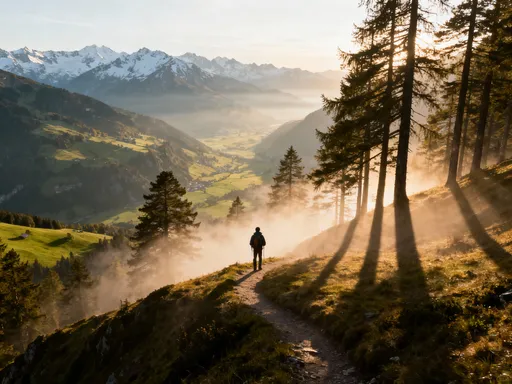
One of the most accessible ways to experience Vaduz’s natural beauty is through its network of hiking trails, many of which lead into officially protected areas. The path to Vaduz Castle, while popular, is just the beginning. A short but rewarding climb from the city center offers sweeping views of the Rhine Valley and the Alps beyond. Along the way, hikers pass through mixed forests of beech, spruce, and pine, where the air is crisp and the only sounds are rustling leaves and distant bird calls. This trail, though well-trodden, remains peaceful due to visitor limits and thoughtful trail design that disperses foot traffic.
For those seeking a deeper immersion, the Oberlauf des Flusses Rhein nature reserve provides an exceptional opportunity. This protected stretch of the upper Rhine River and its surrounding slopes is home to diverse plant and animal life, including several species found nowhere else in the region. Trails here range from gentle riverside walks to more challenging ascents that reward hikers with panoramic views of snow-capped peaks. The terrain is varied—rocky outcrops, shaded woodlands, and open meadows all feature in a single hike—making each journey uniquely engaging.
All trails in and around Vaduz are clearly marked with color-coded signs and distance indicators, ensuring that even first-time visitors can navigate with ease. Difficulty levels are accurately labeled, with most routes suitable for intermediate hikers. Spring and summer offer the most favorable conditions, though autumn brings golden foliage that transforms the landscape into a painter’s dream. Winter hiking is possible in lower elevations, provided visitors are equipped for icy paths and cooler temperatures.
Equally important is the commitment to preserving these trails. Visitors are encouraged to stay on marked paths to avoid damaging fragile alpine vegetation. In higher altitudes, soil erosion is a real concern, and even a single footstep off-trail can have lasting consequences. Local authorities reinforce these guidelines through signage and ranger patrols, ensuring that the beauty of these reserves endures for future generations.
Glimpses of Wilderness: The Importance of Protected Zones
The natural areas surrounding Vaduz are not preserved by accident. They are part of a deliberate and scientifically informed conservation strategy. Several zones near the city hold official protected status under Liechtenstein’s environmental laws, which align with broader European ecological frameworks. These designations are based on rigorous assessments of biodiversity, soil stability, water quality, and habitat connectivity. Areas rich in rare flora—such as alpine gentians, edelweiss, and native orchids—are given special protection to prevent overharvesting and habitat loss.
One of the most ecologically significant regions is the Rhine floodplain, which acts as a natural water filter and supports a wide array of bird and insect species. Wetland preservation here helps regulate river flow, reduces flood risk, and provides a sanctuary for migratory birds. The government monitors water quality regularly and restricts agricultural runoff and industrial activity in nearby zones. These efforts have led to measurable improvements in ecosystem health, including the return of species once considered locally extinct.
Liechtenstein’s conservation success is also due to cross-border collaboration. As part of the Alpine Rhine Valley Initiative, the country works closely with Switzerland and Austria to manage shared ecosystems. Joint reforestation projects, wildlife corridor expansions, and coordinated anti-pollution measures ensure that environmental protection extends beyond political boundaries. This regional approach recognizes that nature does not adhere to maps—and effective conservation must be equally fluid.
Tourism is carefully balanced with ecological responsibility. While visitors are welcome, access to sensitive areas is regulated. Some meadows are closed during nesting season, and certain trails may be temporarily restricted to allow vegetation to recover. These measures are not meant to exclude but to ensure long-term sustainability. By prioritizing the health of the land over short-term visitor numbers, Liechtenstein sets a powerful example of how tourism and conservation can coexist.
Walking the Rhine Valley Trail: A Journey Through Tranquility
One of the most scenic and accessible routes near Vaduz is the Rhine Valley Trail, a well-maintained path that follows the winding course of the Rhine River. Stretching from the outskirts of Vaduz through Schaan and into Triesen, this trail offers a peaceful journey through riparian forests, open fields, and quiet riverbanks. Cyclists and hikers share the path, moving at a relaxed pace that encourages mindfulness and connection with nature. The gentle grade makes it ideal for families, seniors, and anyone seeking a low-impact outdoor experience.
Along the way, visitors are treated to stunning views of the river, where clear waters reflect the sky and surrounding hills. Herons stalk the shallows, kingfishers dart between reeds, and swallows glide overhead. In spring and early summer, the banks burst with greenery—willows dip their branches into the water, wild mint perfumes the air, and yellow iris bloom in vibrant clusters. Benches and viewing platforms are thoughtfully placed, inviting travelers to pause and absorb the serenity.
The trail is also a practical link between towns, promoting sustainable transportation. Many locals use it to commute by bike, reducing car dependency and carbon emissions. Bike rental stations in Vaduz and Schaan make it easy for tourists to join in, with well-maintained bicycles available by the hour or day. Helmets and repair kits are often included, emphasizing safety and preparedness.
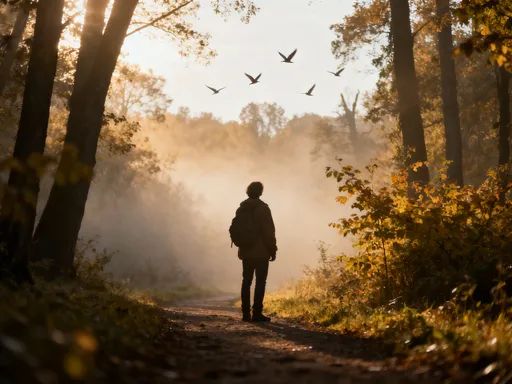
Best visited in the morning or late afternoon, the Rhine Valley Trail avoids the midday heat and offers the soft light perfect for photography. Early risers may catch mist rising off the water, creating an ethereal atmosphere. Evening walkers enjoy the golden hour glow as the sun dips behind the mountains. Whether you walk a short segment or the full route, the experience is consistently calming—a reminder of how nature can restore balance in our busy lives.
Alpine Meadows and Forests: Seasonal Beauty Uncovered
The landscape around Vaduz undergoes a remarkable transformation with each season, offering distinct experiences throughout the year. In spring, the hillsides come alive with color as snowmelt feeds a carpet of wildflowers. Crocus, snowdrops, and alpine anemones emerge first, followed by daffodils and gentians. This fleeting bloom lasts only a few weeks but draws botanists and nature lovers eager to witness the rebirth of the land.
Summer brings lush green pastures, where cattle graze under the watchful eye of local farmers. These traditional alpine pastures, known as alps, are maintained using age-old methods that support biodiversity. Rotational grazing prevents soil depletion, and the absence of chemical fertilizers preserves native plant species. The sound of cowbells echoing through the valleys adds to the pastoral charm, evoking a way of life that has endured for centuries.
Autumn paints the region in warm hues—golden larch trees, crimson rowan berries, and amber beech forests create a mosaic of color. This is a favorite time for photographers and hikers, as the cooler temperatures make long walks more comfortable. Fungi flourish in the damp forest floor, and the air carries the earthy scent of decaying leaves. It is a season of quiet preparation, as the land readies itself for winter’s rest.
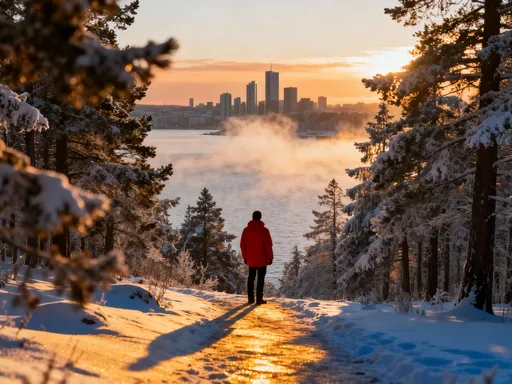
Winter transforms the area into a serene, snow-covered landscape. While some higher trails close due to avalanche risk, lower routes remain accessible for snowshoeing and winter walking. The silence is profound—broken only by the crunch of boots on fresh snow or the distant call of a raven. Frost-laden branches glisten in the sunlight, and frozen streams sparkle like glass. For those who appreciate stillness, winter in Vaduz offers a rare opportunity to experience nature in its most hushed and contemplative state.
How to Visit Responsibly: Etiquette in Nature
Visiting Vaduz’s natural areas is a privilege, and with it comes the responsibility to protect these fragile environments. The principles of low-impact travel are simple but essential. First and foremost, visitors should pack out all trash, including food wrappers, tissues, and biodegradable items like fruit peels, which can disrupt local ecosystems. Carrying a small reusable bag ensures that nothing is left behind.
Staying on designated trails is another critical rule. Alpine soils are slow to recover from damage, and trampling vegetation can lead to erosion and habitat loss. Signs may seem unnecessary in open meadows, but they are placed with ecological sensitivity. Venturing off-path, even to get a better photo, can have unintended consequences. Respect for wildlife is equally important—observing animals from a distance, avoiding feeding them, and keeping noise levels low help maintain their natural behaviors.
Local regulations should be followed without exception. This includes respecting trail closures, adhering to fire restrictions, and observing quiet hours in shared spaces. Dogs must be kept on leashes to prevent disturbance to birds and small mammals. These rules are not arbitrary; they are based on years of ecological study and are designed to protect both visitors and the environment.
The Leave No Trace framework offers a helpful guide for responsible travel. Its seven principles—plan ahead, travel on durable surfaces, dispose of waste properly, leave what you find, minimize campfire impacts, respect wildlife, and be considerate of others—apply perfectly to the landscapes around Vaduz. By following them, visitors contribute to the long-term preservation of these natural gems, ensuring they remain unspoiled for future generations.
Why These Places Matter—And Why You Should Care
In an age of rapid urbanization and climate change, small protected areas like those near Vaduz play an outsized role in global conservation. They serve as biodiversity refuges, climate regulators, and sources of clean water and air. But beyond their ecological function, they offer something equally vital: a space for human renewal. In the quiet of an alpine meadow or along a riverside path, people reconnect with themselves and the natural world. These moments of peace are not luxuries—they are necessities for mental and emotional well-being.
Vaduz reminds us that size does not determine significance. Though Liechtenstein is one of the world’s smallest countries, its commitment to nature sets a standard others can follow. Its success proves that conservation is not just for vast wildernesses—it can thrive in compact, inhabited landscapes when guided by care and foresight. Every protected meadow, every restored wetland, every well-maintained trail is a testament to what is possible when communities value nature as a shared inheritance.
As travelers, we have the power to support such efforts wherever we go. Choosing to visit responsibly, respecting local guidelines, and advocating for protected areas in our own communities are actions that ripple outward. The beauty of Vaduz’s hidden landscapes is not just in their scenery, but in what they represent—a world where people and nature coexist with mutual respect. By seeking out and cherishing these places, we become stewards of a legacy that transcends borders and generations. Let Vaduz inspire your next journey—not just to see, but to protect.