You Won’t Believe What Hidden Gems Novi Sad’s Local Makers Are Crafting
Tucked away on the banks of the Danube, Novi Sad isn’t just about festivals and fortresses—its soul lives in the hands of local artisans. I wandered beyond the tourist trails and discovered specialty products you won’t find anywhere else: from smoked paprika steeped in family tradition to handmade slivovitz aged in oak barrels. This city’s quiet creativity is mind-blowing. If you’re craving authentic, off-the-beaten-path experiences, let me show you the real craft behind the culture.
Beyond the Beaten Path: Why Novi Sad’s Niche Crafts Matter
Novi Sad, the second-largest city in Serbia, is often celebrated for its vibrant EXIT Festival and the imposing Petrovaradin Fortress that overlooks the Danube River. While these landmarks draw thousands each year, the city’s deeper cultural layers unfold in quieter, more intimate spaces—small workshops, weekend markets, and rural homesteads where local makers preserve centuries-old traditions. These artisans are not performing for tourists; they are living their heritage, one handcrafted item at a time. Their work reflects a resilience and pride that cannot be replicated in mass production.
What sets Novi Sad’s crafts apart is their authenticity. Unlike souvenir shops selling imported trinkets, the city’s true treasures are born from necessity, seasonality, and generational knowledge. A jar of homemade ajvar isn’t just a condiment—it’s the product of late summer harvests, family gatherings, and open-fire roasting that fills entire courtyards with smoky sweetness. A hand-embroidered tablecloth carries geometric patterns passed down from grandmothers, each stitch a silent story of identity and belonging. These items are not merely decorative or consumable; they are cultural artifacts.
For travelers seeking meaningful experiences, engaging with these crafts offers a deeper connection to place. Instead of checking off landmarks, you begin to understand how people live, eat, celebrate, and remember. This shift—from sightseeing to sensing—transforms a trip into a journey of empathy and appreciation. By supporting local artisans, visitors contribute directly to the preservation of intangible heritage. In a world where globalization threatens to homogenize cultures, Novi Sad’s niche crafts stand as quiet acts of resistance and continuity.
The Taste of Tradition: Paprika, Pickles, and Homemade Delicacies
One of the most powerful ways to experience Novi Sad’s culture is through its food. The region’s fertile plains and continental climate create ideal conditions for growing peppers, tomatoes, plums, and herbs—ingredients that form the backbone of Serbian home cooking. In late summer and early autumn, the rhythm of life slows to accommodate preservation. Families gather to roast red peppers, peel tomatoes, and fill jars with pickled vegetables, creating stores that will last through the winter. These seasonal rituals are not just practical; they are social events that strengthen community bonds.
Ajvar, often called the “caviar of the Balkans,” is perhaps the most iconic of these preserves. Made primarily from roasted red peppers, eggplant, garlic, and sunflower oil, it is slow-cooked for hours until it reaches a velvety consistency. Each household has its own variation—some add a touch of sugar, others a hint of chili for heat. The best ajvar is not found in supermarkets but at local markets like Liman or Šeljo, where elderly women sell small batches in recycled glass jars. The deep crimson color, the smoky aroma, the rich texture on toasted bread—it’s a sensory experience that lingers long after the last bite.
Equally important are the pickled vegetables, known as turšija. Cucumbers, cabbage, carrots, and even watermelon rinds are submerged in brine and left to ferment, creating tangy, crunchy accompaniments to heavy meat dishes. These are not mere side dishes; they are digestive aids and flavor enhancers, essential to the balance of a traditional meal. Then there are the dried sausages—kobasice and kulen—smoked over beech or applewood, their spicy, fatty richness a testament to the skill of local butchers. These delicacies are often made in family-run smokehouses just outside the city, where recipes have remained unchanged for generations.
For visitors, tasting these foods is not just about flavor—it’s about participation. Many families welcome guests into their homes during harvest season, offering a chance to help with peeling or stirring. Some agritourism farms near Novi Sad organize workshops where travelers can learn to make ajvar or pickle vegetables. These hands-on experiences create lasting memories and deepen understanding of the labor and love behind every jar.
Slivovitz & Serbian Spirits: More Than Just a Drink
No exploration of Novi Sad’s artisanal culture would be complete without mentioning slivovitz, Serbia’s national brandy made from fermented plums. More than just an alcoholic beverage, slivovitz is a symbol of hospitality, resilience, and celebration. Every autumn, when plum trees sag under the weight of ripe fruit, families across the region gather to harvest and distill. The process is both scientific and ritualistic, requiring careful fermentation, precise temperature control, and patience as the spirit ages in oak or mulberry barrels.
While industrial versions exist, the most prized slivovitz comes from small-scale distillers in villages surrounding Novi Sad. These craft producers often use heirloom plum varieties and traditional copper stills, resulting in a spirit with complex notes of fruit, spice, and wood. Some age their brandy for over a decade, creating a golden liquid that is smooth rather than harsh. Tasting slivovitz is a ceremonial act—typically served in small glasses at room temperature, sipped slowly after a meal. It is never rushed, always accompanied by conversation and respect.
Visitors can experience this tradition firsthand by visiting rural distilleries or attending local festivals such as the Plum Festival in nearby Sremska Mitrovica. Many producers welcome guests for tours and tastings, explaining the distillation process and sharing stories of family harvests. For those who do not drink alcohol, there are non-alcoholic alternatives such as šipovnica (rosehip syrup) or herbal infusions made from wild thyme, mint, or St. John’s wort. These syrups, often homemade and bottled in simple glass containers, offer a taste of the region’s botanical richness without the burn of brandy.
It’s important to approach slivovitz with cultural sensitivity. Offering a glass to a guest is a gesture of trust and warmth; refusing outright may be seen as impolite. If you cannot consume alcohol, it’s best to accept the glass, offer a toast, and sip minimally while explaining your preference. This small act of respect goes a long way in building connection. Whether you drink it or not, slivovitz represents a deeper truth about Serbian culture: that the best things in life are made slowly, shared generously, and cherished deeply.
Handmade with Heart: Textiles, Ceramics, and Craft Markets
Beyond food and drink, Novi Sad’s creative spirit shines in its textiles, pottery, and woodcraft. These handmade goods are not tourist novelties but functional art rooted in rural life. Traditional embroidery, known as vezenje, features intricate geometric and floral patterns in red, black, and white thread. These designs are more than decorative—they often signify regional identity, marital status, or spiritual protection. A woman’s apron from Vojvodina, for example, may include motifs that ward off evil spirits or celebrate fertility.
Today, a new generation of artisans is reviving these traditions while adapting them to modern tastes. Independent studios in Novi Sad’s old town offer hand-embroidered scarves, table runners, and children’s clothing, blending ancestral patterns with contemporary cuts. Some use natural dyes and organic cotton, aligning with global slow-fashion movements. Visitors can meet these makers at weekend craft fairs such as the Artisan Market at Dunavska Street or the Eco Market in Ribarska Ada, where local producers gather to sell their work directly to the public.
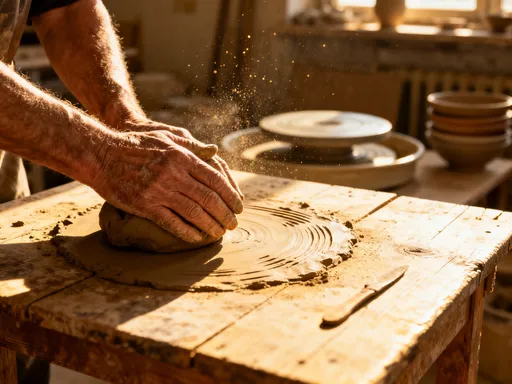
Pottery is another enduring craft, with roots stretching back to ancient Illyrian and Roman settlements in the region. Local potters use clay sourced from the Danube basin, shaping it on foot-powered wheels and firing it in wood-burning kilns. The resulting pieces—earthenware bowls, pitchers, and tagines—are both beautiful and functional, designed for cooking, serving, or storing food. Many potters incorporate traditional motifs such as spirals or sun symbols, connecting modern craftsmanship to prehistoric symbolism.
Woodworking, too, remains a vital tradition. Skilled carpenters create everything from carved spoons and cutting boards to ornate furniture and religious icons. These items are often made from local walnut, oak, or plum wood, chosen for their durability and grain. Some artisans specialize in making tamburicas, the stringed instruments central to Serbian folk music. Owning a hand-carved spoon or a small ceramic bowl is more than acquiring a souvenir—it’s adopting a piece of living history, shaped by hands that honor the past while creating for the future.
Where to Find These Treasures: Markets, Workshops, and Hidden Shops
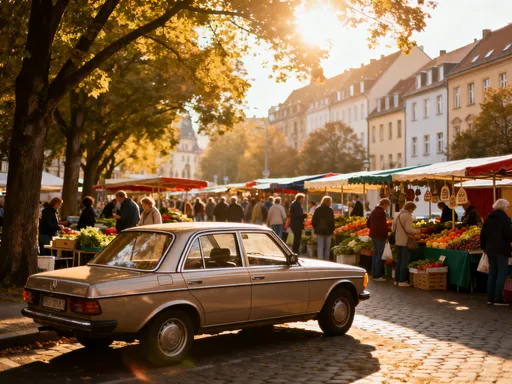
For travelers eager to discover Novi Sad’s artisanal offerings, the city and its surroundings provide numerous access points. The most accessible is the Liman Market, a bustling open-air bazaar where local farmers and home producers sell fresh produce, homemade preserves, cheeses, and baked goods. Early mornings are the best time to visit, when stalls are fully stocked and vendors are most welcoming. Look for elderly women with handwritten signs—“Domaci Ajvar” or “Slivovica Ručno Pravljena”—as these often indicate authentic, small-batch products.
Dunavska Street, the city’s main pedestrian thoroughfare, hosts a weekend artisan market that transforms the cobblestone walkway into a gallery of handmade goods. Here, you’ll find jewelry made from recycled metals, handwoven baskets, embroidered textiles, and natural skincare products. Unlike commercial souvenir shops, these vendors are often the makers themselves, happy to explain their process and materials. Bargaining is not expected, but friendly conversation is appreciated. Cash is preferred, though some vendors now accept card payments via mobile readers.
Beyond the city center, rural cooperatives and agritourism farms offer deeper immersion. Places like Eco Sremska Kamenica or Bio Farm Kati welcome visitors for guided tours, tastings, and hands-on workshops. These family-run operations are typically small, with limited signage, so it’s wise to book in advance through local tourism offices or verified online platforms. Language can be a barrier—English is spoken in tourist areas, but not universally—so carrying a translation app or a simple list of Serbian food terms can be helpful.
To make the most of your visit, consider combining craft exploration with cultural sightseeing. A morning at the Petrovaradin Fortress can be followed by lunch at a nearby village kafana (tavern) serving homemade dishes, then an afternoon visit to a pottery studio or distillery. This kind of itinerary allows you to experience Novi Sad not as a checklist of attractions, but as a living, breathing community where tradition and innovation coexist.
Supporting Local: How to Be a Conscious Traveler
As interest in authentic travel grows, so does the risk of exploitation and cultural commodification. In Novi Sad, as in many destinations, the line between genuine craftsmanship and mass-produced imitation can be thin. Near major attractions, it’s not uncommon to find shops selling “handmade” embroidery or “homemade” rakija that are actually imported from factories. These counterfeit souvenirs may be cheaper, but they undermine the very traditions travelers seek to experience.
To be a conscious traveler, prioritize direct purchases from artisans. Visit cooperatives, farmers’ markets, and studio shops where you can see the work being made and speak with the creators. Ask questions: How long have you been making this? What materials do you use? Is this a family recipe? These conversations not only deepen your appreciation but also signal to the maker that their work is valued. When possible, choose products with minimal packaging and natural materials, supporting sustainability and reducing waste.
Your spending has real impact. In rural Serbia, many families rely on craft income to supplement agriculture, especially as younger generations migrate to cities. By paying fair prices—typically modest by Western standards—you help sustain livelihoods and preserve knowledge that might otherwise be lost. This is not charity; it’s reciprocity. You receive a unique, meaningful object, and the maker receives recognition and support.
Additionally, avoid haggling aggressively, especially in markets where prices are already low. A respectful offer is acceptable, but remember that these goods represent hours of labor. Instead of focusing on price, focus on connection. A smile, a thank you in Serbian (“hvala”), or a shared moment of appreciation can be more valuable than any discount.
Bringing Novi Sad Home: Packaging, Transport, and Gifting Tips
One of the joys of discovering local crafts is bringing them home as souvenirs. However, transporting delicate or perishable items requires planning. Food products like ajvar, pickles, and slivovitz are typically sold in glass jars or bottles, which can break if not packed carefully. To prevent leaks and shattering, wrap each container in bubble wrap or thick clothing, then place them in the center of your suitcase, surrounded by soft items. For air travel, consider carrying them in your carry-on if they are under 100ml, or check them in a hard-shell case with ample cushioning.
Be aware of customs regulations, especially when traveling internationally. Many countries allow a limited quantity of alcohol and non-meat food items for personal use, but rules vary. Check your destination’s import policies in advance to avoid confiscation. Non-food items like textiles, ceramics, and woodcraft generally face fewer restrictions, but declare them if required.
When gifting, consider the story behind the item as much as the item itself. A jar of ajvar becomes more meaningful when you explain how it was made by a grandmother in her backyard. A hand-embroidered napkin carries extra weight when you describe the symbolism of its patterns. These narratives transform simple gifts into vessels of memory and connection.
For those who cannot travel with fragile goods, many artisans now offer shipping services through local cooperatives or online platforms. While not all have international websites, some tourism offices can assist with arranging delivery. Alternatively, consider purchasing digital recipe cards or craft kits that allow you to recreate the experience at home—making your own ajvar or trying basic embroidery with traditional patterns.
Ultimately, the true souvenir is not the object itself, but the experience of discovery. The smell of roasting peppers, the warmth of a shared toast, the sight of hands shaping clay—these moments stay with you long after the journey ends. They become part of your personal story, a quiet reminder of a place where culture is not performed, but lived.
Novi Sad’s true charm lies not in grand monuments, but in the quiet dedication of its craftspeople. Each jar of ajvar, each hand-thrown pot, tells a story of resilience, flavor, and pride. By choosing to seek out and support these niche creations, travelers don’t just take home souvenirs—they carry forward a living culture. Next time you visit, go deeper. Taste, touch, and listen. Let the real Serbia unfold in your hands.