You Won’t Believe These Hidden Viewpoints in Monte Carlo
Monte Carlo, Monaco—glamorous, fast-paced, and full of secrets if you know where to look. I went searching for the best viewpoints, not just the postcard spots everyone knows. What I found were quiet terraces, cliffside paths, and rooftop moments where the Mediterranean steals your breath. This isn’t just about seeing the city—it’s about discovering it, layer by layer. Beyond the glitter of casinos and the hum of luxury cars, there’s a softer side to Monte Carlo: one shaped by sea air, sunlight on stone, and the gentle rhythm of coastal life. These hidden vantage points offer more than scenery—they invite reflection, connection, and a deeper appreciation for a place often seen only through the lens of wealth.
The Allure of Monte Carlo: More Than Just Luxury
Monte Carlo is often portrayed as a playground for the rich—a world of designer boutiques, high-stakes gambling, and yachts that shimmer like floating palaces. While these elements are undeniably part of its identity, they only tell half the story. Beneath the surface of opulence lies a landscape of surprising intimacy and natural elegance. The city clings to steep slopes above the Mediterranean, its buildings rising in tiers like steps toward the sky. This vertical arrangement creates countless opportunities for elevated perspectives, many of which remain unnoticed by the average visitor.
Exploring Monte Carlo through its viewpoints offers a more grounded, authentic experience. It shifts the focus from consumption to contemplation, from spectacle to serenity. Standing at a quiet overlook, watching sunlight ripple across the water, one begins to understand the city not as a symbol of excess, but as a place shaped by geography, history, and human ingenuity. The sea defines its borders, the cliffs protect its back, and the narrow streets wind upward with purpose. Each viewpoint becomes a window into this delicate balance between nature and urban life.
For travelers, especially those who value moments of stillness amid their journeys, these elevated spots provide rare opportunities to pause and absorb. They are not crowded with tour groups or timed entries. Instead, they reward curiosity and a willingness to wander. Whether it’s a brief stop on a morning walk or a planned sunset visit, these places offer a different kind of luxury—one measured not in price tags, but in peace, clarity, and connection to the environment.
Iconic Lookouts: Where the Postcard Views Come Alive
No visit to Monte Carlo would be complete without experiencing its most celebrated viewpoints—those that have graced travel brochures and social media feeds for decades. These locations remain popular for good reason: they deliver breathtaking panoramas with remarkable consistency. One of the most accessible is the terrace at Café de Paris, positioned directly across from the Casino de Monte-Carlo. Here, visitors can sip a coffee or enjoy a light meal while taking in the grandeur of the square. In the early morning, before the crowds arrive, the scene is particularly striking—the pastel façades of the buildings glow softly in the rising sun, and the absence of traffic allows the architecture to speak for itself.
Another must-see vantage point is the staircase leading up to the Opéra de Monte-Carlo. Though modest in size, this flight of steps offers a framed view of the harbor below, where sleek boats bob gently in the water. The contrast between the ornate stone balustrades and the deep blue sea creates a sense of timelessness. Golden hour, just before sunset, transforms the entire area into a scene of warm light and long shadows. The white yachts catch the fading sun like mirrors, and the air carries the faint scent of salt and blooming flowers from nearby planters.
The gardens surrounding the casino are equally rewarding. Terraced and meticulously maintained, they provide multiple levels from which to observe the cityscape. Benches tucked among palm trees and flowering shrubs invite quiet reflection. From certain angles, the eye is drawn past the rooftops to the open sea, creating a sense of expansion even within an urban setting. These iconic spots are not merely photo opportunities; they are places where the energy of Monte Carlo feels both vibrant and harmonious, where luxury and beauty coexist without overwhelming the senses.
Hidden High Ground: Off-the-Beaten-Path Perspectives
While the well-known lookouts offer undeniable charm, some of the most memorable views in Monte Carlo are found away from the main thoroughfares. These hidden vantage points require no admission fee, no reservation, and often no more than a slight detour from the usual path. One such spot lies in the neighborhood of La Condamine, where a narrow lane suddenly opens to reveal an unobstructed view of the Mediterranean. Tucked between two older buildings, this accidental aperture frames the sea like a living painting. There is no signage, no bench, no crowd—just a quiet moment of discovery for those who happen upon it.
Another lesser-known gem is a small staircase near Place d’Armes, often overlooked by visitors rushing to the market or bus stops. Ascending just a few flights brings you to a quiet landing where the rooftops of lower Monte Carlo stretch out below. From here, the city’s layered structure becomes clear—buildings stacked like shelves, roads curling around the contours of the land. It’s a perspective that few take the time to see, yet it offers one of the most complete understandings of how the city fits together.
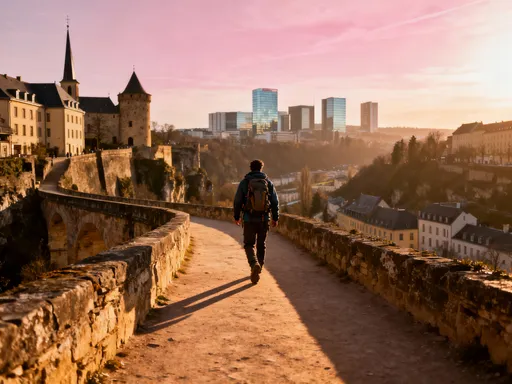
These off-the-beaten-path viewpoints share a common quality: they reward slow, intentional exploration. They are not designed for mass tourism, nor do they appear on most maps. Instead, they emerge through observation and a willingness to stray from the expected route. For the thoughtful traveler, especially those who appreciate the joy of stumbling upon something beautiful by chance, these moments become the most cherished souvenirs. Safety is not a concern—Monaco is one of the safest destinations in Europe—and the compact size of the city makes wandering both easy and intuitive.
Coastal Trails with a View: Walking the Cliffside Routes
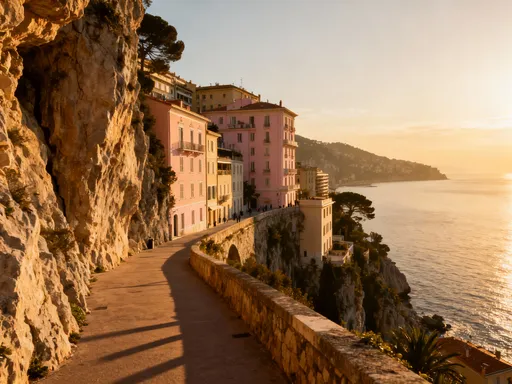
One of the most immersive ways to experience Monte Carlo’s scenery is on foot, along the coastal trails that trace the edge of the Mediterranean. The Sentier du Littoral, a protected seaside path, offers a continuous ribbon of access to some of the most dramatic views in the region. Unlike the urban vantage points, these trails provide a sense of being outside the city while still within view of it. As you walk, the city appears in glimpses—peeks of terracotta roofs, the curve of the harbor, the silhouette of the casino against the sky—all framed by the natural ruggedness of the coastline.
The physical act of walking enhances the experience. The rhythm of footsteps, the sound of waves below, and the constant presence of sea breeze create a meditative atmosphere. The path is well-maintained and mostly flat, though sturdy walking shoes are recommended due to occasional uneven surfaces. Along the way, small clearings offer natural resting spots where one can pause, breathe, and take in the vastness of the sea. These moments of stillness stand in quiet contrast to the energy of the city just inland.
What makes the Sentier du Littoral particularly special is its ability to connect multiple perspectives into a single journey. One section might offer a frontal view of Monte Carlo’s skyline, while another turns the focus to the natural rock formations and turquoise coves below. The trail also passes near small marinas and secluded beaches, adding variety to the visual experience. For families, couples, or solo travelers alike, this route provides a refreshing alternative to traditional sightseeing, combining exercise, nature, and panoramic beauty in equal measure.
Rooftop Moments: Elevated Experiences with a Personal Touch
In a city built on elevation, rooftops naturally become prime locations for viewing. Several luxury hotels in Monte Carlo feature terraces that, while primarily intended for guests, often allow respectful visitors to enjoy the view—especially during daylight hours or at venues with public bars. These spaces offer a refined atmosphere without pretension, where the focus remains on the landscape rather than the status of those present.
One such terrace, accessible through a select hotel lounge, provides a sweeping view of the harbor and the Alps in the distance. At sunset, the sky shifts through shades of pink and gold, reflecting off the glass façades of nearby buildings. The scene is sophisticated, yet calm—a place where conversation flows softly and time seems to slow. Though some venues enforce dress codes, a neat appearance and polite demeanor often allow non-guests brief access, particularly if they order a drink.
What sets rooftop viewpoints apart is their sense of exclusivity without isolation. They are elevated, yes, but also connected—to the pulse of the city below, to the movement of boats in the port, to the changing light of day. These spaces do not demand long stays; even a ten-minute visit can leave a lasting impression. For the traveler seeking a moment of quiet elegance, a rooftop pause offers a perfect balance between luxury and authenticity, between observation and participation.
Urban Vantage Points: How Architecture Shapes the View
Monte Carlo’s cityscape is a masterclass in vertical urban design. With limited space and dramatic topography, architects have long worked with the land rather than against it. The result is a dense, tiered environment where every level offers a new perspective. Balconies project over switchback streets, elevators cut through rock faces, and glass-fronted buildings mirror the sky and sea, creating a dynamic interplay of reflection and depth.
This architectural complexity means that viewpoints are not limited to designated spots—they emerge organically throughout the city. A simple glance over a railing while waiting for an elevator might reveal a stunning slice of coastline. A turn at the top of a spiral staircase could open onto a hidden courtyard with a framed view of the sea. These accidental vistas are part of what makes Monte Carlo so rewarding to explore on foot. The city behaves like a living maze, where each ascent brings a new reward.
Understanding this vertical logic enhances the travel experience. Rather than following a flat map, visitors begin to think in layers—up, down, around. Public elevators, such as those connecting different levels of the city, are not just conveniences; they are tools for discovery. By using them strategically, one can move between neighborhoods and viewpoints with ease, gaining a three-dimensional understanding of the urban fabric. This layered exploration mirrors the way locals navigate their environment, offering a subtle but meaningful form of cultural connection.
Viewpoint Hopping: Crafting Your Own Scenic Route
With so many vantage points scattered across Monte Carlo, the most fulfilling way to experience them is through a self-guided route that unfolds over the course of a day. Begin in the early morning in the old town area, where the light is soft and the streets are quiet. Start at a small overlook near Place du Marché, where the first rays of sun touch the rooftops. From there, walk toward the Opéra staircase, pausing for a view of the harbor as the city begins to wake.
By midday, make your way to one of the higher zones, such as the area near the Saint-Charles train station, where the elevation provides clear visibility over the entire bay. This is an ideal time to appreciate the contrast between land and sea, especially when the sky is cloudless. Bring water and wear comfortable shoes, as some routes involve gentle climbs. Use public elevators where available to conserve energy and extend your range.
In the late afternoon, transition toward the port area, where the golden light enhances the sparkle of the yachts. A stop at a public terrace near the water’s edge offers a front-row seat to the sunset. As the sky deepens in color, consider a brief visit to a rooftop bar with public access, where you can reflect on the day’s journey. Throughout the route, use the sea as a constant reference point—its presence helps maintain orientation even in the most winding streets.
This kind of personalized itinerary allows for flexibility and spontaneity. There is no need to rush or adhere strictly to a schedule. Instead, let curiosity guide each turn. Some viewpoints may not appear on any map, but their discovery is all the more satisfying for it. The goal is not to check off locations, but to build a layered, sensory-rich understanding of Monte Carlo—one view at a time.
Conclusion: Seeing Monte Carlo Anew—A Journey of Perspective
Chasing viewpoints in Monte Carlo is more than a sightseeing strategy—it is a mindset. It transforms travel from passive observation into active discovery, from ticking off landmarks to truly seeing. Each vantage point, whether famous or forgotten, contributes to a fuller picture of the city. Together, they reveal not just its beauty, but its character: resilient, layered, and deeply connected to the sea.
The most lasting memories are often the quiet ones—the unexpected gap between buildings that frames the horizon, the breeze on a rooftop at dusk, the sound of waves beneath a coastal path. These moments of stillness offer a different kind of luxury, one that does not depend on wealth but on presence. They remind us that the true value of travel lies not in how much we spend, but in how deeply we feel.
For the thoughtful traveler, especially those who seek meaning and connection in their journeys, Monte Carlo offers more than glamour. It offers perspective—literally and figuratively. By climbing its stairs, walking its paths, and pausing at its many overlooks, we do not just see the city anew. We see ourselves differently, too—slower, more aware, more alive. So let curiosity be your guide. Step off the main paths, look beyond the obvious, and discover the quiet wonders waiting in the heights of Monte Carlo.