You Won’t Believe What I Found Exploring Tampere’s Hidden Architecture
Tampere, Finland, isn’t just lakes and forests—it’s a city that surprises at every corner. I went looking for peace by the water, but ended up chasing red-brick giants and rooftop secrets instead. The way old factories breathe new life as cafes, galleries, and lofts? Mind-blowing. This is urban exploration with soul—where industrial bones meet bold design. If you think Finland is all minimalism and silence, wait until you see Tampere’s architectural heartbeat. It pulses through cobblestone alleys, rises with cathedral spires, and hums in the converted lofts where artists now paint beneath century-old beams. Here, history isn’t preserved behind velvet ropes; it’s lived in, walked through, and reimagined daily. This is a city that honors its past without being trapped by it.
Arrival: First Impressions of a City Built on Water and Stone
Tampere greets visitors not with fanfare, but with presence. Nestled between Lake Näsijärvi and Lake Pyhäjärvi, the city is strung together by the Tammerkoski rapids—a powerful ribbon of water that has long driven its economy and shaped its layout. As you step into the city center, the air carries a crisp clarity, mingled with the faint scent of wet stone and pine. The topography is immediate: streets rise and fall gently, following the natural slope of the land, while bridges crisscross the rapids like connectors in a living circuit. Each crossing offers a new vantage point—a glimpse of red rooftops cascading down hillsides, or a sudden view of a copper-domed tower emerging from a stand of birch trees.
What sets Tampere apart from other Nordic cities is its layered character. It doesn’t present a single face. Instead, it reveals itself in fragments: a stretch of weathered granite wall, a narrow alley lined with pastel-painted wooden houses, a sudden opening onto a sunlit plaza framed by arched brickwork. There’s a rhythm to the city, one shaped as much by water as by human hands. The rapids aren’t just scenic—they’re central to Tampere’s identity, having powered the mills that once made it Finland’s industrial heartland. Today, that legacy is visible not in smoke and steam, but in the thoughtful integration of old and new.
Walking through Tampere feels like reading a book where each chapter unfolds in a different architectural language. One moment you’re surrounded by 19th-century factory buildings with massive stone foundations, the next you’re passing a sleek glass structure that reflects the sky like a mirror. The city doesn’t erase its past; it builds upon it. Churches perch on hills as they have for over a century, their spires marking the skyline, while modern apartment blocks rise nearby with clean lines and energy-efficient facades. This coexistence isn’t accidental—it’s intentional, a reflection of a community that values both continuity and innovation.
The Red-Brick Revolution: Tampere’s Industrial Heritage Reimagined
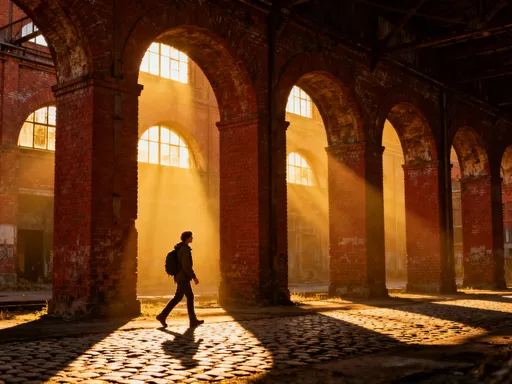
No story of Tampere’s architecture is complete without the red-brick factories that line the rapids. In the 1800s, this city became Finland’s answer to Manchester, with textile mills drawing workers from across the countryside. The Finlayson factory complex, established in 1820, was once the largest industrial site in the country. Its thick brick walls, iron columns, and soaring ceilings were built for machines, not people—yet today, they house art galleries, boutique hotels, and cozy cafes. The transformation of these spaces is nothing short of remarkable, a testament to the power of adaptive reuse.
Walking through the Finlayson area feels like stepping into a living museum where the exhibits are still in use. The original waterwheel, once used to power looms, now turns slowly as a decorative feature beside a modern restaurant. Inside the old spinning hall, the air still carries a hint of oil and wood, but the sound of clattering machinery has given way to the murmur of conversation and the clink of coffee cups. Sunlight streams through tall, arched windows, illuminating exposed brick and centuries-old beams. It’s easy to imagine the workers who once filled these rooms—their hands moving swiftly, the air thick with cotton dust. Now, designers sketch at wooden tables, and visitors browse handmade jewelry in small boutiques.
The Koskikeskus area tells a similar story. Once a hub of industrial activity, it has been reimagined as a mixed-use district where shopping, culture, and history intersect. The preservation of smokestacks and original signage adds authenticity, while modern interventions—like glass-walled extensions and rooftop terraces—bring in light and contemporary function. This blend isn’t just aesthetic; it’s sustainable. By repurposing existing structures, Tampere reduces the need for new construction materials, lowers carbon emissions, and maintains the city’s historical continuity. It’s urban renewal with respect, where the past isn’t demolished but reinterpreted.
What makes these transformations so compelling is the sensory experience they offer. The echo of footsteps in a vaulted hall, the texture of rough-hewn stone under fingertips, the warmth of afternoon light filtering through dusty windows—these details ground the visitor in the moment. They remind us that architecture isn’t just about form and function; it’s about memory and meaning. In Tampere, the industrial past isn’t hidden—it’s celebrated, not as a relic, but as a foundation for the future.
Beyond Bricks: Where Modern Design Meets Historical Fabric
While Tampere’s industrial heritage is striking, its contemporary architecture proves that the city is not living in the past. New buildings rise with confidence, yet they do so with humility, engaging in a dialogue with their surroundings rather than overpowering them. A prime example is the Tampere City Library, affectionately known as Metso, a building whose wing-like roof curves gracefully above the cityscape. Designed to resemble a capercaillie—a large forest bird native to Finland—the library is both a functional public space and a sculptural landmark. Its wooden facade and sloping glass panels reflect the colors of the sky and trees, changing with the seasons and the time of day.
What sets Metso apart is how it fits into the urban fabric. It doesn’t dominate the skyline; instead, it nestles beside older buildings, its scale and materials chosen to complement rather than contrast. Inside, the open-plan layout encourages exploration, with reading nooks, study areas, and multimedia rooms arranged around a central atrium flooded with natural light. The library is more than a place to borrow books—it’s a community hub, a quiet refuge, and an architectural statement all at once. It embodies the Finnish value of accessibility, offering free services to all while maintaining a high standard of design.
Elsewhere in the city, architects continue this careful balancing act. Glass extensions are added to historic buildings with precision, ensuring that new elements don’t mimic the old but instead create a clear distinction between eras. A former schoolhouse might now house a cultural center, its original brick facade preserved while a glass atrium opens up the interior to light and public use. These interventions respect the integrity of the original structure while allowing for modern functionality. The result is a cityscape that feels cohesive, where each building contributes to a larger narrative of growth and adaptation.
Material choices also reflect this philosophy. Architects often use wood, stone, and copper—materials with a natural warmth and longevity. These elements age gracefully, developing a patina that tells its own story over time. Even in new developments, there’s a focus on human scale, with buildings designed to feel inviting rather than imposing. Balconies, courtyards, and green roofs are common features, blending urban living with nature. In Tampere, modern architecture isn’t about bold statements or futuristic forms—it’s about creating spaces that serve people, honor context, and endure.
Churches on Hills: Sacred Spaces With a View
Rising above Tampere’s rooftops are its churches, perched on hills like sentinels of stone and light. The most prominent is Tampere Cathedral, a masterpiece of National Romantic style designed by Lars Sonck and completed in 1907. From a distance, its twin towers and green copper domes stand out against the sky, but it’s inside where the true impact is felt. The walls are adorned with frescoes by Hugo Simberg, including his famous *The Wounded Angel*—a haunting image that has become a symbol of Finnish introspection and resilience. The atmosphere is one of quiet reverence, where art, faith, and architecture converge in a space that feels both grand and intimate.
The cathedral’s location is no accident. Built on Pispala Ridge, it commands panoramic views of the city and the surrounding lakes. Visitors who climb the hill are rewarded not just with spiritual reflection, but with a literal elevation—seeing Tampere from above, spread out like a map. This placement speaks to a deeper truth about sacred architecture: it’s not just about where people worship, but how the space shapes the experience of worship. The journey upward, the stillness upon arrival, the light filtering through stained glass—each element contributes to a sense of transcendence.
Other churches in Tampere share this hilltop tradition. Alexander Church, with its red-brick facade and slender spire, stands as a landmark in the city center, while smaller chapels dot the residential neighborhoods, their bell towers visible from afar. These buildings are more than places of worship; they are orientation points, visual anchors in a city defined by water and elevation. Their rough stone walls, hand-carved details, and forest-inspired motifs reflect a deep connection to the Finnish landscape. Gargoyles shaped like animals, roof beams carved with pine cones, and stained glass depicting birch trees—all serve as reminders that spirituality here is intertwined with nature.
Even for those who don’t attend services, these churches offer moments of peace. The interior silence, the play of light on stone, the faint scent of beeswax and old wood—these sensory details create a space for reflection. In a world that often feels rushed and noisy, Tampere’s churches stand as sanctuaries of stillness. They remind us that architecture can elevate the human spirit, not through grandeur alone, but through intention, beauty, and a deep respect for place.
Offbeat Gems: Hidden Courtyards, Rooftop Terraces, and Secret Staircases
While guidebooks highlight Tampere’s major landmarks, the city’s true charm often lies in its hidden corners. Wander beyond the main streets, and you’ll discover passageways that lead to sun-drenched courtyards, once used for loading goods but now filled with potted plants and outdoor seating. In the Amuri district, a narrow archway opens onto a quiet square where ivy climbs the walls of a converted schoolhouse, its glass atrium glowing in the afternoon light. These spaces are not designed for tourists; they’re for locals, for chance encounters, for moments of quiet away from the bustle.
One of the most delightful discoveries is the network of staircases that connect Tampere’s different elevations. In Pispala, a series of wooden and stone steps wind up the hillside, linking homes, parks, and viewpoints. Some are lined with flower boxes, others with handrails worn smooth by generations of use. Climbing them feels like moving through layers of the city, each turn revealing a new perspective—a glimpse of the lake, a rooftop garden, a cat napping in a windowsill. At the top, a former factory wall has been transformed into a staircase leading to a rooftop bar, where locals gather in summer with glasses of cider, watching the sun dip behind the trees.
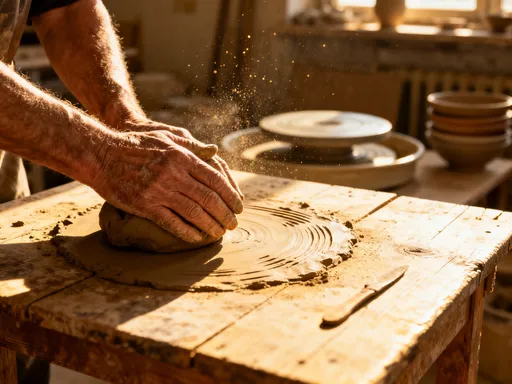
These hidden architectural moments are easy to miss if you’re following a map, but they’re exactly what make Tampere so rewarding to explore on foot. A converted boiler room now hosts a ceramics studio, its brick walls lined with shelves of handmade mugs. A disused air raid shelter beneath a park has been turned into a small exhibition space for local artists. Even the alleyways tell stories—carved gables, restored signage, murals painted in muted tones that blend with the stone. These details don’t shout for attention; they invite you to look closer, to slow down, to notice.
For the curious traveler, getting lost is not a mistake but a strategy. The central districts of Keskusta and Tammela are full of such surprises, where a simple detour can lead to a hidden garden, a quiet chapel, or a café tucked into a 19th-century gateway. These spaces thrive because they’re not overdesigned or overcommercialized. They retain a sense of authenticity, a feeling that they evolved naturally rather than being planned for Instagram. In Tampere, the best discoveries are often unplanned, born from wandering with open eyes and an open heart.
Living Architecture: How Locals Interact With the Built Environment
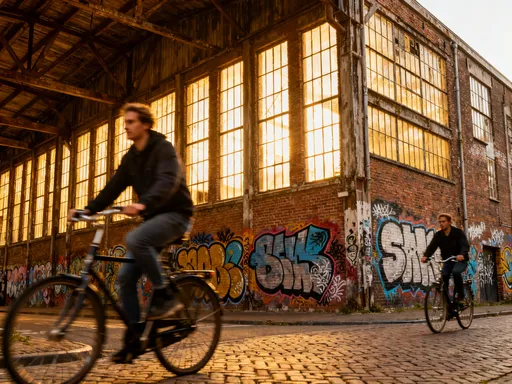
Architecture, no matter how beautiful, is only truly successful when it’s used. In Tampere, the built environment isn’t just admired—it’s lived in. Skaters glide beneath arched underpasses, their wheels echoing against the stone. Artists rent studio space in former industrial buildings, their windows filled with sketches and half-finished paintings. Families spread out on granite plazas, children chasing pigeons while parents sip coffee from thermoses. These everyday moments are what give the city its soul.
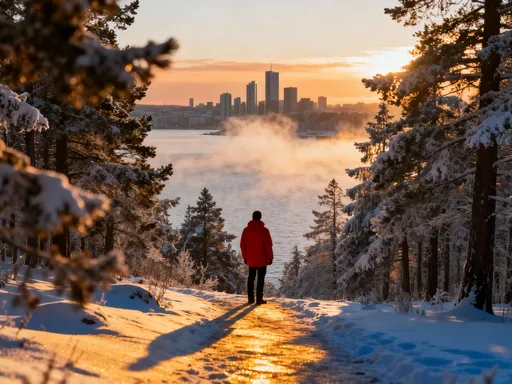
In winter, the relationship between people and architecture shifts. Snow blankets the rooftops, softening sharp edges and turning the city into a monochrome dreamscape. Streetlights cast golden pools on icy sidewalks, and buildings seem to glow from within. The facades of old factories, lit with warm-toned lamps, take on a fairy-tale quality. Outdoor cafes close, but life moves indoors—into libraries, community centers, and saunas, where conversation flows as freely as steam. Even in the cold, the city feels alive, its spaces adapted to the season.
Summer, by contrast, opens everything up. Terraces spill onto cobblestone streets, and rooftop bars buzz with activity. The canals, once industrial arteries, become scenic backdrops for evening walks. People picnic on the grassy banks, read books under trees, or rent kayaks to paddle through the heart of the city. The architecture doesn’t change, but its use does—transforming from shelter to stage, from function to experience. A brick wall becomes a backdrop for a street musician; a courtyard becomes a dance floor for a summer festival.
This adaptability is a hallmark of Tampere’s success. The city doesn’t treat its buildings as static monuments. Instead, it allows them to evolve, to serve new generations in new ways. A former school becomes a cultural center, a warehouse turns into apartments with shared gardens, a church basement hosts a weekly market. These transitions aren’t forced; they grow organically from community needs and creative vision. The result is a city where people feel a sense of ownership, where architecture fosters belonging rather than distance.
Exploring With Purpose: Tips for Your Own Architectural Adventure
If you’re planning your own journey through Tampere’s architectural landscape, a little preparation can enhance the experience without taking away from the joy of discovery. Start early in the morning, when the light is soft and the streets are quiet. The golden hour just after sunrise casts a warm glow on red-brick facades, and the reflections on the rapids are at their most striking. By midday, the city fills with activity, but the shadows deepen under archways and bridges, creating dramatic contrasts perfect for photography.
One recommended route begins at the Tammerkoski rapids, where you can walk along both banks and see the evolution of industrial architecture firsthand. Cross the Särkänniemi Bridge to the Finlayson area, then loop through the Koskikeskus district before heading uphill toward Tampere Cathedral. From there, descend into Pispala via the network of staircases, ending at a lakeside café for coffee and a view. This path covers a range of styles and eras, offering a comprehensive overview of the city’s architectural layers.
As you walk, pay attention to small details—the carved gables, the restored factory signage, the way modern additions integrate with old walls. Look up: many of the most interesting features are at roof level. Apps like Tampere Urban Adventures or the local tourism board’s self-guided tour map can provide context, but don’t let them dictate your route. Some of the best moments happen when you turn down an unmarked alley or follow a staircase just to see where it leads.
Consider joining a guided architecture walk, especially if you’re interested in the stories behind the buildings. Local experts often share insights that aren’t in guidebooks—like how a particular facade survived a fire, or how a community fought to preserve a historic courtyard. These tours foster a deeper connection to the city, turning sightseeing into storytelling. But even without a guide, the most important tool is curiosity. Let yourself be drawn to what feels interesting, whether it’s a patch of ivy on a wall or the sound of music drifting from an open window. In Tampere, architecture isn’t just to be seen—it’s to be felt, experienced, and remembered.
Tampere’s architecture tells a story of reinvention—where function morphs into beauty, and history isn’t preserved behind glass but lived in daily. It’s proof that cities can grow without losing their soul. Whether you're drawn to grand facades or hidden corners, Tampere invites you not just to look, but to feel the weight, warmth, and wonder of its built world. Pack your curiosity. The city’s walls are waiting to speak.