This Is What Happens When You Check In to Amsterdam’s Real Culture
You know that feeling when a city surprises you? Amsterdam did exactly that. I went for the canals and museums but stayed for the soul of the place—hidden cultural spots where locals create, connect, and celebrate. From converted warehouses to intimate performance spaces, I discovered a side of Amsterdam most tourists miss. It’s not just about checking in—it’s about tuning in. And honestly? The real magic isn’t on postcards. It’s in the hum of a jazz trio on a rainy Tuesday night, the murmur of poetry in a tucked-away bookshop, or the warmth of shared bread at a community table in a repurposed factory. This is a city that rewards curiosity, invites participation, and reveals itself slowly, like a well-kept secret passed from one traveler to the next.
First Impressions: Beyond Tulips and Tour Buses
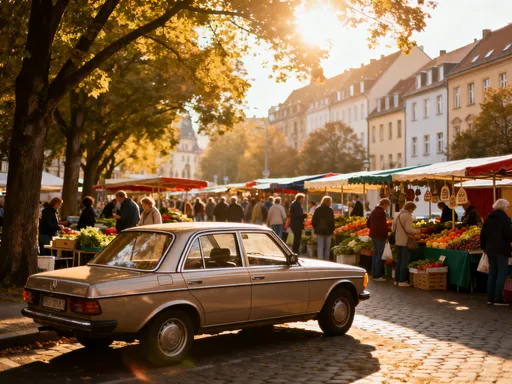
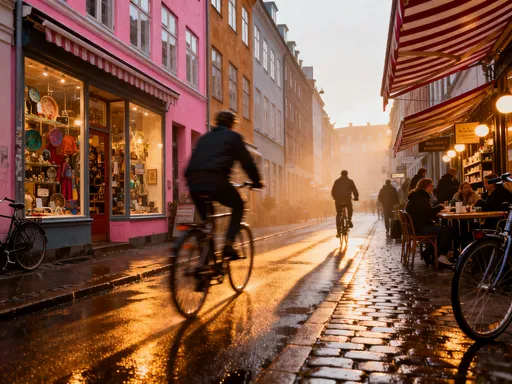
Amsterdam greets you not with fanfare, but with rhythm. The moment you step off the train at Centraal Station, you’re immersed in a quiet orchestration of bicycles gliding across cobblestones, the soft chime of trams, and the low murmur of Dutch spoken in rapid, melodic bursts. There are no grand monuments to announce your arrival—just a city already in motion, living its life with gentle urgency. For many, the image of Amsterdam begins and ends with tulips, windmills, and red-light districts, but those are postcard fragments of a much deeper story. The real narrative unfolds in neighborhoods where art studios spill light onto quiet streets and community centers hum with evening activity.
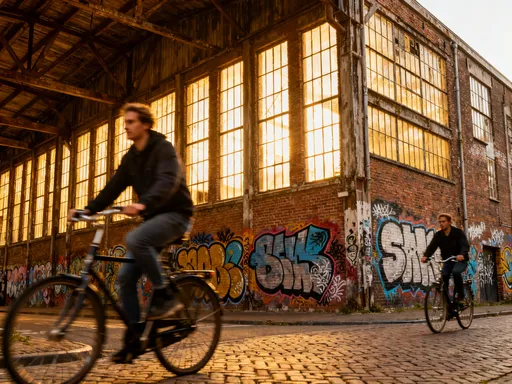
It’s easy to arrive with assumptions. The tourist brochures emphasize history and hedonism, but what they often overlook is the city’s quiet commitment to creative coexistence. Within minutes of leaving the station, you can turn a corner and find yourself in a district where street art climbs brick walls like ivy, where old tram depots now house design collectives, and where the scent of freshly baked stroopwafels mingles with the aroma of coffee from independent roasteries. This is Amsterdam as locals know it—a city that values space, sustainability, and self-expression.
Cultural immersion doesn’t begin at a museum. It starts the moment your foot touches the platform. The way people move, speak, and interact tells you something vital: this is a place where order and freedom exist in balance. Cyclists follow unspoken rules with precision, yet there’s a looseness in the way friends gather on houseboats or debate philosophy in sidewalk cafés. Recognizing this duality—the structure beneath the spontaneity—helps travelers adjust their expectations. Amsterdam isn’t a destination to conquer; it’s a rhythm to sync with.
The Check-In Moment: Choosing More Than Just a Hotel
Where you stay shapes what you see. In Amsterdam, the difference between a transactional visit and a transformative one often comes down to accommodation. The city offers a growing number of stays designed not just for rest, but for connection. Boutique hotels housed in 17th-century canal houses often feature rotating art exhibitions curated by local painters. Some hostels double as cultural hubs, hosting live music, film screenings, and artist talks in their common areas. These are not incidental amenities—they are invitations.
Consider a design-forward hostel in the Oud-West neighborhood, where the lobby doubles as a gallery space and weekly language exchange nights draw both travelers and Amsterdam residents. Staying here isn’t just about having a bed; it’s about gaining access to a community. You might wake up to the sound of a morning choir rehearsal in the courtyard or find yourself invited to a shared dinner with Dutch designers, students, and visiting musicians. These moments don’t happen by accident. They’re built into the ethos of spaces that view hospitality as cultural exchange.
Even traditional canal house rentals have evolved. Many now partner with local cultural institutions to offer guests curated guides to neighborhood events, from open studio tours to pop-up theater performances. Some include free passes to nearby cultural centers or discounts at independent bookshops. This shift—from passive lodging to active cultural entry points—reflects a broader trend in travel. People no longer just want to sleep in a city; they want to feel part of it, even if only for a few days.
Choosing such accommodations sends a message: you’re not here to observe from a distance. You’re here to participate. And that simple decision—to stay somewhere that values culture as much as comfort—can open doors that no guidebook can.
Cultural Venues That Define Amsterdam’s Pulse
If Amsterdam has a heartbeat, it beats in its independent cultural spaces. These are not polished institutions designed for mass appeal, but living, breathing centers where art, music, and ideas are tested, shared, and reimagined. Places like OT301, a self-managed cultural center housed in a former bathhouse in De Pijp, embody this spirit. Run collectively by artists and activists, it hosts everything from experimental dance performances to vegan food cooperatives and activist meetings. There’s no hierarchy here—just a shared belief that culture should be accessible, inclusive, and community-driven.
Then there’s Bimhuis, a renowned venue on the banks of the IJ River dedicated to jazz and improvised music. Unlike traditional concert halls, Bimhuis feels intimate, almost conversational. The acoustics are pristine, but the atmosphere is relaxed. You might see musicians sipping tea at the bar before their set or overhear a post-performance discussion between composers and audience members. This closeness—between artist and listener, between creation and critique—is central to Amsterdam’s cultural identity.
De Nieuwe Norm, located in a repurposed church in Amsterdam-Noord, is another cornerstone. By day, it functions as a café and workspace; by night, it transforms into a stage for theater, poetry, and electronic music. What makes it remarkable is its commitment to emerging talent. Over 80% of the performers are local or early-career artists given a platform without commercial pressure. This nurturing of new voices ensures that Amsterdam’s cultural scene remains fresh, diverse, and resilient.
These venues matter not just for what they offer, but for what they represent: a belief that culture is not a product, but a process. They are spaces where social cohesion is built through shared experience, where differences are explored through dialogue rather than debate, and where creativity is treated as a public good. In a world increasingly dominated by digital consumption, Amsterdam’s cultural centers remind us that real connection happens in physical space, in real time, among real people.
Off-the-Beaten-Path Gems Only Locals Know
The most memorable cultural experiences in Amsterdam are rarely found on tourist maps. They happen in neighborhoods like Nieuw-West and Oost, where community-driven initiatives thrive away from the canal belt’s glare. In these districts, culture isn’t performed for visitors—it’s lived. A poetry night in a neighborhood library, a film screening in a converted school gym, or an open rehearsal in a community art studio—these are the moments that define Amsterdam’s authentic rhythm.
Take the Westergas complex, once a gasworks plant, now a cultural park hosting festivals, markets, and artist residencies. On weekends, it buzzes with families, food trucks, and live music. But on a quiet Wednesday afternoon, you might stumble upon a sculptor welding metal in an open-air studio or a group of teenagers practicing breakdancing under a covered pavilion. There’s no admission fee, no schedule to follow—just the organic flow of creative life.
Word-of-mouth still guides discovery in Amsterdam. While apps and websites list events, many of the most meaningful gatherings are shared through informal networks. A barista might mention a spoken-word night happening that evening. A neighbor might invite you to a neighborhood supper club. These invitations feel special because they’re not transactional—they’re gestures of inclusion.
One evening, while exploring Amsterdam-Oost, I followed the sound of a cello to a small community center where a group of amateur musicians was rehearsing for a charity concert. I hesitated at the door, unsure if I was intruding. But the cellist waved me in, handed me a chair, and offered tea. No one asked where I was from or why I was there. I was simply welcomed. That night wasn’t about performance; it was about presence. And that, more than any museum or monument, is what made Amsterdam feel like home.
Design as Culture: How Spaces Tell Stories
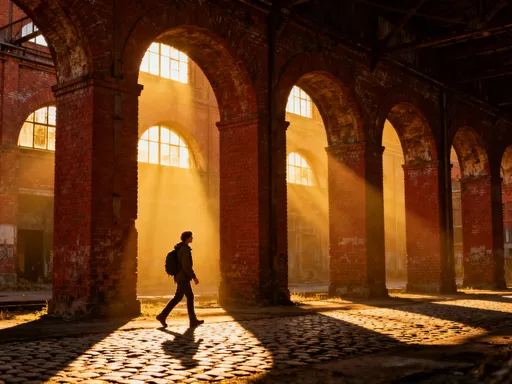
In Amsterdam, architecture is never neutral. Every building carries a narrative—of industry, adaptation, and reinvention. The city’s cultural spaces are particularly eloquent in this regard. Many have been transformed from industrial relics—factories, warehouses, power stations—into vibrant centers of creativity. This practice of adaptive reuse is more than a sustainability strategy; it’s a cultural statement. It says that the past is not discarded, but repurposed. That value can be found in what others might overlook.
Walk into any of these spaces, and you feel the history in the bones of the building. Exposed brick, steel beams, and original wood floors are left visible, not hidden behind modern finishes. At OT301, the old tiled walls of the former bathhouse remain, a subtle reminder of the building’s civic past. At De Hallen, a former tram depot in Oud-West, the high ceilings and industrial windows create a sense of openness that invites collaboration. These are not sterile galleries or corporate event spaces—they are environments designed to inspire.
The interior design reinforces this ethos. Furniture is often handmade or sourced from local designers. Lighting is warm and layered, avoiding the harsh glare of commercial venues. Even the acoustics are considered—sound is meant to travel, to mingle, to encourage conversation. In these spaces, you don’t just see culture; you feel it in the air, the light, the texture of the walls.
More importantly, these spaces are built for creativity, not consumption. There are no gift shops at the exit, no timed entry tickets, no velvet ropes. You’re not a customer; you’re a participant. The design encourages lingering, exploration, and interaction. A staircase might lead to an open studio. A hallway might display works by emerging artists. Every detail invites engagement. In a city where space is limited, the way it’s used speaks volumes about values. Amsterdam chooses to dedicate its precious square meters not to retail, but to resonance.
Engaging with Culture: It’s Not Just About Watching
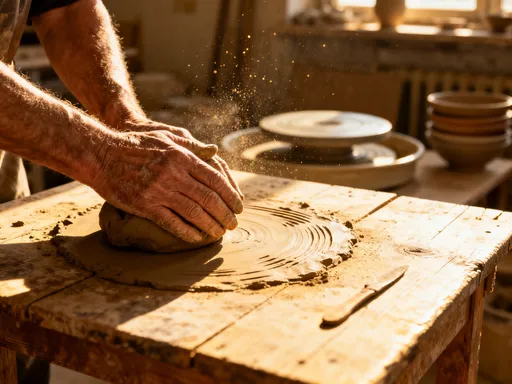
The most profound cultural experiences in Amsterdam are those in which you stop being an observer and become a contributor. The city offers countless opportunities for travelers to participate—not as performers, necessarily, but as collaborators. Workshops in printmaking, pottery, and sustainable fashion are regularly hosted in community centers and art schools. Many are open to non-Dutch speakers and require no prior experience. The goal isn’t mastery; it’s connection.
I joined a one-day bookbinding workshop at a cultural center in Amsterdam-Zuid. The instructor, a local artist, spoke minimal English, and I spoke no Dutch. Yet we communicated through gestures, shared tools, and the quiet focus of making something by hand. By the end of the day, I had a small handmade journal—and a deeper appreciation for the craft. More importantly, I had shared time and space with others who cared about the same things. Language wasn’t a barrier; it was irrelevant. What mattered was the act of creating together.
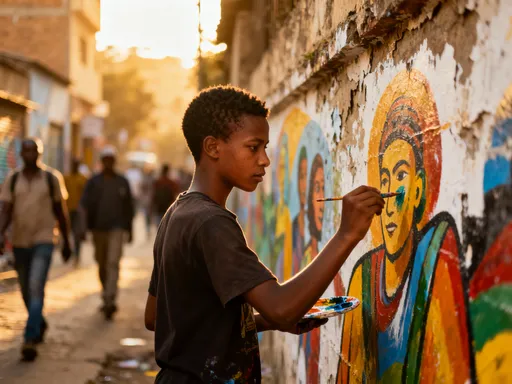
Other programs invite travelers to co-design installations, contribute to community murals, or join discussion circles on urban sustainability. These experiences shift the travel paradigm from seeing to doing. And research shows that participatory activities lead to longer-lasting memories and deeper emotional connections. When you make something—even something small—you carry a piece of the place with you.
Amsterdam’s cultural institutions understand this. They don’t just host events; they design experiences that dissolve the line between guest and host. A poetry night might include an open mic. A music venue might offer instrument lending. A gallery might host a collective drawing session. These gestures are small, but they signal a larger truth: culture is not a spectacle. It’s a shared practice. And when travelers are invited to join, even briefly, they leave not just with photos, but with a sense of belonging.
Practical Tips for a Meaningful Cultural Check-In
To experience Amsterdam’s cultural soul, timing matters. While summer brings festivals and long daylight hours, it also brings crowds. For a more authentic experience, consider visiting in the shoulder seasons—April to early June, or September to October. During these months, local events resume after winter, tourist numbers are lower, and the city feels more accessible. Many cultural centers release their programming in September and January, making these ideal times to catch fresh exhibitions, performances, and workshops.
Finding events requires going beyond mainstream platforms. While websites like Teatro and Resident Advisor list concerts and club nights, some of the most meaningful gatherings are announced on local bulletin boards, community websites, or social media groups focused on neighborhood life. Following cultural centers like OT301, De Nieuwe Norm, or Bimhuis on Instagram or signing up for their newsletters can provide early access to tickets and insider updates. Some venues offer free open days or pay-what-you-can evenings, especially during cultural festivals like Amsterdam Open Studios or the Amsterdam Dance Event.
When attending events, remember that you are a guest. Amsterdamers value quiet respect and understated engagement. Arrive on time, avoid loud conversations during performances, and follow venue guidelines—many spaces are volunteer-run and rely on collective care. Tipping is not expected at cultural events, but supporting the space by buying a drink or a piece of art is appreciated. Most importantly, come with openness. Don’t expect grand gestures or instant inclusion. Authentic connection in Amsterdam is earned through presence, patience, and genuine curiosity.
Conclusion: Reimagining Travel Through Cultural Presence
Amsterdam teaches a different way to travel—one that values depth over distance, presence over possession. The city’s cultural spaces offer more than entertainment; they offer belonging. They remind us that travel is not just about seeing new places, but about expanding who we are through shared human expression. When you attend a poetry reading in a converted church, join a workshop in a repurposed factory, or simply share silence with strangers at a jazz performance, you’re not just visiting Amsterdam. You’re becoming part of it, however briefly.
The idea of “checking in” takes on new meaning here. It’s not just about confirming a reservation. It’s about tuning in—to the rhythm of the city, the voices of its people, the pulse of its creativity. It’s a mindset that values listening over photographing, participating over spectating, and connecting over collecting. In a world where travel can feel transactional, Amsterdam offers an alternative: a model of mindful engagement, where culture is not consumed, but co-created.
So the next time you plan a trip, ask yourself: where do I want to check in? Not just physically, but emotionally, intellectually, creatively. Let Amsterdam inspire you to go beyond sightseeing. Seek out the spaces where real people gather, where art is made, not sold, and where the only requirement for entry is curiosity. Because the truest souvenirs aren’t things you can pack. They’re moments that change you. And in Amsterdam, those moments are everywhere—if you know where to look, and more importantly, how to listen.