You Won’t Believe These Hidden Trails Where Old Meets New in Luxembourg City
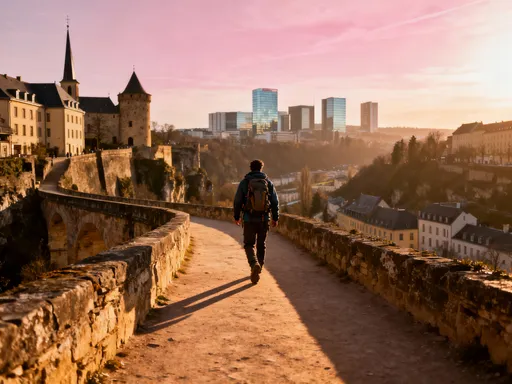
Walking through Luxembourg City, I never expected to find hiking paths winding past medieval walls and sleek modern towers. This city blends centuries of architecture into one breathtaking urban trail experience. From cliffside footpaths to hidden viaducts, every turn reveals something stunning. It’s not just a capital—it’s a living museum you can hike through. The deep river valleys carved by the Alzette and Pétrusse rivers create natural elevation changes, transforming quiet strolls into mini expeditions. You might begin your walk beneath a 17th-century fortress and end it overlooking a glass-walled European institution, all within a compact, walkable area. This unique fusion of nature, history, and modernity makes Luxembourg City one of Europe’s most surprising destinations for urban hiking.
Why Hiking Luxembourg City Feels Like Walking Through Time
Luxembourg City offers a rare urban hiking experience where every path tells a story of transformation across centuries. Unlike many capitals where modern development overshadows the past, here the old and new coexist in striking harmony. The city is built on a dramatic landscape of sandstone cliffs, deep ravines, and rolling plateaus, creating natural trails that meander through both forested slopes and bustling districts. As hikers descend from the Kirchberg plateau into the Grund valley, they pass from sleek glass facades into neighborhoods where cobblestone streets echo with centuries of footsteps. This seamless transition is not by accident—it is shaped by thoughtful urban planning that preserves heritage while embracing innovation.
The geography of Luxembourg City plays a crucial role in its hiking appeal. The Alzette River cuts through the heart of the city, flanked by steep valley walls that have been carved over millennia. These natural elevations create built-in trails, with staircases, footpaths, and switchback routes offering continuous movement through changing environments. One moment, a hiker might be surrounded by pine trees and bird song along a shaded ravine path; the next, they emerge onto a sunlit promenade lined with 18th-century townhouses and modern art installations. The city’s topography ensures that elevation shifts are frequent, making even short hikes feel dynamic and rewarding.
Architectural contrasts further deepen the sense of time travel. Along the Chemin des Prés, for instance, hikers walk beneath the imposing remains of the Fort Thüngen, a 18th-century Dutch-era bastion, only to turn a corner and see the sweeping curves of the Philharmonie Luxembourg concert hall. The juxtaposition is not jarring but intentional—part of a national identity that honors its layered past while investing in a forward-looking future. Stone fortifications stand just meters from solar-paneled government buildings, and ancient gateways frame views of high-speed trains gliding into modern stations. These contrasts are not hidden; they are highlighted, inviting visitors to observe, compare, and appreciate the dialogue between eras.
What makes this experience accessible is the city’s commitment to pedestrian infrastructure. Well-marked trails, clear signage in multiple languages, and frequent rest points make hiking through Luxembourg City suitable for all ages and fitness levels. Families with children, older adults, and solo travelers alike can explore at their own pace. The integration of nature and urban life means that even a two-hour walk can feel like a journey through multiple worlds. From the quiet of forested ravines to the energy of central plazas, the city’s trails offer both physical movement and mental refreshment. In a world where cities often feel overwhelming, Luxembourg shows how urban spaces can be designed for contemplation, discovery, and connection.
The Best Urban Trail: Chemin de la Corniche – Europe’s Most Beautiful Walk?
Among the many trails in Luxembourg City, the Chemin de la Corniche stands out as a masterpiece of urban hiking. Often called “Europe’s most beautiful promenade,” this path stretches along the southern edge of the old city, perched high above the Alzette Valley. It follows the route of ancient fortifications that once protected the city, now repurposed into a scenic walking trail that offers panoramic views at every turn. The path begins near the Bock Casemates and winds eastward, providing uninterrupted vistas of red-roofed buildings, church spires, and the lush greenery of the valley below. On clear days, the view extends for miles, capturing both the historic heart of the city and the modern skyline rising in the distance.
What makes the Corniche so remarkable is its blend of natural beauty and architectural drama. The trail runs along a limestone cliff, with sections of the original 17th-century ramparts still intact. These sandstone walls, weathered by centuries of wind and rain, contrast beautifully with the vibrant green ivy that climbs their surfaces. Interpretive signs along the route explain the military history of the site, including how these fortifications were once considered among the strongest in Europe. In the 19th century, much of the defensive system was dismantled by Prussian forces, but the Corniche was preserved and later transformed into a public promenade. Today, it serves as both a historical monument and a beloved recreational space.
As hikers progress along the Corniche, they are treated to a constantly shifting visual narrative. To the south, the valley unfolds like a living painting—patches of forest, meandering river bends, and clusters of traditional homes nestled in the ravine. To the north, the cityscape rises in layers: Gothic steeples, Baroque facades, and modern administrative buildings all coexist within a compact footprint. One of the most photographed views along the trail captures the red-tiled roofs of the Grund district framed by the arches of an old stone bridge, with the sleek glass facade of the Philharmonie Luxembourg rising in the background. This single vista encapsulates the city’s essence—where heritage and modernity are not in conflict but in conversation.
The Corniche is also notable for its accessibility and amenities. The path is paved and gently sloped, making it suitable for strollers, wheelchairs, and casual walkers. Benches are placed at regular intervals, allowing visitors to pause and absorb the scenery. In spring and summer, flowering shrubs and climbing roses add bursts of color, while in autumn, the valley’s trees turn golden and crimson, enhancing the dramatic backdrop. Local guides often include this trail in walking tours, and many residents use it for morning jogs or evening strolls. Whether visited at sunrise, when mist hovers over the valley, or at dusk, when the city lights begin to twinkle, the Corniche offers a deeply immersive experience that captures the soul of Luxembourg City.
Hidden Pathways Beneath the City: Exploring the Bock and Pétrusse Casemates
Beneath the surface of Luxembourg City lies another dimension of its hiking experience—the network of tunnels and casemates carved into the rock over centuries. These subterranean passages, originally built for military defense, now form part of an extraordinary underground trail system that allows visitors to walk through history. The Bock Casemates, in particular, are among the most impressive examples of military engineering in Europe. Beginning as a natural cave in the 17th century, they were expanded by Spanish, French, and Austrian forces into a vast labyrinth of tunnels capable of housing up to 1,000 soldiers. Today, a portion of these tunnels is open to the public, offering a cool, dimly lit journey through the city’s fortified past.
Walking through the Bock Casemates feels like stepping into a hidden world. The air is cooler, the sound muffled, and the atmosphere charged with history. Stone arches, iron gates, and ventilation shafts punctuate the passageways, many of which are wide enough for two people to walk side by side. Along the way, informational panels describe the strategic importance of the site, explaining how defenders could move troops and supplies unseen, launch surprise attacks, or retreat safely during sieges. Some sections open onto narrow ledges with breathtaking views of the Alzette Valley—positions once used by soldiers to monitor enemy movements. These vantage points are now prized by photographers and hikers seeking a unique perspective on the city.
The Pétrusse Casemates, located on the eastern side of the city, offer a similar but less crowded experience. Carved into the cliffs above the Pétrusse Valley, these tunnels were part of the outer defensive ring and connected various fortification points. While not as extensive as the Bock system, they provide an intimate look at how Luxembourg’s geography was leveraged for protection. The trail through the Pétrusse Casemates links to above-ground paths that lead to viewpoints overlooking the Neumünster Abbey and the modern buildings of the European district. This seamless integration of underground and elevated routes creates a multidimensional hiking experience—one that moves vertically as well as horizontally.
What makes these casemate trails especially engaging is their ability to connect different eras in a single journey. A hiker might begin on a sunlit street in the old town, descend into a 300-year-old tunnel, emerge onto a cliffside path with views of a 21st-century concert hall, and end at a café serving contemporary Luxembourgish cuisine. This layering of time and space is unique to Luxembourg City and reflects a broader cultural value: the preservation of memory within a dynamic, evolving urban environment. The casemates are not relics frozen in time; they are active parts of the city’s walking network, inviting exploration and reflection. For families, history enthusiasts, and curious travelers, they offer an unforgettable blend of adventure and education.
From Old Bridges to Modern Decks: How Infrastructure Becomes Adventure
In Luxembourg City, bridges are more than just connections—they are integral parts of the hiking experience. The city’s deep valleys necessitate numerous crossings, and over time, these structures have evolved from simple transit points into architectural landmarks and scenic trail segments. The Passerelle, also known as the Luxembourg Viaduct, is one of the most striking examples. Completed in 1861, this iron and stone bridge spans the Pétrusse Valley with an elegant series of arches, rising 45 meters above the ground. Originally built to carry a railway, it was later converted into a pedestrian and cycling path, linking the old town with the Kirchberg plateau. Today, walking across the Passerelle feels like gliding through the air, with panoramic views unfolding on both sides.
The Grand Duchess Charlotte Bridge, painted a vibrant red, offers a contrasting but equally impressive experience. Opened in 1965, this modern steel structure connects the city center to the European quarter and is designed with wide sidewalks specifically for pedestrians. As hikers cross, they are treated to sweeping views of the Alzette Valley, the old fortifications, and the growing skyline of Kirchberg. The bridge’s height and openness make it a favorite spot for photos, especially at golden hour when the sunlight bathes the sandstone cliffs in warm tones. Unlike many urban bridges that feel utilitarian, this one is designed with aesthetics and experience in mind, reinforcing the idea that infrastructure can enhance, not detract from, the natural and architectural landscape.
These bridges do more than connect points on a map—they create loops and circuits that allow hikers to explore the city in continuous motion. A popular route begins in the Grund, ascends to the Corniche, crosses the Passerelle, and continues into Kirchberg, forming a loop that showcases centuries of development. The elevation changes add physical challenge and visual variety, turning what could be a simple commute into an adventure. Staircases, ramps, and winding paths link these bridges to surrounding trails, ensuring that movement through the city feels organic and engaging. Signage is clear and consistent, with color-coded trail markers guiding hikers along designated routes.
Moreover, the design of these structures reflects Luxembourg’s commitment to sustainability and accessibility. The Passerelle, for example, has been retrofitted with energy-efficient lighting and anti-slip surfaces, making it safe and welcoming year-round. The Grand Duchess Charlotte Bridge includes tactile paving for visually impaired travelers and is fully accessible to wheelchairs and strollers. These features ensure that the city’s hiking network is inclusive, allowing everyone to enjoy its beauty. In a broader sense, these bridges symbolize connection—not just between neighborhoods, but between past and present, nature and urban life, people and place.
Hiking Through Government Districts: When Politics Meets Panorama
One of the most unexpected hiking experiences in Luxembourg City is the walk from the historic center to the Kirchberg plateau, home to numerous European Union institutions. At first glance, a district filled with government buildings might seem impersonal or sterile, but in Luxembourg, it is anything but. The journey from the old town to Kirchberg is a study in contrasts—descending into the Alzette Valley, crossing the red steel bridge, and ascending into a modern urban landscape defined by green spaces, bold architecture, and thoughtful design. This area houses the European Court of Justice, the European Investment Bank, and the European Convention Center, yet it remains surprisingly walkable and visually engaging.
The architecture of Kirchberg reflects a commitment to both functionality and aesthetic innovation. Classical influences are evident in the symmetrical layouts and stone facades of some buildings, while others embrace contemporary forms—curved glass walls, angular rooftops, and solar panel integration. The European Central Bank headquarters, with its twin towers and circular design, stands as a landmark of modern European governance. Yet, rather than isolating these institutions, the city has integrated them into a network of parks, plazas, and pedestrian paths. Wide sidewalks, tree-lined avenues, and open green spaces make the area inviting for walking, jogging, or simply pausing to enjoy the view.
Hikers traversing Kirchberg will notice how the urban design prioritizes human-scale experiences. Public art installations, water features, and seating areas are thoughtfully placed, encouraging interaction and rest. The Kirchberg Panorama Trail, a designated walking route, connects key buildings with scenic overlooks that provide sweeping views of the old city below. From these vantage points, the contrast between the medieval skyline and the modern plateau is striking—yet harmonious. The journey is not just physical but symbolic, representing the evolution of Europe from fragmented kingdoms to a union built on cooperation and shared values.
What makes this district particularly appealing to families and older adults is its accessibility and safety. The paths are well-lit, monitored, and free of traffic, making it ideal for evening walks or early morning exercise. Cafés and small restaurants within the plazas offer refreshments, allowing hikers to take breaks without leaving the trail. During weekdays, the area buzzes with professionals, but on weekends, it transforms into a quiet, reflective space where locals and visitors alike come to walk, read, or enjoy the scenery. This duality—active yet serene, modern yet connected to history—makes Kirchberg a unique chapter in Luxembourg City’s hiking story.
Practical Tips for Hiking the City’s Architectural Gems
To fully enjoy the hiking trails of Luxembourg City, a few practical considerations can enhance the experience. First, timing matters. The best seasons for hiking are spring and autumn, when temperatures are mild, foliage is vibrant, and crowds are smaller. Summer can be pleasant but busier, especially around tourist sites like the Corniche and Bock Casemates. Early mornings or late afternoons offer the most favorable light for photography and the most comfortable walking conditions. Weekdays are generally quieter than weekends, particularly in the Kirchberg district.
Footwear is another key factor. While many trails are paved or well-maintained, others involve stone steps, uneven surfaces, or shaded, potentially slippery paths. Sturdy walking shoes with good grip are recommended, especially for routes that descend into the valleys or pass through forested areas. A light jacket or layers are useful, as temperatures can vary significantly between sunlit plazas and shaded ravines. A reusable water bottle and a small backpack with snacks can make longer hikes more enjoyable, particularly for families with children.
Navigating the city’s trails is straightforward thanks to excellent signage and digital resources. Color-coded trail markers—yellow for historical routes, green for nature paths, and blue for panoramic walks—are posted throughout the city. Free paper maps are available at the Luxembourg City Tourist Office, located near the Place d’Armes. For digital navigation, the official Luxembourg City app and platforms like Komoot or AllTrails offer downloadable routes with elevation profiles and points of interest. Audio guides, available in multiple languages, provide historical context for major sites like the Corniche and Casemates, enriching the experience without requiring a guided tour.
Rest areas and amenities are plentiful. Public restrooms, drinking fountains, and benches are located at regular intervals, particularly along main trails. Cafés near Place d’Armes, in the Grund, and in Kirchberg’s plazas offer opportunities to rest and refuel with local specialties like coffee, pastries, or Luxembourgish ham and cheese sandwiches. Many of these spots are situated in historic buildings or modern architectural landmarks, adding to the overall experience. For those planning a full-day hike, combining trail segments with a museum visit or a concert at the Philharmonie can create a rich, varied itinerary. With proper preparation, hiking Luxembourg City becomes not just a physical activity, but a deeply rewarding cultural and sensory journey.
Why This City Changes How We Think About Urban Hiking
Luxembourg City challenges the traditional notion of what a hike should be. It proves that adventure does not require remote mountains or wilderness trails—sometimes, it unfolds in the heart of a European capital. Here, architecture is not just a backdrop; it is part of the terrain, shaping the rhythm and meaning of each walk. A staircase carved into rock, a bridge spanning a deep valley, a tunnel that once sheltered soldiers—all become elements of an immersive journey through time and space. The city demonstrates that urban environments can be designed to support exploration, reflection, and connection, not just efficiency and commerce.
What sets Luxembourg apart is its integration of nature, history, and modern life into a cohesive whole. Hiking here is not about escaping the city but engaging with it more deeply. Every trail reveals layers of human effort, creativity, and resilience. The preservation of fortifications, the adaptive reuse of tunnels, and the thoughtful placement of green corridors show a commitment to sustainability and cultural continuity. This approach offers a model for other cities seeking to balance growth with heritage, density with accessibility, modernity with memory.
For the 30- to 55-year-old woman managing a household, caring for family, and seeking moments of clarity and renewal, Luxembourg City’s trails offer something rare: a space where physical activity, beauty, and meaning converge. A morning walk on the Corniche can provide both exercise and inspiration. A family hike through the casemates can spark curiosity and conversation. An afternoon stroll across a red steel bridge can lift the spirit and broaden the perspective. These experiences are not extravagant or distant—they are accessible, enriching, and deeply human.
In the end, Luxembourg City invites us to see urban spaces not as static destinations, but as living, breathing stories written in stone, steel, and time. It reminds us that every city holds hidden paths, quiet moments, and unexpected beauty—waiting to be discovered, one step at a time. So lace up your walking shoes, bring a sense of wonder, and let the trails lead you through centuries of history, nature, and design. The journey is not just through a city—it is through time itself.