You Gotta See These Hidden Shopping Spots in Dresden – My Self-Drive Adventure
Driving into Dresden feels like stepping into a living postcard—baroque spires, riverside charm, and a rhythm that’s both elegant and easygoing. But what surprised me most? The city’s incredible shopping scene, totally unlocked by car. No crowds, no rush—just smooth rides to places you’d never find on foot. From designer boutiques to local markets tucked away in quiet neighborhoods, this is shopping with soul. Let me take you where the guidebooks don’t.
Why Dresden by Car Changes Everything
Exploring Dresden behind the wheel transforms the entire rhythm of a visit. While many tourists rely on public transport or walking tours, driving offers unmatched freedom to move beyond the postcard-perfect city center. With a car, you're no longer confined to crowded streets like Prager Straße or the compact Altmarkt district. Instead, you can glide through tree-lined avenues, follow the Elbe River’s gentle curves, and reach neighborhoods that remain off the typical tourist trail. This kind of mobility is especially valuable when shopping—imagine picking up a hand-thrown ceramic bowl from a small studio in Hellerau or loading fresh produce from a weekend market, then stashing it all securely in your trunk without worrying about train transfers or heavy bags.
The city’s infrastructure supports self-drive travelers well. Roads are clearly marked, signage is in both German and English at major intersections, and traffic moves at a relaxed pace, especially outside morning and evening rush hours. Parking is surprisingly convenient, with designated lots near shopping zones and residential areas where short-term street parking is often free or low-cost. Some districts even offer dedicated visitor spots, making it easy to stop for an hour or two while browsing local boutiques or grabbing coffee between stops. Apps like Parkopedia or Google Maps help identify available spaces in real time, reducing stress and saving time.
What truly sets a self-drive experience apart is spontaneity. You’re not bound to a fixed schedule or route. See a small sign for a weekend market? Take the exit. Notice a charming row of shops in a quiet neighborhood? Pull over and explore. This flexibility turns shopping into an adventure rather than a checklist. It allows for deeper engagement with the city’s culture—meeting local artisans, supporting family-run businesses, and discovering items that reflect Dresden’s unique blend of tradition and innovation. In this way, the car becomes more than transportation; it becomes a key to authenticity.
The Old Town’s Timeless Appeal – But Look Beyond
Dresden’s historic center remains a magnet for visitors, and its shopping avenues are undeniably appealing. Prager Straße, with its glass canopy and mix of international brands and German retailers, offers a polished, urban experience. Nearby, the Altmarkt-Galerie provides a climate-controlled environment filled with fashion, cosmetics, and electronics—ideal for rainy days or when seeking familiar names. These spots are well-maintained, accessible, and efficient, serving as reliable starting points for any shopping excursion.
Yet, there’s a limit to what these mainstream areas can offer. During peak tourist seasons, especially in summer and around Christmas markets, foot traffic swells. Stores become crowded, lines form at checkout counters, and the overall pace feels rushed. The sense of discovery fades when every shop window looks the same, stocked with mass-produced goods designed for broad appeal rather than local character. While convenient, these commercial hubs often lack the personal touch—the conversations with shop owners, the one-of-a-kind finds, the feeling that you’ve uncovered something special.
This is where driving makes all the difference. Just a ten- to fifteen-minute ride from the city center opens up a different world. Quiet residential streets give way to independent galleries, artisan workshops, and seasonal markets where locals shop. These destinations aren’t hidden because they’re secret—they’re simply not designed for mass tourism. They thrive on regular customers, word-of-mouth recommendations, and the steady flow of residents who value quality over convenience. By arriving by car, you gain access to this quieter, more authentic side of Dresden—one that rewards curiosity and rewards patience.
Pirnaischer Platz Market: Local Life on Full Display
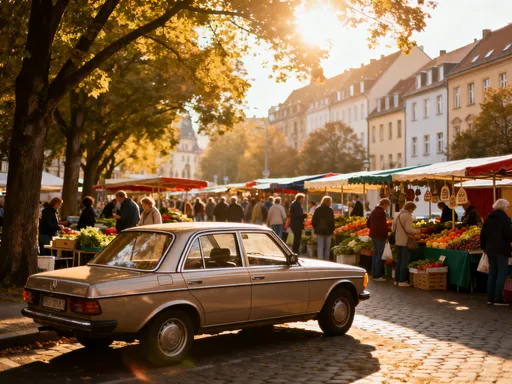
Every Saturday morning, the Pirnaischer Platz market comes alive with color, sound, and the rich aroma of fresh food. Located just south of the inner city, this weekly gathering is a favorite among Dresden residents but often overlooked by tourists. A self-drive visit allows you to arrive early—around 8:00 or 8:30 a.m.—when vendors are setting up, produce is at its freshest, and parking is still plentiful. The market operates only on weekends, so timing your trip right ensures you don’t miss this vibrant slice of local life.
Rows of wooden stalls stretch across the open square, each offering something different. Farmers display baskets of just-picked vegetables—crisp lettuce, ruby-red radishes, golden carrots still dusted with soil. Bakeries offer crusty sourdough loaves and sweet pastries dusted with powdered sugar. Butchers proudly hang smoked sausages and cured meats, while fishmongers keep their catches iced and glistening. Beyond food, artisans sell handmade soaps, knitted scarves, and hand-painted ceramics. Vintage clothing racks brim with secondhand treasures—wool coats, leather jackets, and retro dresses just waiting for a new home.
What makes Pirnaischer Platz special is its authenticity. Prices are fair, interactions are friendly, and there’s no pressure to buy. Many vendors speak enough English to communicate basics, and a smile goes a long way. Because you’re driving, you can purchase in bulk—stock up on regional honey, jars of pickled vegetables, or a large piece of artisan bread—without worrying about how to carry it all back. The nearby streets have short-term parking zones marked with blue lines, allowing up to two hours of free parking on weekends, which gives you plenty of time to explore at a leisurely pace.
For families, the market is especially welcoming. Children can watch bakers shape dough or farmers sort fresh eggs, turning shopping into a small educational adventure. Some stalls offer samples, letting you taste before you buy. It’s not just about acquiring goods; it’s about experiencing Dresden’s daily rhythm, connecting with its people, and bringing home items that carry a story. A cooler bag in the trunk helps preserve perishables, making it easy to enjoy your finds later that day or even share them with friends.
Dresden’s Design District: Hellerau’s Creative Heart
Just ten minutes northwest of central Dresden lies Hellerau, a planned garden city founded in 1909 and now a thriving hub for artists, designers, and independent makers. Originally conceived as a model community combining housing, green space, and cultural institutions, Hellerau has evolved into a destination for thoughtful design and craftsmanship. Its tree-lined streets and early 20th-century architecture create a peaceful atmosphere, ideal for unhurried exploration. While public transit reaches the area, many studios and showrooms are tucked away in side streets or shared workspaces not easily accessible by foot. A car makes visiting this creative enclave both practical and enjoyable.
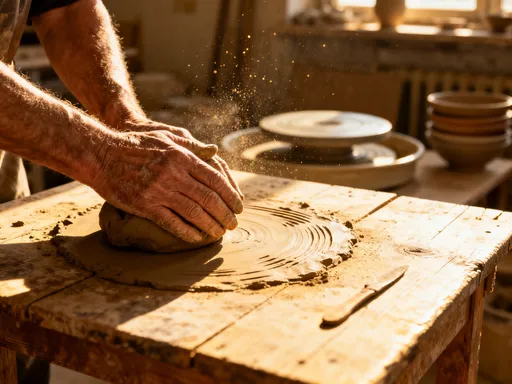
Here, shopping takes on a new meaning. Instead of browsing mass-market fashion, you’ll find ceramicists shaping delicate mugs on pottery wheels, textile artists dyeing silk with natural pigments, and furniture makers assembling solid wood tables with hand-finished details. Stores like WerkStadt Hellerau and Ateliergemeinschaft Nord focus on locally produced goods, often made in limited runs or to order. Prices reflect the skill and time involved, but many visitors find the quality and uniqueness well worth the investment. These are pieces meant to last—functional art for everyday living.
Because Hellerau is spread out, driving allows you to move efficiently between stops. Park near one studio, spend an hour talking with the artist, then drive to the next without retracing long walks. Some workshops offer short demonstrations or allow you to commission custom pieces, deepening the connection between buyer and creator. After a morning of browsing, the district’s cafés provide a chance to rest. Places like Café Zeitlos serve organic coffee and homemade cakes in a sunlit space filled with plants and books, making it the perfect spot to reflect on your finds.
Hellerau also hosts seasonal events, such as open studio days or craft fairs, which draw visitors from across Saxony. These gatherings are best experienced by car, as parking near event venues fills up quickly. Arriving early ensures you can explore at your own pace, engage with creators, and avoid the midday rush. Whether you’re looking for a hand-thrown vase, a handwoven throw, or a minimalist lamp, Hellerau offers a shopping experience rooted in sustainability, skill, and intention.
Outlet Therapy at McArthurGlen Designer Outlet
For those seeking well-known brands at reduced prices, the McArthurGlen Designer Outlet is a practical and satisfying stop. Located just off the A4 autobahn, about 15 minutes east of Dresden’s city center, this open-air shopping center is easily accessible by car and designed with road-trippers in mind. With over 70 stores, it features major European and international labels including Hugo Boss, Tommy Hilfiger, Adidas, and Michael Kors, offering discounts that typically range from 30 to 70 percent off regular retail prices. Seasonal sales, especially in January and July, bring even deeper reductions, making it an ideal time to stock up on quality wardrobe staples.
The outlet’s layout encourages relaxed browsing. Wide walkways, landscaped areas, and outdoor seating create a pleasant atmosphere, while large parking lots ensure you’ll find a spot even on busy weekends. The facility is clean, well-maintained, and family-friendly, with restrooms, baby-changing stations, and a food court offering everything from German bratwurst to Italian gelato. Because it’s designed for visitors arriving by car, there’s plenty of space to load purchases into your vehicle without hassle—no narrow store aisles or crowded elevators to navigate.
Its location near the A4 makes it easy to incorporate into a longer driving itinerary. If you’re traveling between Dresden and cities like Görlitz or even Prague, the outlet serves as a convenient mid-journey break. Fuel stations, EV charging points, and highway rest areas are nearby, allowing you to refuel both your car and yourself. Some travelers plan a full morning or afternoon here, treating it as a destination in its own right rather than just a shopping stop.
While the brands are international, the experience remains distinctly German in its efficiency and order. Staff are polite and helpful, signage is clear, and checkout lines move quickly. Unlike crowded city-center stores, here you can try on clothes in peace, compare styles across brands, and make thoughtful choices without pressure. It’s not about impulse buys—it’s about finding quality pieces at fair prices, all within a stress-free environment. For many, this blend of convenience and value makes McArthurGlen a highlight of their self-drive journey.
Hidden Gems in Prohlis and Klotzsche – Worth the Detour
Just a short drive from the city’s core lie residential neighborhoods like Prohlis and Klotzsche, where quiet streets hide delightful retail surprises. These areas are rarely mentioned in travel guides, yet they offer some of Dresden’s most charming shopping experiences. Without a car, reaching them would require multiple bus transfers or long walks, but driving makes exploration effortless. Here, shopping isn’t a performance for tourists—it’s part of daily life, carried out in small, family-run shops that value relationships over turnover.
In Prohlis, a cluster of antique stores lines the main road, each filled with carefully curated finds. One shop might specialize in mid-century lighting and vinyl records, another in vintage kitchenware and porcelain. Owners often welcome visitors with a warm greeting, happy to share the story behind a 1950s radio or a set of hand-painted teacups. Prices are reasonable, and haggling is sometimes possible, especially if you’re buying multiple items. Because these shops cater to locals, their inventory changes slowly, rewarding repeat visits and patient browsing.
Klotzsche, once home to a military airfield and now a peaceful suburb, hosts a handful of secondhand bookstores and gift boutiques tucked into converted homes. One standout is a small shop run by a retired teacher who sells pre-loved novels, children’s books, and collectible maps. Another offers handmade candles, local honey, and seasonal decorations made by regional artisans. These stores don’t advertise online, and their hours can be irregular, but that’s part of their charm. Finding them feels like a personal discovery, a reward for venturing off the beaten path.
Because these neighborhoods are residential, parking is easy—simply follow local rules and avoid blocking driveways. Many shops are open on weekday afternoons and Saturday mornings, so planning your visit accordingly ensures you won’t arrive to a closed door. The pace is slow, the interactions genuine, and the atmosphere welcoming. You’re not just buying a souvenir; you’re supporting a local economy and taking home something with history and heart.
Smart Driving Tips for a Smooth Shopping Trip
To make the most of your self-drive shopping adventure in Dresden, a few practical tips can go a long way. First, use GPS navigation wisely. While Google Maps and Apple Maps are generally reliable, downloading offline maps ensures you won’t lose signal in less-covered areas. Input your destinations before leaving your accommodation, and consider saving multiple stops as a route to minimize distractions while driving.
Pay close attention to parking regulations, especially in historic districts. Dresden uses a color-coded street marking system: blue lines indicate paid parking with time limits, usually enforced Monday through Saturday. Green lines allow limited free parking, while white lines mean unrestricted parking is permitted. Always check nearby signs for specific rules and times of enforcement. In residential areas, avoid parking in marked resident-only zones unless you have a permit. Many shopping areas offer public parking garages with hourly rates between €1.50 and €2.50—often cheaper than street parking in busy zones.
Choose a rental car with enough trunk space to accommodate your purchases. A compact SUV or station wagon offers both fuel efficiency and storage capacity, ideal for carrying everything from market produce to larger items like furniture or artwork. Ensure your rental includes navigation and, if possible, a hands-free system for safer communication. Fuel stations are plentiful, especially near highways, with average diesel and gasoline prices around €1.70–€1.90 per liter. Filling up in the morning or evening can help avoid peak pricing.
To reduce stress and environmental impact, practice eco-driving: accelerate smoothly, maintain steady speeds, and use cruise control on highways. Not only does this improve fuel efficiency, but it also makes the journey more relaxing. Avoid driving during rush hours—typically 7:00–9:00 a.m. and 4:00–6:00 p.m.—to enjoy smoother traffic flow. And remember, the goal isn’t to maximize shopping stops, but to savor the experience. Allow time to pause, explore, and enjoy the journey as much as the destination.
Conclusion: More Than Just Shopping – A New Way to Experience Dresden
Shopping in Dresden by car is about more than buying things—it’s about reclaiming the joy of discovery. It’s the freedom to move at your own pace, to follow curiosity down quiet streets, and to connect with the city’s rhythm in a deeper, more personal way. From the lively Pirnaischer Platz market to the serene studios of Hellerau, from the practical convenience of McArthurGlen to the quiet charm of Prohlis and Klotzsche, each stop tells a story. These are not just places to spend money, but spaces to engage with culture, craftsmanship, and community.
By choosing to drive, you step outside the tourist script and into a more authentic version of travel. You support small businesses, meet local makers, and bring home items that carry meaning. You trade crowds for calm, schedules for spontaneity, and transactions for connections. Dresden reveals itself not just as a city of baroque beauty, but as a living, evolving place where tradition and creativity coexist.
So next time you plan a visit, consider leaving the guidebook behind—just a little. Let your car be your compass, your trunk your treasure chest. Hit the open road, explore beyond the center, and discover the Dresden only drivers get to know. Because sometimes, the best souvenirs aren’t things you buy—they’re moments you create, memories you carry, and the quiet joy of finding something truly special, just around the next corner.