You Gotta See How Muscat’s Public Spaces Make Shopping an Adventure
Shopping in Muscat isn’t just about buying souvenirs—it’s a full sensory experience woven into the city’s public life. From sunlit souks to seaside promenades, commerce and community blend in surprising ways. I was struck by how open plazas, walkable corniches, and thoughtfully designed markets don’t just invite spending, but connection. This is retail with rhythm, where every purchase tells a story shaped by space, culture, and place. The city’s layout doesn’t separate shopping from living—it invites them to intertwine, turning errands into excursions and transactions into moments of discovery. In Muscat, you don’t just shop; you move through layers of history, craftsmanship, and daily Omani life, all framed by public spaces that prioritize people over profit.
The Heartbeat of Commerce: Public Life in Muscat’s Old Town
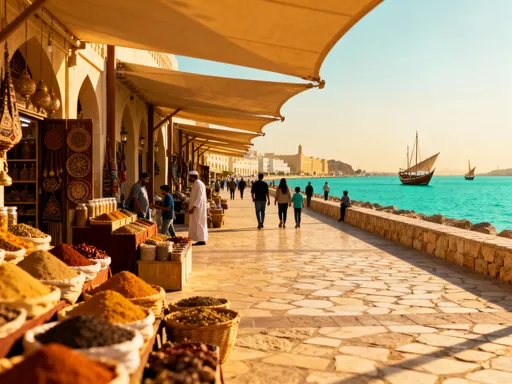
Muscat’s Old Town, particularly the historic district of Muttrah, pulses with a rhythm that feels timeless. At its core lies the Muttrah Souk, one of the oldest marketplaces in the Arabian Peninsula, where the scent of frankincense curls through narrow alleyways and the hum of barter fills the air. This is not a curated tourist attraction but a living marketplace, where Omani families, expatriates, and visitors weave through stalls stacked with handwoven textiles, gleaming silverware, and aromatic spices. The souk’s labyrinthine structure—unplanned, organic, and centuries old—encourages slow exploration. There are no straight paths, no signage pointing to exits; instead, visitors are gently guided by the flow of foot traffic, the call of a vendor offering dates, or the sudden opening of a courtyard where sunlight spills onto mosaic tiles.
What makes this shopping experience distinct is its integration into daily life. The souk is not cordoned off as a heritage site but functions as a vital artery of local commerce. Women in colorful abayas haggle over the price of Omani halwa, while fishermen nearby sell fresh catch at the harbor. The pedestrian-only nature of the area ensures safety and comfort, allowing children to dart between stalls and elders to move at their own pace. Shaded walkways, supported by centuries-old coral stone arches, protect shoppers from the midday sun, creating a microclimate where time slows and interaction deepens. This is commerce as ritual—every exchange layered with gesture, smile, and shared understanding.
The souk’s design, though ancient, aligns with modern urban ideals of walkability and human scale. There are no large vehicles, no loud advertisements, no fluorescent lighting. Instead, natural light filters through gaps in the roof, and the sound of footsteps on stone blends with the murmur of conversation. This sensory richness transforms shopping from a transaction into an immersion. Visitors don’t just buy; they observe, listen, and participate. A purchase of a hand-embroidered khanjar sheath or a vial of aged oud oil becomes meaningful because it’s made within a context of trust and tradition. The souk doesn’t sell products—it sells presence.
From Market to Corniche: Seamless Transitions in Urban Design
One of Muscat’s most elegant urban achievements is the seamless connection between the Muttrah Souk and the Muttrah Corniche. Exiting the souk, visitors step directly onto a broad, palm-lined promenade that hugs the coastline, offering panoramic views of the Gulf of Oman. This transition—from enclosed market to open waterfront—is not accidental but a deliberate act of urban planning that prioritizes continuity in public experience. The corniche extends the energy of the souk into a space of leisure, where shopping naturally flows into strolling, dining, and relaxation.
The design of the corniche reflects a deep understanding of human behavior in public spaces. Wide, smooth pathways accommodate families, joggers, and couples walking side by side. Strategically placed benches, often shaded by pergolas or trees, invite people to pause and absorb the sea breeze. Street vendors line the edge, selling everything from fresh coconut water to hand-painted postcards, maintaining the commercial thread without overwhelming the environment. Unlike crowded boardwalks in other cities, the corniche feels spacious and uncluttered, a balance achieved through careful zoning and maintenance.
What stands out is the absence of vehicular traffic. Cars are routed behind the scenes, allowing the waterfront to remain a sanctuary for pedestrians. This car-free zone enhances safety, reduces noise pollution, and fosters a sense of calm. Families spread out on the grassy areas near the Al Bukha Palace, children fly kites, and fishermen cast lines from the breakwater—scenes of everyday life that enrich the visitor’s experience. The corniche doesn’t merely complement the souk; it completes it, turning a shopping trip into a full-day outing that blends commerce, culture, and recreation.
This integration is a model of thoughtful urban design. By connecting two distinct environments—indoor market and outdoor promenade—Muscat creates a narrative arc for the visitor. One begins in the intimacy of the souk, surrounded by scent and sound, then emerges into the openness of the sea, where the mind can breathe. The journey mirrors a rhythm of contraction and expansion, of engagement and reflection. It’s a subtle but powerful way to make shopping feel less like consumption and more like exploration.
Modern Meets Traditional: The Role of Mixed-Use Spaces
While the old town offers a glimpse into Muscat’s heritage, newer districts like Qurum Commercial Area illustrate how the city is evolving without erasing its identity. Here, modern malls stand alongside open-air plazas, creating hybrid spaces that cater to diverse lifestyles. The design philosophy is not about replacing tradition but weaving it into contemporary life. In Qurum, one might enter a climate-controlled shopping center to escape the heat, only to emerge into a sunlit courtyard where Omani musicians perform during weekends.
These mixed-use developments are carefully calibrated to balance global convenience with local authenticity. International brands are present, but they coexist with Omani boutiques selling traditional dress, silver jewelry, and incense. The architecture often incorporates regional elements—arched windows, stone facades, and shaded arcades—that echo the old souks while meeting modern standards of comfort and accessibility. Landscaped gardens, fountains, and shaded seating areas encourage people to linger, transforming shopping from a rushed errand into a social event.
What sets these spaces apart is their attention to atmosphere. Unlike sterile shopping centers elsewhere, Qurum’s plazas are alive with activity. On Friday mornings, families gather for breakfast at outdoor cafes, children play in designated play zones, and elderly residents sip gahwa (Omani coffee) under pergolas. Cultural performances—folk dances, craft demonstrations, and seasonal festivals—are regularly scheduled, turning commercial areas into cultural stages. This programming ensures that even routine shopping trips carry a sense of occasion.
The success of these mixed-use zones lies in their ability to serve multiple functions simultaneously. They are places of commerce, yes, but also of gathering, celebration, and rest. By integrating green spaces, public art, and community events, Muscat ensures that modern development enhances rather than displaces public life. This approach reflects a broader vision: that cities should not choose between progress and tradition, but find ways to honor both.
Plazas That Breathe: How Open Spaces Shape Consumer Behavior
In Al Mouj Marina Plaza, one of Muscat’s most vibrant public spaces, shopping feels effortless. The plaza is designed with generosity—wide walkways, abundant greenery, and open sightlines that invite exploration. Water features glisten under the sun, and palm trees provide dappled shade. Unlike tightly packed retail corridors, this space gives people room to move, pause, and choose. The psychology is clear: when people feel unconfined, they are more likely to wander, discover, and engage.
Research in environmental psychology supports this. Spacious layouts reduce cognitive load, making visitors feel more relaxed and open to new experiences. In Al Mouj, this translates into longer dwell times and increased social interaction. Couples sit together on curved benches, friends laugh over iced drinks at outdoor tables, and parents watch children chase pigeons near the fountain. These moments of leisure are not distractions from shopping—they are integral to it. When people enjoy being in a place, they are more likely to support the businesses within it.
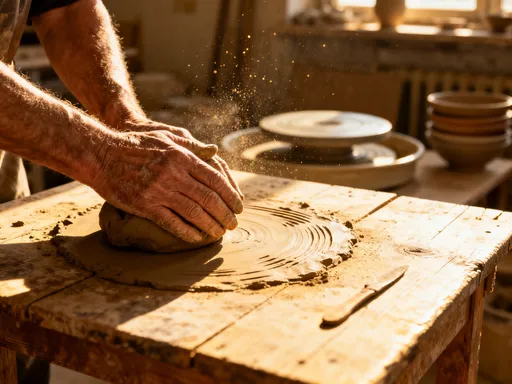
The plaza also hosts regular events—farmer’s markets, art exhibitions, live music nights—that transform it into a destination rather than a pass-through. These gatherings draw people in for reasons beyond shopping, yet they often lead to unplanned purchases. A visitor might come for a jazz performance and leave with a handmade ceramic bowl from a local artisan. This serendipity is by design. By programming cultural and community activities, Muscat turns commercial spaces into stages for everyday joy.
Moreover, the integration of nature plays a crucial role. Trees, grass, and water elements do more than beautify—they regulate temperature, reduce noise, and improve air quality. In a region known for intense heat, these features make outdoor shopping viable even in warmer months. Shaded walkways and misting stations further enhance comfort, ensuring that public spaces remain accessible and inviting year-round. Al Mouj Marina Plaza exemplifies how thoughtful urban design can shape behavior, turning routine errands into memorable outings.
Local Life on Display: Markets as Cultural Hubs
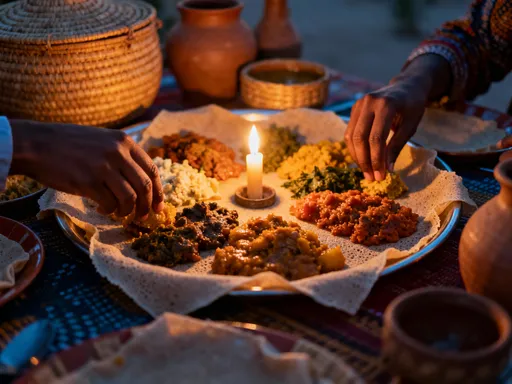
Beyond permanent markets, Muscat’s weekly pop-up bazaars offer another dimension of public commerce. Held in open parks and community centers, these temporary markets showcase the richness of Omani culture. Every Friday, the Royal Opera House grounds transform into a bustling marketplace where artisans sell handcrafted pottery, woven baskets, and natural skincare products made from local ingredients. Food stalls serve traditional dishes—shuwa, harees, and fruit sharbats—prepared by home cooks and small vendors.
These markets are more than shopping destinations; they are celebrations of identity. Unlike commercial malls, where brands dominate, pop-up bazaars center the individual maker. Each stall tells a story—of a woman preserving her grandmother’s recipes, of a young designer reinventing Omani motifs for modern wear. The absence of corporate branding creates a sense of authenticity that resonates deeply with visitors. People don’t just buy goods; they connect with the people behind them.
Music and performance are woven into the experience. Live tanbura players strum traditional melodies, children participate in henna painting workshops, and elders gather to share stories over cups of tea. These elements transform the market from a place of transaction into a living cultural hub. For families, it’s a weekend ritual—a chance to reconnect with heritage while enjoying fresh food and handmade goods. For tourists, it’s an unfiltered glimpse into Omani life.
The success of these markets lies in their accessibility and inclusivity. They are free to enter, easy to reach by public transport or foot, and welcoming to all ages. Vendors are often local residents, not professional sellers, which fosters a sense of community ownership. This model proves that public spaces can support economic activity without sacrificing authenticity. In Muscat, commerce and culture are not in conflict—they are partners in shaping a vibrant urban life.
Walkability and Wayfinding: Navigating Muscat’s Shopping Landscapes
Navigating Muscat’s commercial zones is remarkably intuitive, thanks to a well-considered pedestrian network. Signage is clear and consistent, using both Arabic and English, with icons that guide even non-readers. Pavement design plays a subtle but important role—different textures and colors indicate transitions between zones, such as from market to plaza or from shaded path to open square. These cues help visitors orient themselves without feeling lost.
Safety is prioritized at every level. Crosswalks are clearly marked, pedestrian signals are timed for comfort, and lighting ensures visibility at night. In areas with heavier foot traffic, such as near the souk or marina, security personnel are visible but unobtrusive, contributing to a sense of security without creating a militarized atmosphere. For families, this means children can walk freely, and elders can move without anxiety.
Comfort is equally important. Shade structures—whether permanent canopies or rows of trees—are strategically placed along walking routes. Rest areas with seating and water fountains are spaced at regular intervals, allowing people to recharge during long outings. In a climate where midday heat can be intense, these features make extended exploration possible. Even in summer, visitors can enjoy the corniche or plaza thanks to thoughtful microclimate design.
The city’s approach to walkability reflects a deep respect for the human experience. It recognizes that people are more likely to engage with public spaces when they feel safe, comfortable, and oriented. By investing in these details, Muscat ensures that shopping is not a chore but a pleasure—a journey that unfolds naturally, step by step.
Designing for Dwell: The Future of Public-Centric Retail in Muscat
Looking ahead, Muscat’s urban planning continues to prioritize public space as the foundation of commercial life. Upcoming developments, such as the Muscat Hills project and expansions along the coastline, emphasize sustainability, cultural preservation, and resident well-being. These projects are not driven solely by economic growth but by a vision of cities as places for living, not just transacting.
Sustainability is a key pillar. New developments incorporate solar shading, natural ventilation, and water-efficient landscaping to reduce environmental impact. Pedestrian pathways are designed to minimize car dependency, encouraging walking, cycling, and public transit. Mixed-use zoning ensures that homes, shops, and parks coexist, reducing the need for long commutes and fostering neighborhood cohesion.
Cultural preservation remains central. Rather than importing generic global designs, planners draw from Omani architectural traditions—courtyards, wind towers, and intricate latticework—to create spaces that feel rooted in place. Public art, historical markers, and heritage trails help residents and visitors connect with the city’s past, ensuring that modernization does not erase memory.
Most importantly, the focus is on human well-being. Public spaces are designed not just for use, but for joy—places where people want to linger, not just pass through. By placing people at the center of urban design, Muscat offers a powerful alternative to car-centric, consumption-driven models. It shows that cities can be both modern and humane, efficient and enchanting.
Muscat redefines shopping not as a task, but as a journey through shared spaces and stories. By embedding commerce within vibrant public life, the city creates experiences that linger far beyond the purchase. It reminds us that the best cities are not measured by how much they sell, but by how well they support connection, culture, and the simple pleasure of being together.