You Won’t Believe These Hidden Natural Gems Outside Novi Sad
Ever thought Serbia had more than just cities and history? I didn’t either—until I slowed down and explored the wild side of Novi Sad. Ditching the rush, I discovered riverside trails, untouched wetlands, and quiet forest paths that feel worlds away from the city. This isn’t about ticking landmarks; it’s about breathing in the stillness, watching herons glide over reeds, and finding peace where few tourists go. Slow travel here doesn’t just change your pace—it changes how you see nature.
Why Slow Travel Fits Novi Sad’s Natural Rhythm
When most travelers think of Novi Sad, their minds jump to the energetic Exit Festival, the grandeur of Petrovaradin Fortress, or the charm of its Austro-Hungarian streets. These are valid draws, but they only tell half the story. Beyond the city’s cultural pulse lies a landscape of quiet rivers, rolling hills, and biodiverse forests that reward those who move slowly and observe closely. Slow travel, defined by mindful presence and deeper engagement with place, finds a natural home in the surroundings of Novi Sad.
Unlike fast-paced sightseeing, which often treats destinations as checklists, slow travel encourages immersion. It means allowing time to sit by the riverbank and watch the current shift, or pausing on a forest trail to identify bird calls. In the context of Novi Sad, this approach reveals a lesser-known dimension—one shaped by seasonal floods, migratory birds, and centuries-old forests. The city itself rests at the edge of vast natural systems, and stepping beyond its borders becomes less of a day trip and more of a sensory journey.
Many visitors arrive with expectations shaped by guidebooks focused on urban highlights. What they often don’t anticipate is how swiftly the city’s noise fades when you cycle just ten kilometers south or hike into the foothills of Fruška Gora. The contrast is striking: one moment you’re in a café with jazz spilling onto the sidewalk, the next you’re walking through a dew-covered meadow where the only sound is the rustle of reeds. This transition is not just geographical—it’s psychological. It invites a recalibration of what travel can be.
Taking time to explore these landscapes fosters a deeper connection not only to nature but also to the local way of life. Farmers tending small plots, beekeepers harvesting wildflower honey, and fishermen mending nets at dawn—all of these moments become part of the experience when you’re not rushing. The rhythm of the land, shaped by river cycles and agricultural seasons, teaches patience and presence. And in a world where travel often feels transactional, this shift in mindset can be transformative.
Fruška Gora National Park: Serbia’s Green Sanctuary
Just a short drive from Novi Sad lies Fruška Gora National Park, a forested ridge rising from the flat plains of Vojvodina like a green spine across the northern horizon. Established in 1960, the park covers over 26,000 hectares and is one of Serbia’s oldest protected areas. It’s often called the “jewel of the Danube” for its rich biodiversity, housing more than 1,000 plant species, 200 types of birds, and rare mammals like the wildcat and European pine marten. But beyond statistics, what makes Fruška Gora special is its atmosphere—a blend of wilderness, history, and quiet solitude.
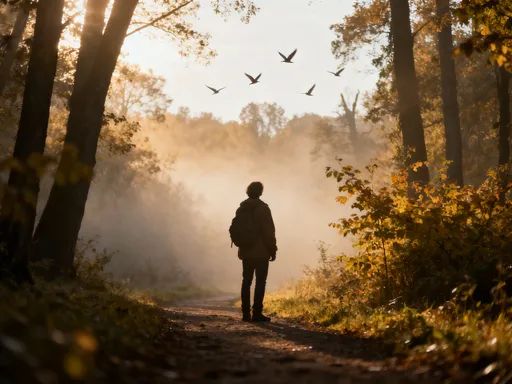
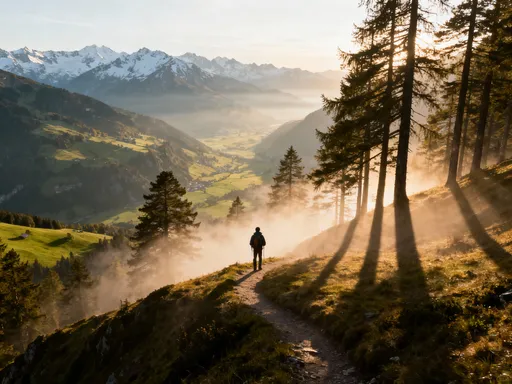
The park’s network of trails ranges from well-marked paths to overgrown forest routes that require a map and a bit of courage. One of the most rewarding experiences is hiking the trail from Staro Selo toward the Monastery of Grgeteg. Early in the morning, when mist still clings to the valley floor, the forest feels enchanted. Sunlight filters through the canopy in golden shafts, illuminating moss-covered rocks and ancient oaks. The air carries the scent of damp earth and wild thyme, and the only sounds are the distant call of a woodpecker and the soft crunch of leaves underfoot.
Along the way, the landscape shifts subtly. You pass clearings where wild strawberries grow in summer, cross small streams on weathered wooden bridges, and catch glimpses of vineyards clinging to southern slopes. Fruška Gora is also one of Serbia’s oldest wine regions, and many trails skirt family-run vineyards where you can stop for a tasting of Frankovka or Smederevka—local red and white varieties. The integration of nature and agriculture here feels harmonious, not imposed.
For those seeking solitude, the northern slopes of the park offer fewer crowds and a wilder feel. Trails like the one from Čerević toward the ruins of the Krušedol Monastery’s old hermitage wind through dense beech and hornbeam forests, where deer tracks are often visible in soft soil. The best time to visit is spring or early autumn, when temperatures are mild and the forest is alive with bird song. Summer can be hot and humid, while winter brings frost and occasional snow, making some paths slippery.
Visitors should come prepared with sturdy footwear, plenty of water, and a basic map—mobile signal is unreliable in deeper areas. There are no marked trash bins on most trails, so carrying out all waste is essential. While the park has several restaurants and guesthouses near monasteries, bringing your own food allows for a more intimate experience. Above all, the key is to move slowly. This is not a place to rush through. Each turn in the trail offers something new: a sunlit clearing, a hidden spring, the sudden flash of a green lizard darting across the path.
The Danube’s Hidden Shores: Beyond the City Banks
The Danube River defines Novi Sad’s identity, flowing past the city with a quiet, powerful grace. But while most people admire it from the fortress walls or the bustling Ribarsko Ostrvo, few venture to the stretches of riverbank that lie beyond the urban core. Just a few kilometers upstream or downstream, the river reveals a different character—wide, wild, and often completely deserted. These hidden shores offer some of the most peaceful and visually striking natural experiences in the region.
South of the city, near the village of Srbobran, the river widens into a network of sandbars, shallow inlets, and reed beds that stretch for kilometers. At low water levels, sandbanks emerge like temporary islands, perfect for a quiet picnic or a swim in the warm summer months. The reeds, tall and dense, provide shelter for birds such as herons, kingfishers, and warblers. With a pair of binoculars, it’s possible to spot the elusive purple heron or the bright flash of a bee-eater darting between branches.
North of Novi Sad, near the village of Petrovaradin, the riverbanks are steeper and more forested. Here, trails lead down to secluded coves where the water is clear and the current gentle. These spots are ideal for kayaking or simply sitting and watching the river flow. The difference between viewing the Danube from a distance and experiencing it at water level is profound. When you’re on the shore, you notice the small details: the way the current swirls around a half-submerged log, the pattern of ripples in the morning light, the soft lap of waves against the bank.
Accessing these areas requires a bit of local knowledge. Some roads are unpaved and poorly marked, so using a GPS with offline maps is recommended. Parking is usually informal—along village roads or near agricultural fields. Safety is important: the river can be deceptively strong, especially after rainfall, so swimming should only be done in calm, shallow areas. It’s also wise to avoid visiting alone, especially in remote sections.
Eco-friendly practices are crucial. These shores are fragile ecosystems, and litter or off-trail walking can damage vegetation and disturb wildlife. Travelers are encouraged to follow the “leave no trace” principle: pack out all trash, avoid loud noises, and refrain from lighting fires. By respecting these spaces, visitors help ensure they remain pristine for future generations. For those who do, the reward is a rare kind of stillness—one that feels increasingly scarce in modern travel.
Rimski Šančevi and the Charm of Floodplain Landscapes
Just east of Novi Sad, stretching along the Danube’s floodplain, lies Rimski Šančevi—a quiet, flat landscape of meadows, wetlands, and oxbow lakes that changes dramatically with the seasons. This area, part of the larger Danube-Drava floodplain system, is ecologically significant, serving as a refuge for birds, amphibians, and rare plant species. Yet it remains largely overlooked by tourists, making it a perfect destination for those seeking solitude and natural beauty without fanfare.
In spring, when the Danube overflows its banks, Rimski Šančevi transforms into a network of shallow pools and marshes. This seasonal flooding revitalizes the soil and creates ideal conditions for waterfowl. Early morning walks during this time can yield sightings of great egrets stalking fish in the shallows, grebes diving for insects, and marsh harriers gliding low over the reeds. The air is filled with the chirping of frogs and the soft calls of nesting birds. Wildflowers like yellow iris and purple loosestrife bloom along the edges, painting the landscape in soft hues.
By summer, much of the water recedes, revealing vast grasslands dotted with grazing cattle and buzzing with butterflies. The oxbow lakes, cut off from the main river, become still and mirror-like, reflecting the sky and surrounding trees. This is an excellent time for photography, especially at dawn or dusk when the light is golden and the air is still. Turtles sun themselves on logs, and dragonflies hover over the water, their wings catching the sunlight.
The area is accessible via several dirt roads from the villages of Kameničko and Čenej. There are no formal trails, so navigation requires a map or GPS. A pair of waterproof boots is essential in spring, while a wide-brimmed hat and insect repellent are recommended in summer. Birdwatchers should bring binoculars and a field guide, as over 150 species have been recorded here. The best times to visit are early morning or late afternoon, when animals are most active and the light is most flattering.
Rimski Šančevi offers a rare opportunity to witness nature’s cycles in action. It’s not a manicured park or a curated experience—it’s a living, breathing landscape shaped by water, soil, and time. For travelers willing to embrace its quiet rhythm, it provides a deep sense of connection to the natural world. And because it’s so little visited, it feels like a secret—one that rewards those who take the time to discover it.
Cycling the Danube Corridor: A Journey at Ground Level
One of the most rewarding ways to explore the natural areas around Novi Sad is by bicycle. The flat terrain of Vojvodina, combined with a network of low-traffic roads and dirt paths, makes cycling both accessible and enjoyable. Unlike driving, which separates you from the landscape, cycling allows you to move at a pace that lets you smell wild herbs, feel the breeze, and notice small details—a bee on a flower, a farmer waving from a field, the sudden shade of a tree line.
A recommended route begins in Novi Sad and follows the Danube south toward Sremski Karlovci, then continues through villages like Gardoš and Irig before looping back through the forests of Fruška Gora. This route, approximately 60 kilometers in total, connects urban, rural, and natural landscapes. Along the way, cyclists pass vineyards, Orthodox monasteries, and small family-run restaurants where they can stop for a meal of grilled fish, fresh cheese, and local wine.
The experience of cycling slowly through this region fosters a sense of immersion that few other forms of travel can match. You’re not just passing through—you’re part of the landscape. Children wave from gardens, dogs bark from behind fences, and elders sit outside their homes, nodding in greeting. These small human connections enrich the journey, grounding it in place and community.
For those without their own bikes, several rental shops in Novi Sad offer well-maintained touring and hybrid models. Some even provide panniers, repair kits, and GPS devices. Before setting out, it’s wise to check tire pressure, carry water and snacks, and wear layers—weather can change quickly. Navigation is easiest with a smartphone app like Komoot or Maps.me, which work offline and show bike-friendly paths.
The Danube corridor route is suitable for riders of moderate fitness. While there are no steep climbs, the distances can be tiring, so planning rest stops is important. The journey is not about speed or achievement—it’s about presence. Each kilometer pedaled offers a new perspective, a new sound, a new scent. And at the end of the day, when you return to the city, you carry not just memories, but a deeper understanding of the land and its rhythms.
Seasonal Shifts: When and Where to Go
The natural landscapes around Novi Sad change dramatically with the seasons, each offering unique experiences and challenges. Understanding these shifts can help travelers choose the best time for their visit and prepare accordingly.
Spring, from March to May, is one of the most vibrant times to explore. The snowmelt from Fruška Gora swells the Danube, flooding low-lying areas and creating rich wetlands. Wildflowers bloom in meadows, birds return from migration, and the air is filled with the sound of frogs and songbirds. Trails in the national park are soft underfoot, and temperatures are mild. However, spring rains can make dirt roads muddy, so waterproof footwear and layered clothing are essential.
Summer, from June to August, brings heat and long days. While city temperatures can rise, the forests of Fruška Gora offer welcome shade, and the river provides opportunities for swimming and cooling off. Early mornings and late afternoons are the best times to be outdoors. This is also peak season for birdwatching in the reed beds and for enjoying fresh local produce—melons, cherries, and plums—at village markets. Sunscreen, hats, and plenty of water are must-haves.
Autumn, from September to November, is often considered the most beautiful season. The vineyards turn golden, the forests blaze with color, and the air is crisp and clear. This is an ideal time for hiking and cycling, with comfortable temperatures and fewer tourists. Migratory birds pass through in large numbers, making it a prime season for birdwatching. Light jackets and layered clothing are recommended, as nights can be cool.
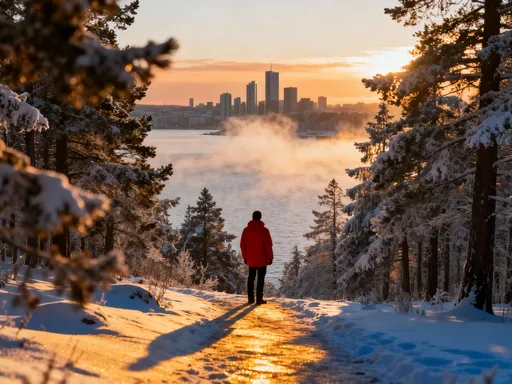
Winter, from December to February, transforms the landscape into a quiet, monochrome world. Snow covers the fields and forests, and the riverbanks become still and hushed. While some trails may be icy, winter offers a rare sense of solitude and beauty. Tracks of foxes and deer in the snow, frost-covered reeds, and the soft crunch of footsteps on frozen ground create a peaceful atmosphere. Warm clothing, insulated boots, and caution on slippery paths are necessary.
Regardless of season, packing should include a reusable water bottle, a small first-aid kit, and a notebook for observations. A camera or sketchbook can enhance the experience, allowing travelers to capture moments that words alone cannot describe. By aligning visits with the seasons, travelers gain a fuller, richer understanding of the region’s natural cycles.
Making It Meaningful: How to Travel Slowly and Respectfully
Slow travel is not just about pace—it’s about intention. In the natural areas around Novi Sad, this means moving with care, observing with attention, and leaving minimal impact. The trails, wetlands, and riverbanks are not theme parks; they are living ecosystems that depend on balance and respect.
One of the most important principles is to stay on marked paths. Venturing off-trail can damage fragile vegetation, disturb nesting animals, and accelerate erosion. Similarly, littering—even a banana peel or a plastic wrapper—can harm wildlife and pollute water sources. Carrying out all waste, including organic matter, is a simple but powerful act of stewardship.
Supporting local communities is another way to travel meaningfully. Choosing small family-run guesthouses, eating at village restaurants, and buying from farmers’ markets not only enhances the experience but also contributes directly to the local economy. A cup of coffee at a roadside kafana or a plate of homemade cheese from a farmer’s stand connects travelers to the people who call this region home.
For deeper engagement, consider journaling, sketching, or simply sitting in silence for a few minutes. These practices slow the mind and sharpen awareness. You might notice the way light filters through leaves, the sound of wind in the reeds, or the sudden flight of a bird. These small moments, when truly observed, become the heart of the journey.
Finally, remember that the goal is not to collect experiences but to be present within them. In a world that often values speed and efficiency, choosing slowness is a quiet act of resistance. It says that some things—like the rustle of a forest, the stillness of a dawn river, the warmth of a local smile—are worth taking time for. And in that time, we don’t just see nature—we become part of it.
The true soul of Novi Sad isn’t just in its vibrant streets or historic hills—it’s in the whisper of the wind through reeds, the crunch of leaves underfoot, and the calm of a sunrise over the Danube. By choosing slow travel, we don’t just see more; we feel more. These natural spaces invite not just visits, but presence. And in that presence, we find a richer, quieter kind of adventure—one that stays long after the journey ends.