You Won’t Believe This Secret Dining Scene in Addis Ababa
Addis Ababa isn’t just Ethiopia’s bustling capital—it’s a hidden food paradise waiting to be explored. I never expected to find such rich flavors in a city often overlooked by travelers. From traditional stews served on injera to underground spots locals won’t tell tourists about, the dining experience here is raw, real, and unforgettable. This is more than a meal—it’s a cultural journey on a plate. The air hums with the scent of roasting coffee and simmering spices, while laughter spills from courtyard tables where families gather every evening. In a world where so much of travel has become predictable, Addis Ababa offers something rare: authenticity that isn’t staged, flavors that aren’t watered down, and hospitality that feels deeply personal. This is not just where to eat—it’s how to belong, even if only for one shared dinner.
The Heartbeat of Ethiopian Cuisine in the City
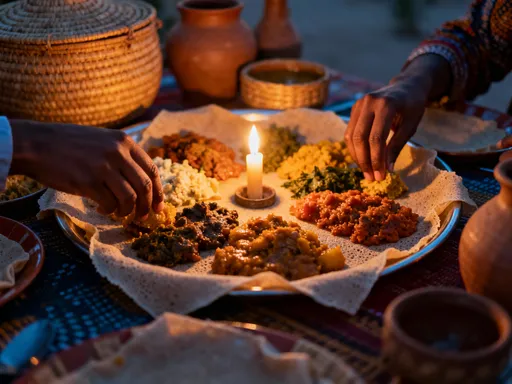
Ethiopian cuisine is built on centuries of tradition, and nowhere is this more evident than in the homes and kitchens of Addis Ababa. At the core of every meal lies injera, a spongy sourdough flatbread made from teff, a nutrient-rich ancient grain native to the highlands. This humble bread is more than sustenance—it’s the foundation of the dining experience, serving as both plate and utensil. Meals are served atop a large piece of injera, with colorful stews known as wats arranged in artistic swirls. Diners tear off pieces of the bread and use them to scoop up the food, a practice that turns eating into an intimate, tactile ritual.
The flavors of Addis Ababa’s food are shaped by a handful of powerful ingredients, chief among them being berbere—a fiery blend of chili peppers, garlic, ginger, and up to a dozen aromatic spices. This complex seasoning is the soul of many dishes, including the beloved doro wat, a slow-cooked chicken stew that simmers for hours until the meat falls effortlessly from the bone. Equally important is niter kibbeh, a spiced clarified butter infused with herbs and spices that adds depth and richness to nearly every savory dish. These ingredients are not merely flavor enhancers; they are expressions of heritage, passed down through generations with care and pride.
Dining in Addis Ababa is inherently communal. Meals are rarely eaten alone. Instead, families and friends gather around a shared platter, reinforcing bonds through every bite. This collective style of eating fosters connection and conversation, making food a social event as much as a nourishing one. The rhythm of the meal is deliberate, unhurried—meant to be savored, not rushed. It is common for guests to be served first, a gesture of deep respect and generosity that underscores the Ethiopian value of hospitality, known as *gursha*.
Beyond the food itself, the full sensory experience is elevated by traditions like the coffee ceremony, which often follows a meal. Performed almost exclusively by women, the ceremony involves roasting green coffee beans over a small flame, grinding them by hand, and brewing the coffee in a jebena, a traditional clay pot. The rich aroma fills the room, and the act of serving three rounds—abol, tona, and baraka—symbolizes blessing and continuity. Equally significant is tella, a homemade beer brewed from barley or maize, often shared during celebrations. These rituals do not merely accompany the meal—they complete it, transforming eating into a cultural celebration.
Beyond the Tourist Trail: Finding Authentic Spots
Most visitors to Addis Ababa begin their culinary journey in familiar territory—hotel restaurants, expat-friendly cafes in Bole, or the occasional well-reviewed spot in Piazza. While these places offer comfort and consistency, they often lack the depth and authenticity found in the city’s residential neighborhoods. The real magic happens where locals eat: tucked-away homes, unmarked doorways, and bustling side-street stalls that don’t appear on any map. These are not destinations for the passive traveler. They require curiosity, a bit of courage, and most importantly, local insight.
The shift from tourist zones to authentic dining begins with a change in mindset. Instead of seeking polished menus and English-speaking staff, travelers must learn to follow their senses. The best indicator of a great meal is often the smell—wood smoke curling from a backyard grill, the tang of fermenting injera, or the warm spice of berbere drifting through an open window. Sounds also guide the way: the rhythmic pounding of a mortar and pestle, the clatter of metal lids, and the steady hum of Amharic conversation. These are the signs of kitchens alive with tradition, not performance.
Many of the most authentic dining experiences in Addis Ababa are not listed on any app or travel guide. They thrive on word of mouth, recommended by neighbors, colleagues, or trusted drivers. Some are informal setups in family courtyards, where a mother or grandmother cooks for a small group of guests every evening. Others are hidden within apartment buildings, accessible only by a code or a nod from the guard. These places do not advertise because they don’t need to—they are sustained by loyalty, not tourism.
One such example is a small gathering in Kazanchis, where a retired schoolteacher opens her home twice a week to serve traditional meals to a rotating group of locals and a few carefully introduced visitors. There is no sign, no menu, and no fixed price. Guests are welcomed like family, seated on low stools around a woven mesob table, and served whatever has been prepared that day. The walls are lined with family photos and embroidered textiles, and the atmosphere is warm, unhurried, and deeply personal. This is not dining as entertainment—it is dining as life.
The Rise of Underground Dining Experiences
In recent years, a quiet movement has been growing in Addis Ababa: the rise of underground dining. These are not pop-up restaurants or trendy supper clubs, but intimate, home-based meals hosted by individuals who want to share their culture in a meaningful way. Often held in private homes, garden courtyards, or converted garages, these gatherings offer a level of connection rarely found in commercial spaces. They are not designed for mass appeal, but for genuine exchange.
What sets these experiences apart is their informality and depth. A host might begin the evening by explaining the origins of the dishes being served, sharing stories about childhood meals or family recipes passed down from grandparents. Others incorporate music, inviting a friend to play the krar, a five-stringed lyre, or leading a simple dance that encourages guests to join in. These moments transform dinner into a living cultural performance, one that unfolds naturally rather than being staged for an audience.
Access to these gatherings is often restricted, not out of exclusivity, but out of respect. Many hosts are not professional restaurateurs—they are teachers, civil servants, or retirees who cook because they love it. They open their homes selectively, often requiring an introduction from someone they trust. Some ask guests not to share exact addresses online, preserving the privacy and integrity of the experience. This discretion is not about secrecy for its own sake, but about protecting a space where authenticity can thrive without commercial pressure.
For travelers, gaining entry to one of these meals is a privilege. It requires patience, humility, and a willingness to let go of control. There is no reservation system, no online booking, and no guarantee of availability. Instead, connections are built slowly, through conversation, kindness, and genuine interest. When an invitation is extended, it is a sign of trust—a rare and meaningful gesture in any culture.
Must-Try Dishes and Where to Find Them
To truly experience Addis Ababa’s culinary soul, certain dishes are essential. Each tells a story, reflects a region, or marks a moment in Ethiopian life. Among the most iconic is doro wat, a rich chicken stew slow-cooked with onions, berbere, and hard-boiled eggs. Traditionally served during holidays like Easter and weddings, it is a dish of celebration and abundance. The best versions are found in homes or long-standing local restaurants in Piazza, where the stew has been simmering for generations.
Another must-try is kitfo, a dish made from finely minced raw beef seasoned with mitmita (a spicy chili powder) and niter kibbeh. While it may challenge some palates, kitfo is a delicacy among Ethiopians, especially in the Gurage community. It is often served with ayib, a fresh cheese, and gomen, a sautéed collard greens dish flavored with garlic and ginger. For the most authentic experience, seek out backyard setups in neighborhoods like Kazanchis or Arada, where the meat is prepared fresh and served with pride.
Vegetarian travelers will find plenty to love in Ethiopian cuisine. Shiro, a thick stew made from ground chickpeas or lentils, is a staple that appears on tables across the city. Simmered with tomatoes, onions, and spices, it is both hearty and comforting. Equally popular is misir wat, a red lentil stew that balances heat and sweetness beautifully. These dishes are often part of a larger vegetarian platter called ye’tsom beyaynetu, served during fasting periods observed by the Ethiopian Orthodox Church.
When dining in Addis Ababa, practical considerations matter. Look for clean, well-organized kitchens—even in informal settings, hygiene is taken seriously. Observe how food is handled and stored. Fresh injera should have a slight sourness, not a musty odor. Meals are best enjoyed during lunch or early dinner, typically between 12:00 and 7:00 PM, when dishes are freshly prepared. Avoid arriving too late, as many home-based spots close once the food runs out. And always be ready to eat with your hands—this is not just expected, it’s part of the joy.
Navigating the City’s Dining Geography
Addis Ababa is a city of neighborhoods, each with its own culinary personality. Understanding these distinctions can help travelers find the right meal for the right moment. Bole, a modern district with wide avenues and international hotels, is known for fusion cuisine—think Ethiopian-spiced pastas, coffee lattes with cardamom, and upscale cafes with live music. It’s a great place to start, especially for those adjusting to the city’s pace.
Mercato, one of Africa’s largest open-air markets, offers a bolder, more adventurous food scene. Here, street vendors grill meat over open flames, sell freshly baked injera from clay ovens, and serve spicy lentil stews in reused tin cans. The atmosphere is chaotic but exhilarating, full of color, noise, and scent. While it may feel overwhelming at first, Mercato rewards the curious traveler with some of the most authentic street food in the city. Just be mindful of surroundings, keep belongings secure, and choose stalls with high turnover to ensure freshness.
Sidist Kilo, home to Addis Ababa University, is a hub for affordable, student-friendly dining. Small restaurants and cafés line the streets, offering generous portions at low prices. This area is ideal for trying a variety of dishes without spending much. Many spots here specialize in specific wats, allowing visitors to sample regional specialties from across Ethiopia. The vibe is casual, youthful, and welcoming.
Getting around safely is key. Ride-hailing apps like RIDE and Feres are reliable and widely used. Traditional blue-and-white taxis are also available, but it’s best to agree on the fare before starting the journey. Walking is pleasant in quieter areas during daylight, especially in neighborhoods like Mexico or Cazanchis, where tree-lined streets create a relaxed atmosphere. In busier markets, stay alert and avoid carrying large amounts of cash. With a little planning, exploring the city’s food map becomes not just safe, but deeply rewarding.
Etiquette, Gestures, and the Art of Sharing Food
Dining in Addis Ababa is as much about behavior as it is about taste. Certain customs, when followed, show respect and open doors to deeper connection. The most important rule is to eat with the right hand. The left hand is traditionally considered unclean, so using it to handle food—even to pass a dish—can be seen as disrespectful. Tearing off a piece of injera and using it to scoop up stew is not only practical but also a sign of participation in the communal spirit.
One of the most meaningful gestures is accepting *gursha*—a bite of food hand-fed by another diner. This act, deeply rooted in trust and affection, is often offered between close friends, family members, or honored guests. To refuse it can be seen as a slight, so even if hesitant, it is best to accept with a smile and a quiet “amasegenalehu” (thank you). In return, offering gursha to others is a powerful way to build rapport and show appreciation.
Respect for elders is central to Ethiopian dining culture. It is customary for older guests to be served first, and for younger diners to wait their turn. Speaking loudly, interrupting, or rushing through the meal can be seen as impolite. Instead, a calm, attentive presence is valued. Dressing modestly—covering shoulders and knees—is also appreciated, especially in homes or religiously affiliated settings.
Small gestures go a long way. Complimenting the cook, asking about ingredients, or expressing gratitude at the end of the meal strengthens the bond between host and guest. Avoid criticizing food or making comparisons to other cuisines, even if well-intentioned. The goal is not to judge, but to receive—with humility and openness—the gift of a shared table.
Why This Secret Matters—And How to Keep It Respectful
The growing interest in Addis Ababa’s hidden dining scene is a double-edged sword. On one hand, it brings recognition to a culture that deserves to be celebrated. On the other, it risks turning intimate, personal experiences into commodified attractions. As more travelers seek “secret” meals and “authentic” homes, there is a real danger of eroding the very qualities that make these moments special: privacy, trust, and spontaneity.
This is why responsibility matters. When invited into a home, guests should remember they are not customers, but guests. Tipping is not expected in these settings, but a small gift—like a bag of coffee, a bouquet of flowers, or a token from one’s own country—can be a thoughtful gesture. More important is the attitude: to listen more than speak, to observe before acting, and to honor requests for discretion. If a host asks that the location not be shared online, that request should be respected without hesitation.
Supporting local owners means choosing family-run spots over corporate chains, paying fair prices, and returning when possible. It means spreading word through personal recommendation, not public reviews. It means understanding that some doors open slowly—and that patience is part of the journey.
At its heart, the secret of Addis Ababa’s dining scene is not about food alone. It is about the belief that a meal can be a bridge—one that connects strangers, honors tradition, and creates memories that last long after the last bite of injera is gone. In a world that often feels disconnected, this is a truth worth protecting. So go, explore, taste, and be welcomed. But remember: the greatest reward is not what you take home in your stomach, but what you carry forward in your heart—one shared meal at a time.